survey_05 — Multimedia Art
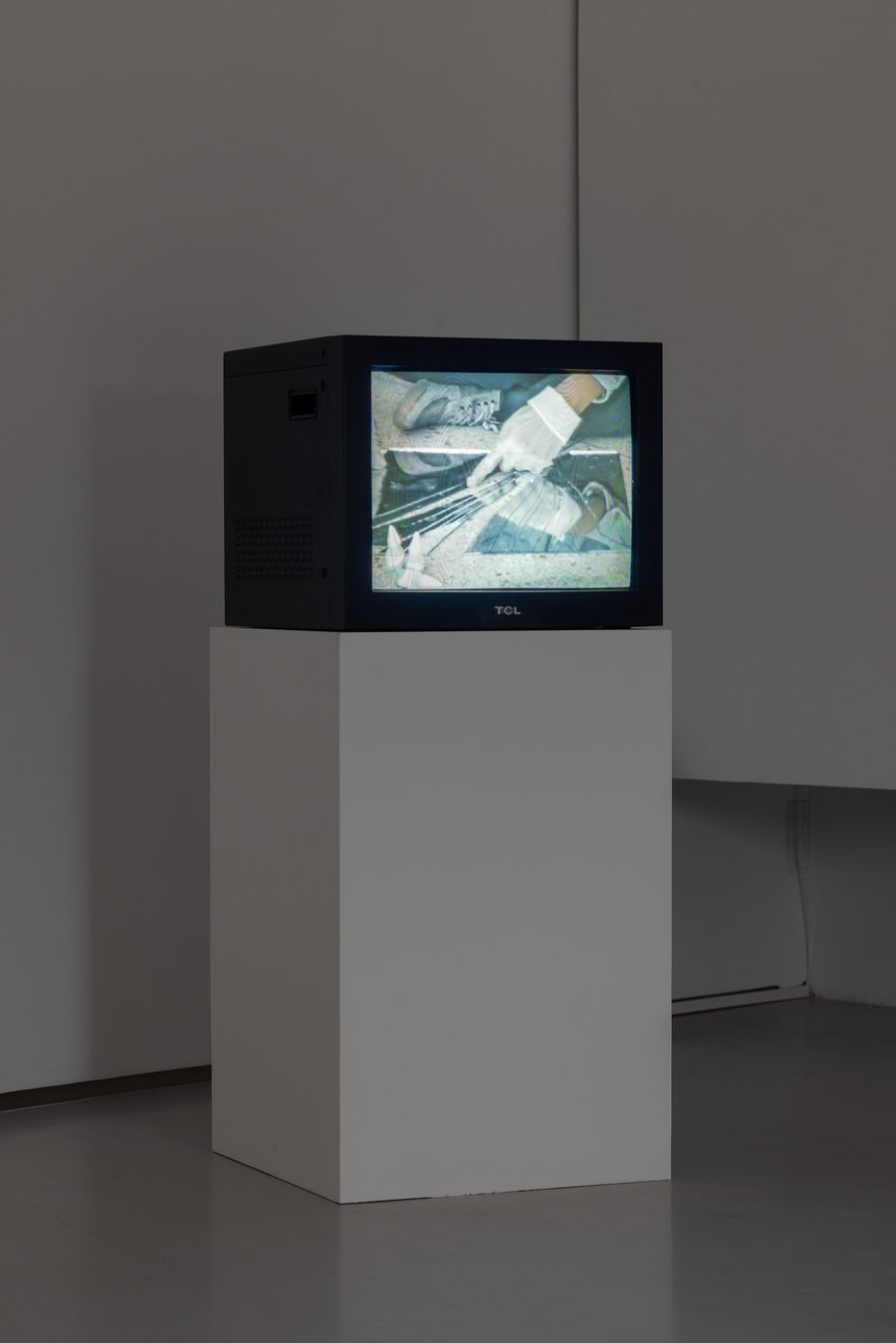
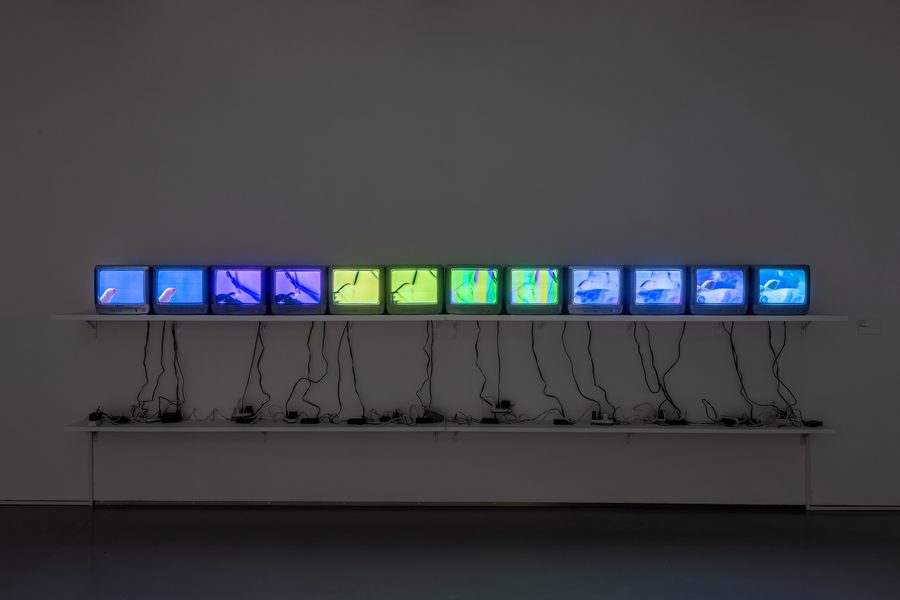
1. Zhang Peili — 张培力 (b. 1957, Hangzhou)
Graduate: Zhejiang Academy of Fine Arts (now China Academy of Art), 1984
The father of Chinese video: in 1988 he made «30×30», a three-hour recording of a mirror being smashed, which is called the first Chinese video art.
- «30×30» (1988)— three hours of continuous recording: the artist smashes a mirror and glues the shards back together.
- “Hygiene” / “Keep It Up” (1990s) — a video about repetitive domestic routines.
- “Polyclinic” (2010s) — multi-screen video installations about medical routine.
2. Feng Mengbo — 冯梦波 (b. 1966, Beijing)
Graduate: Central Academy of Fine Arts (版画系), 1991
The first Chinese artist for whom the computer game became a fully fledged medium: from interactive installations to games of his own design.
- “Long March: Restart” (2008) — a platform game in which the artist retraces the route of the Red Army.
- “Q4U” (2002) — a shooter in which the author plays against himself, scanned in 3D.
- “My Private Album” (1996) — an interactive CD-ROM with a family archive.
3. Cao Fei — 曹斐 (b. 1978, Guangzhou)
Graduate: Guangzhou Academy of Fine Arts, 2001
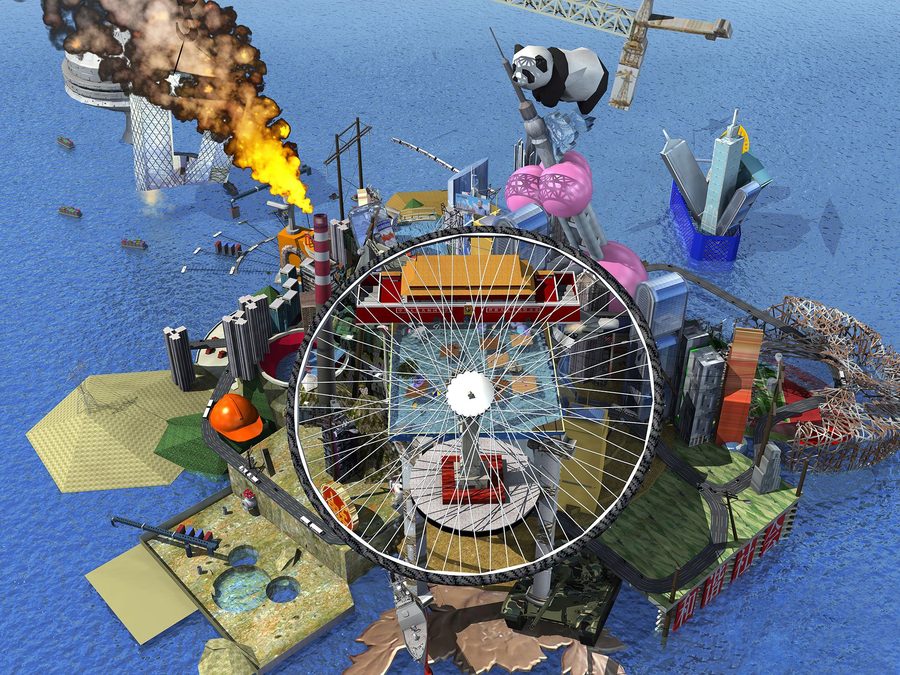
She films the digital present of China: game worlds, factory shifts, cosplay and urban subcultures.
- “RMB City” (2007–2011) — a utopian city built inside Second Life.
- “Humo” / “Whose Utopia” (2006) — a music video and game about factory youth.
- “Nova” (2019) — a game video featuring the artist's parents and veteran programmers.
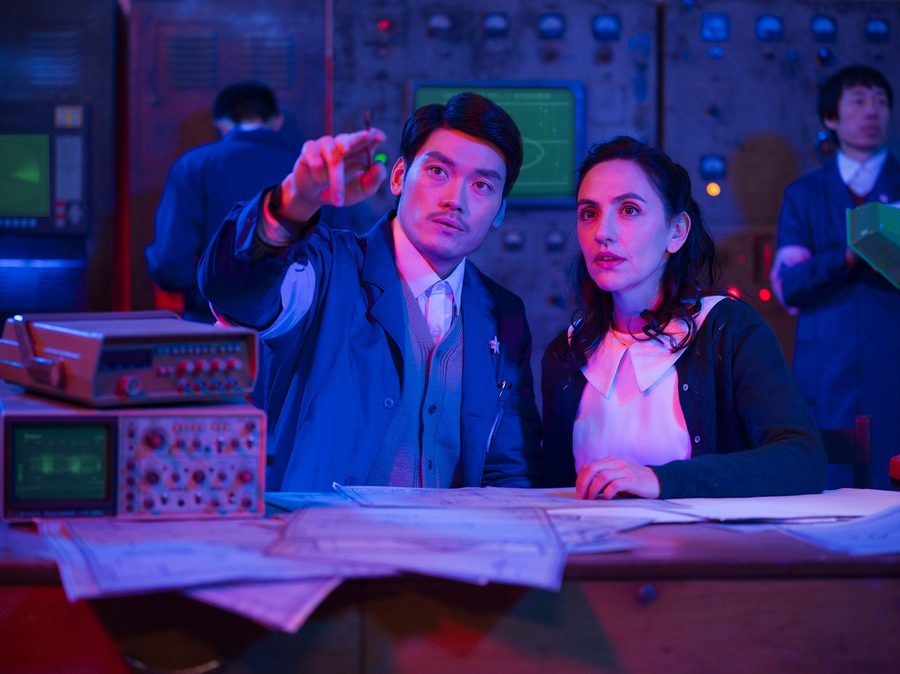
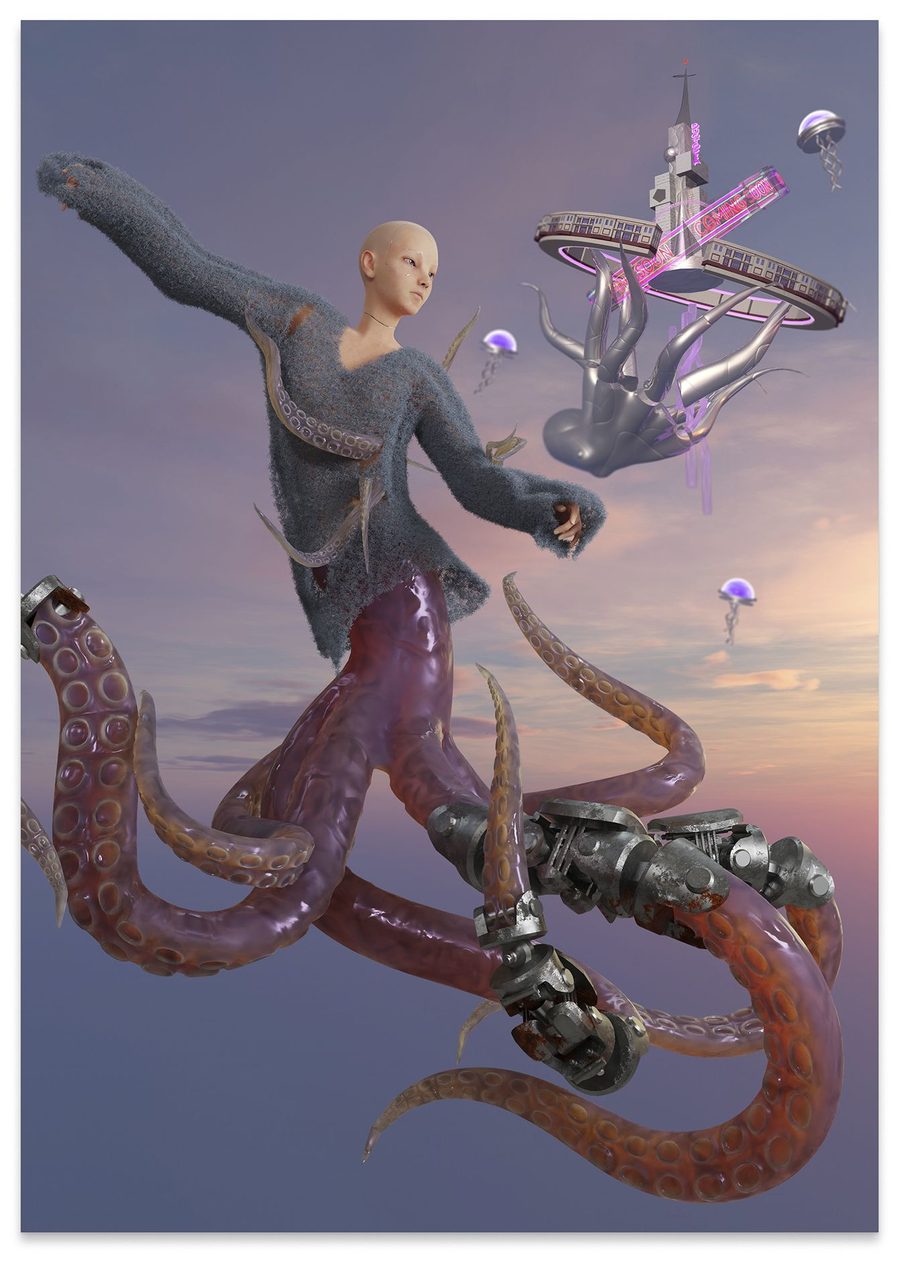
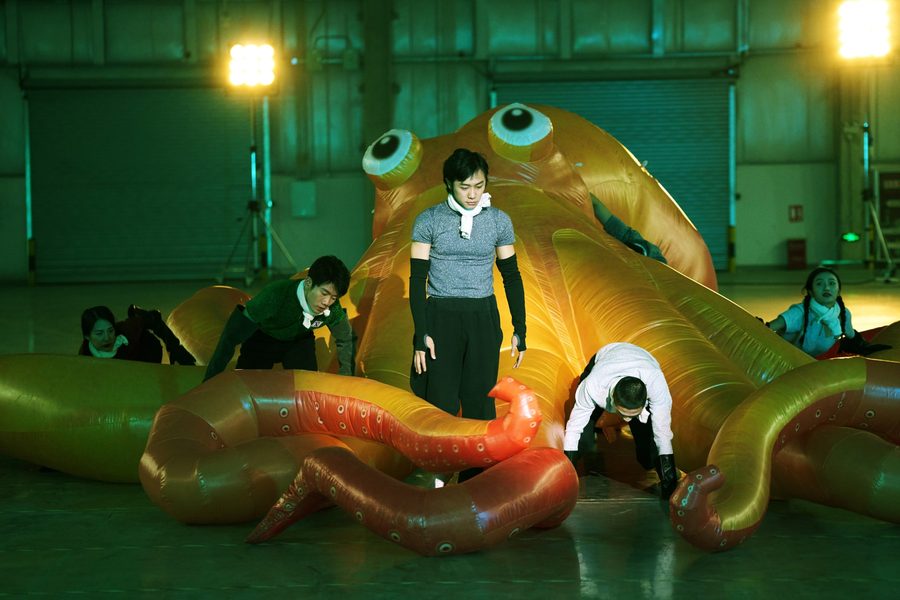
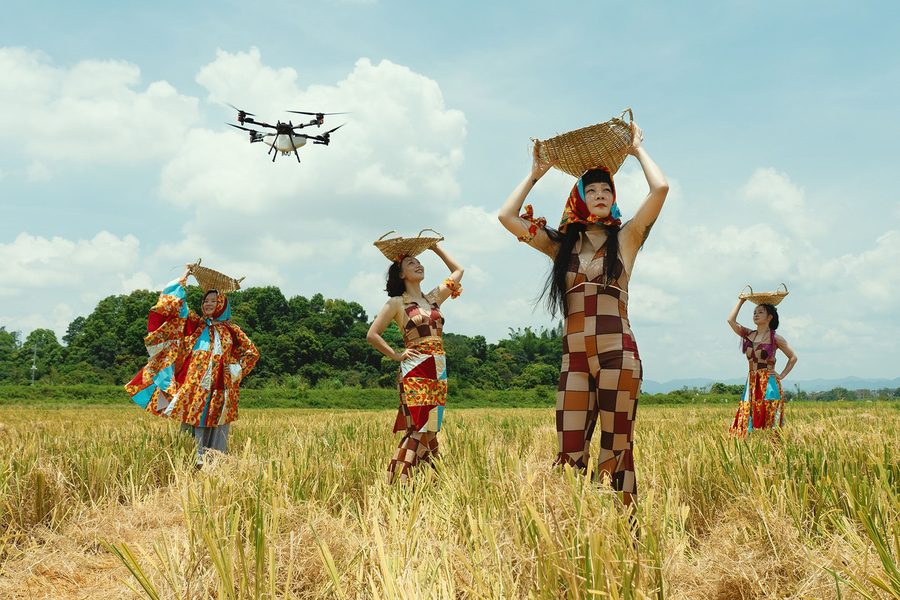
4. Lu Yang — 陆扬 (b. 1984, Shanghai)
Graduate: China Academy of Art, 2007
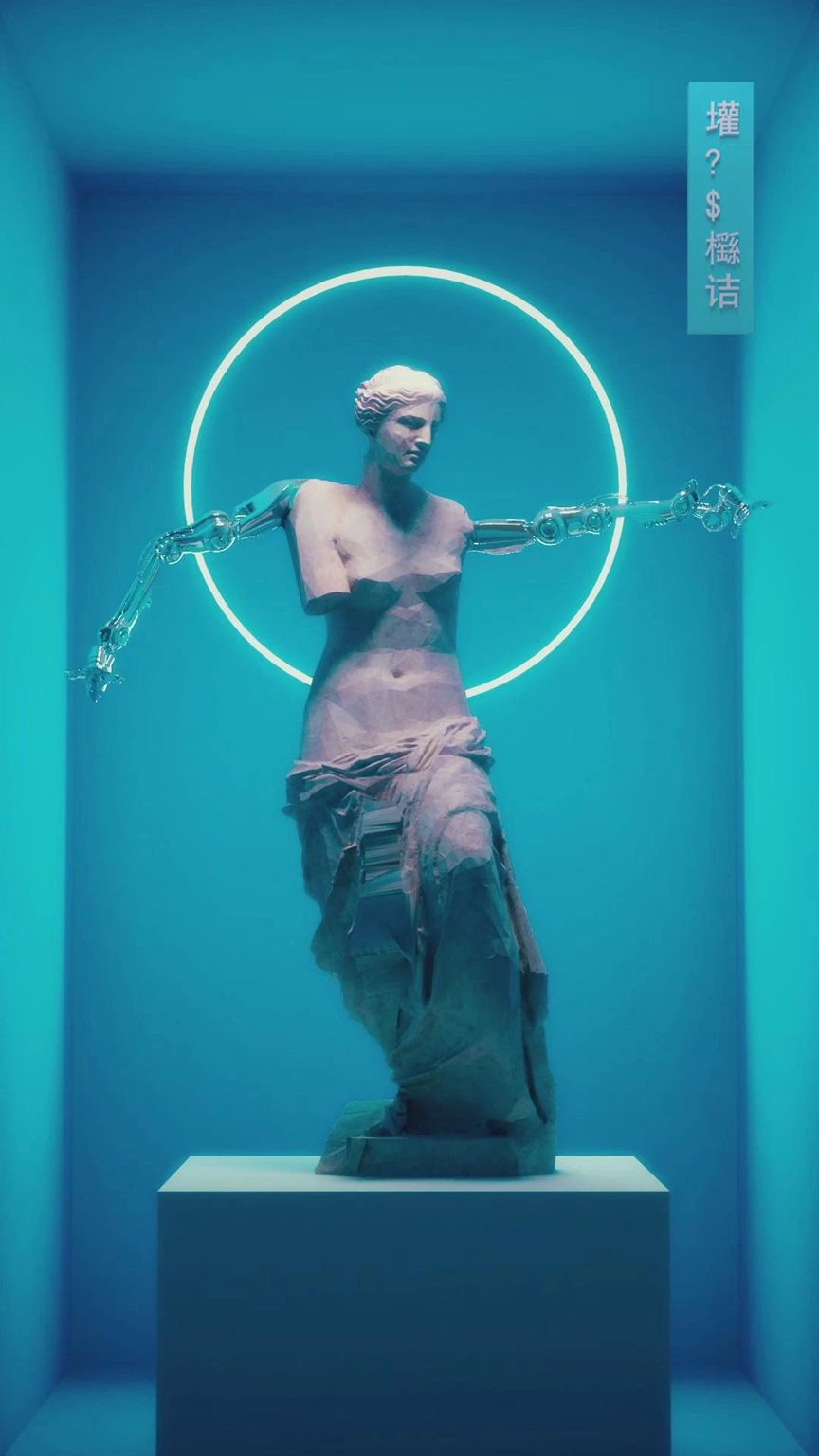
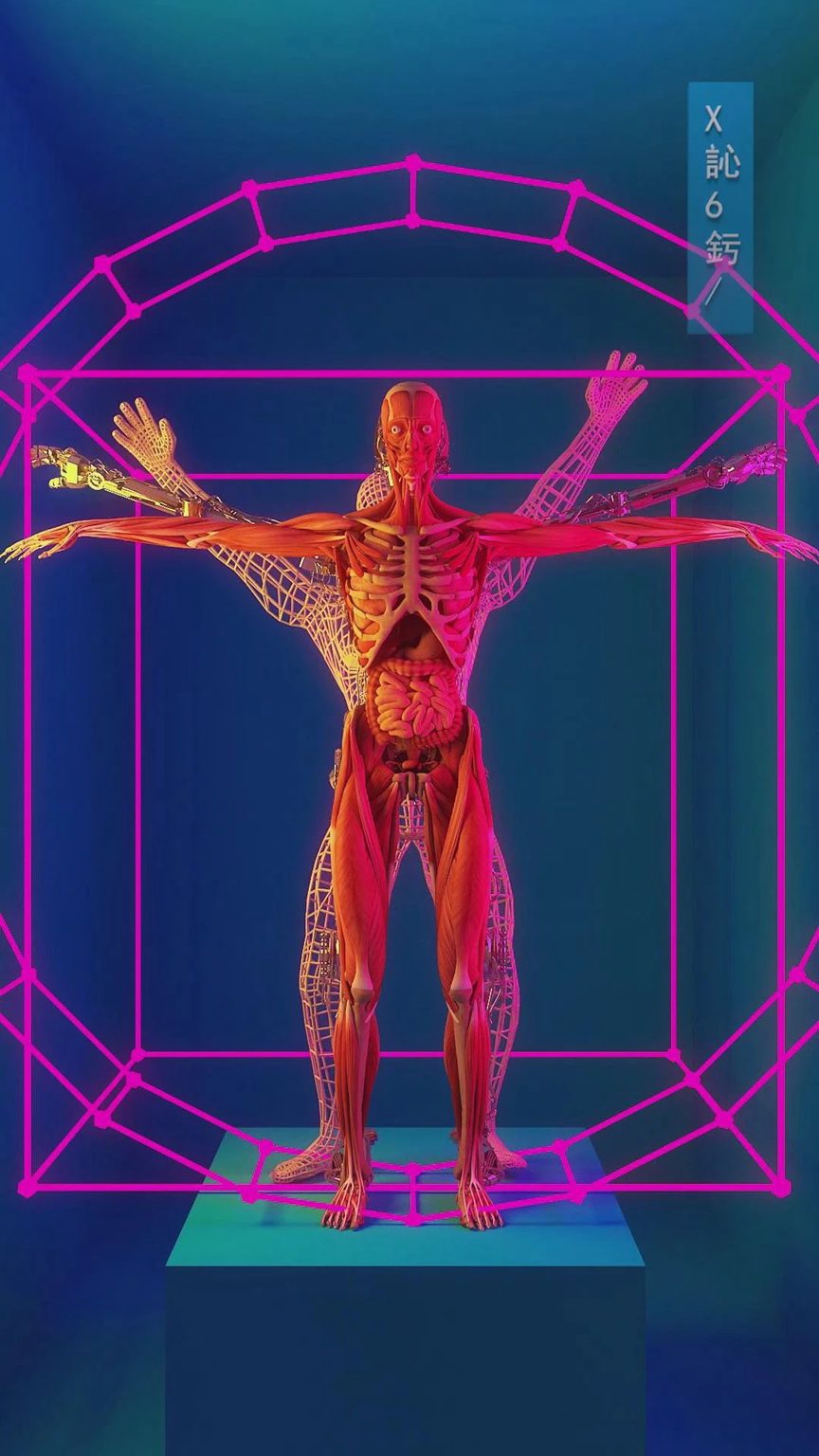
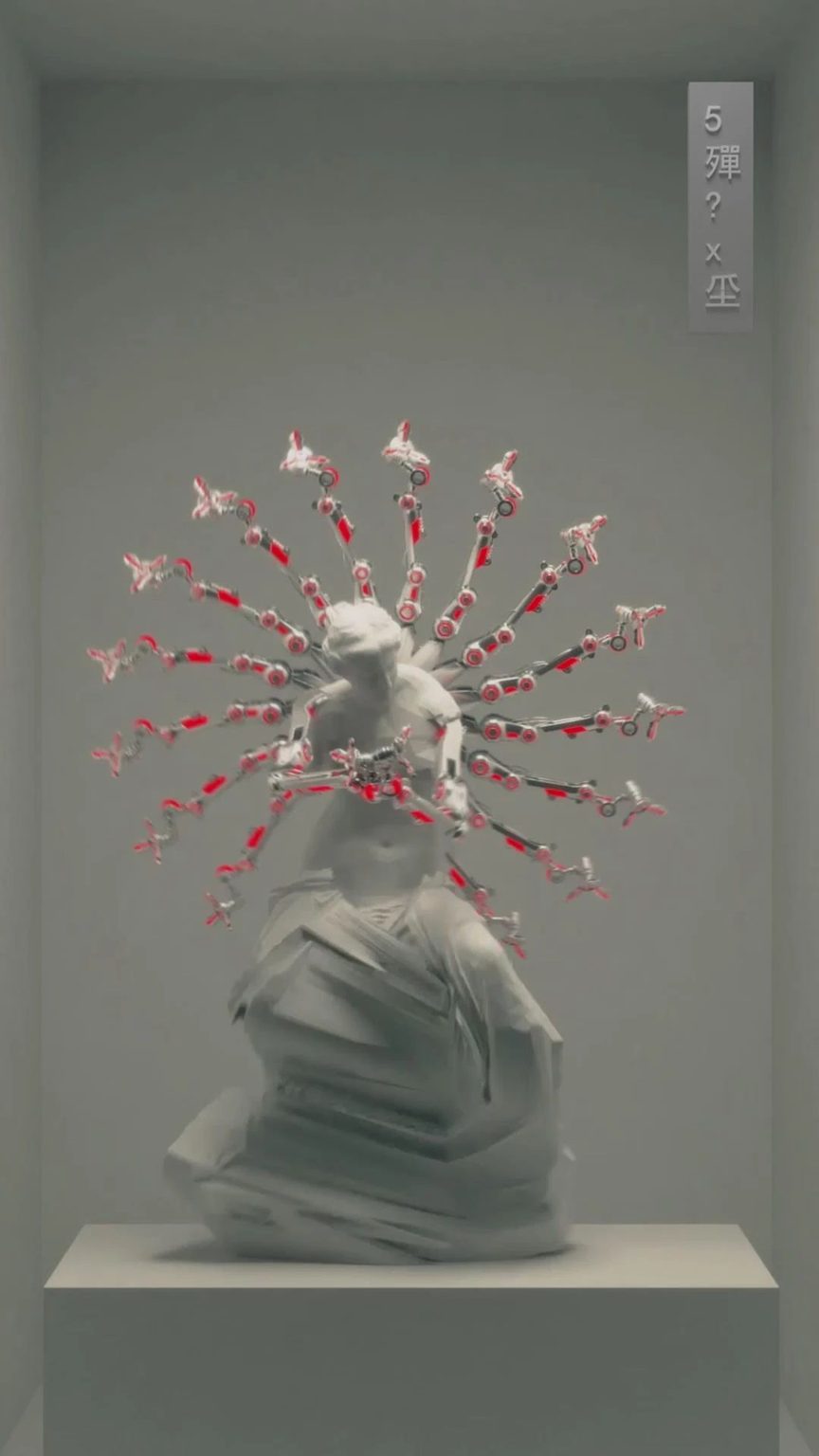
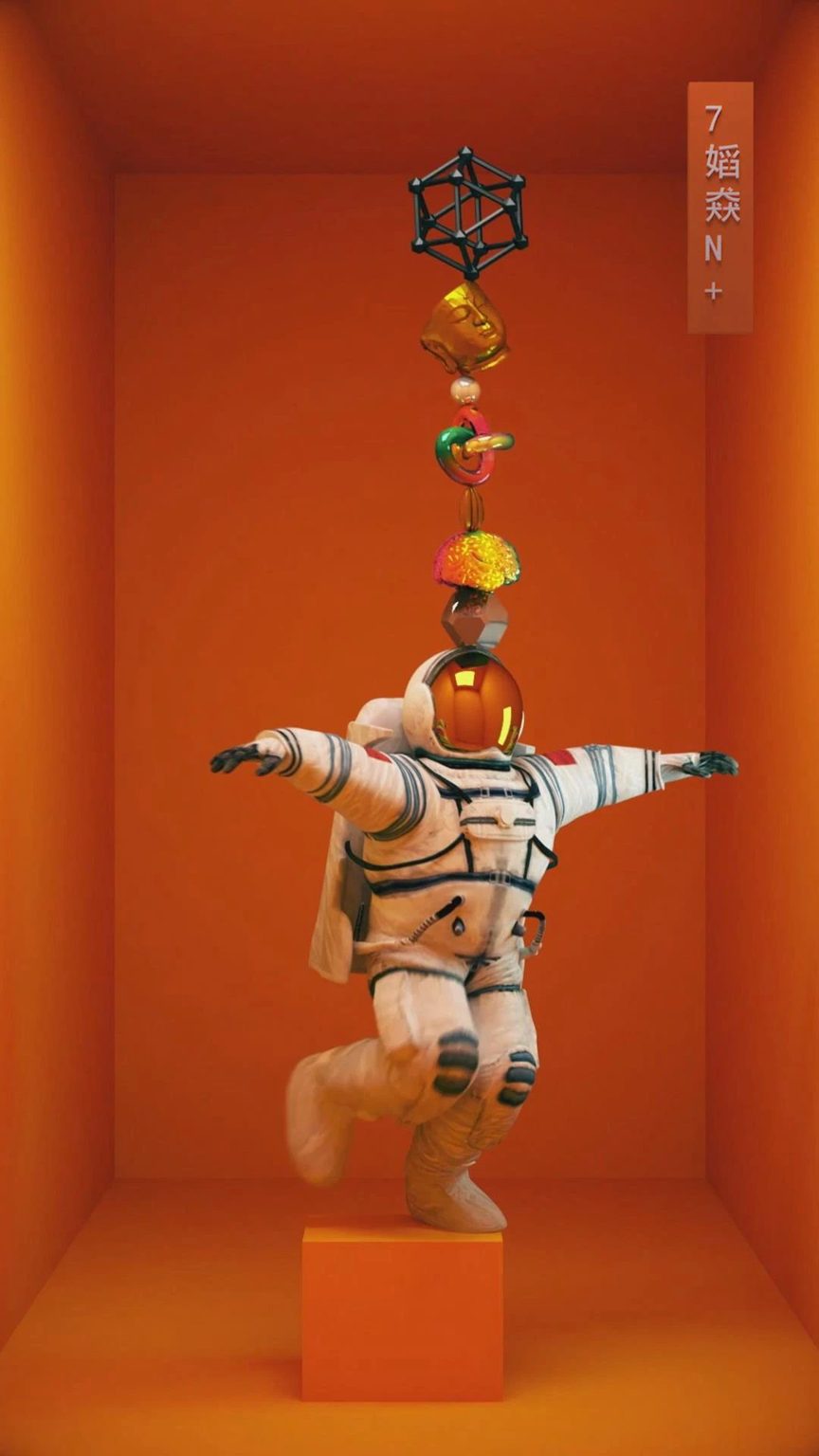
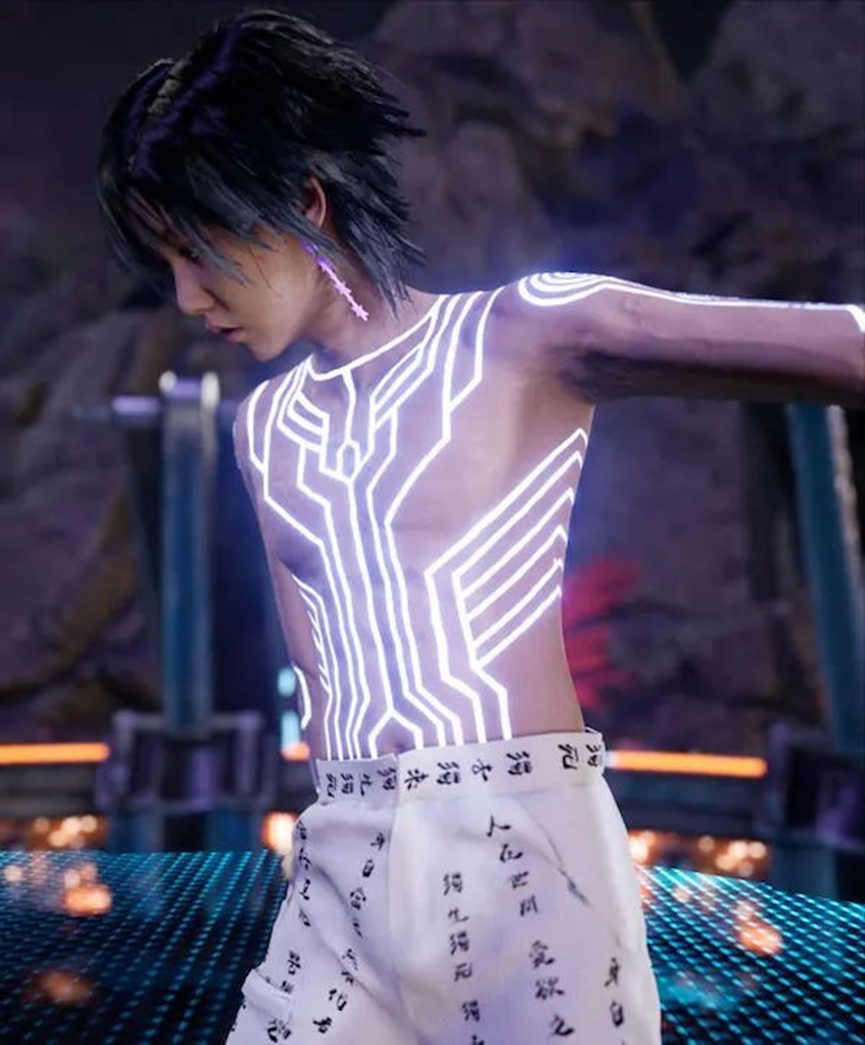
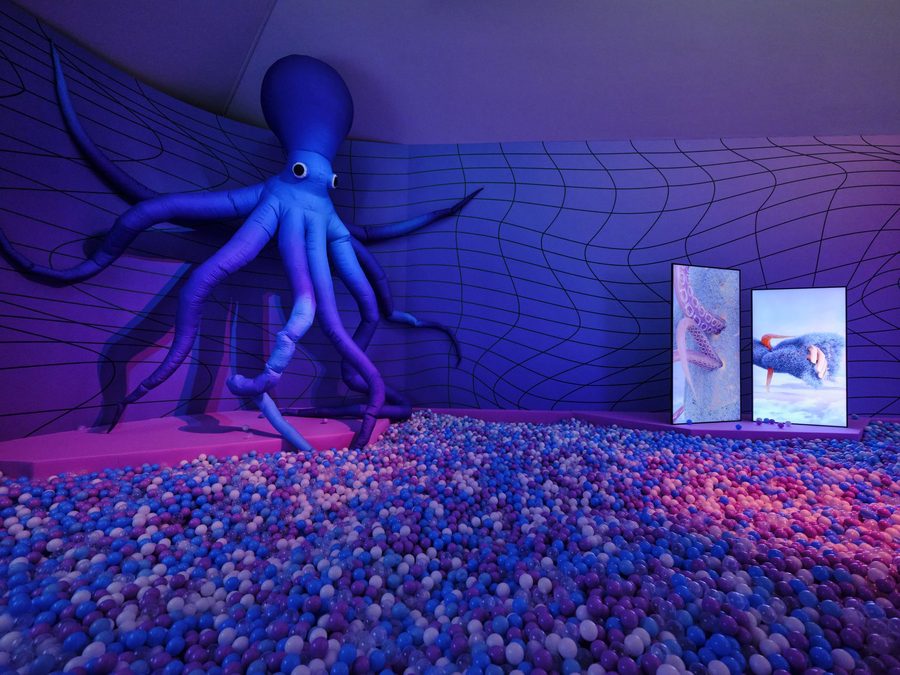
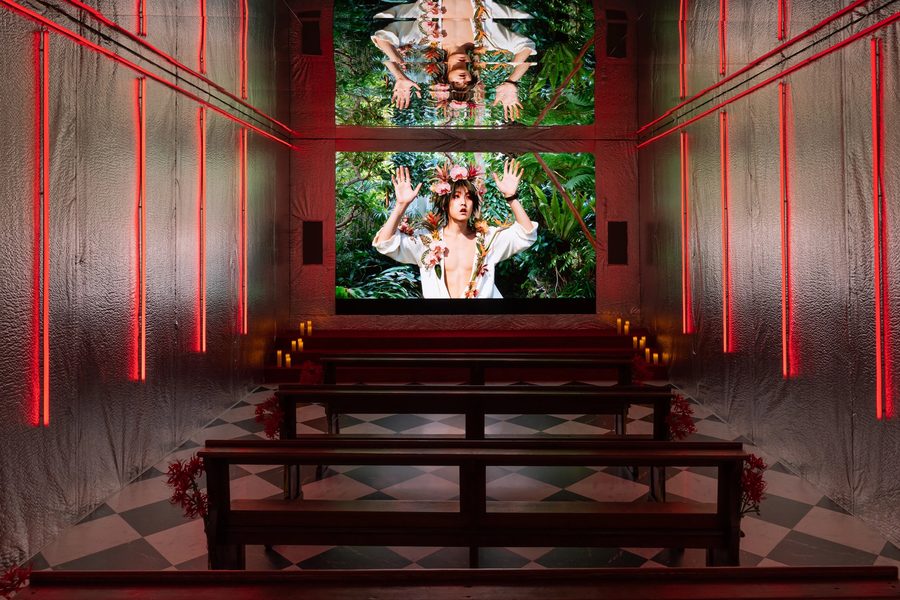
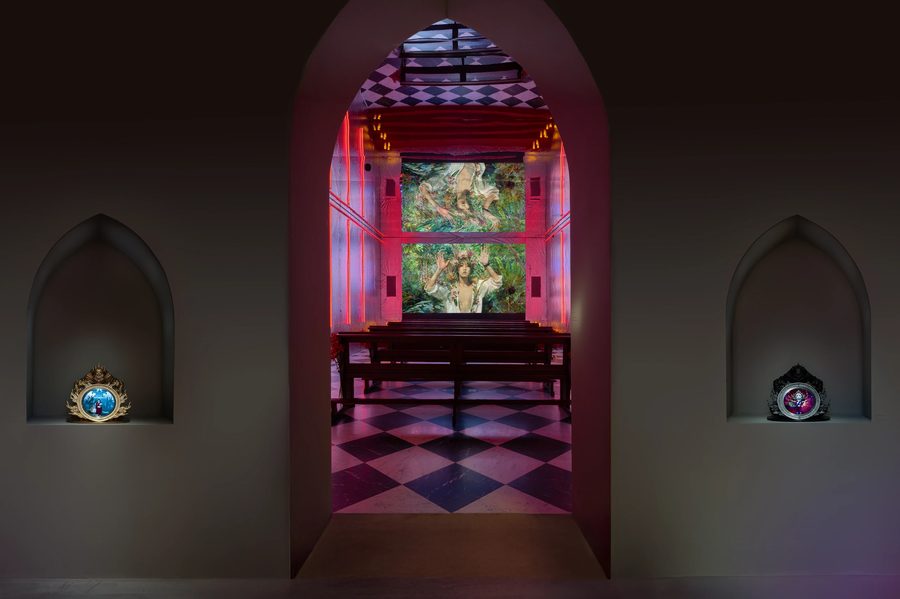
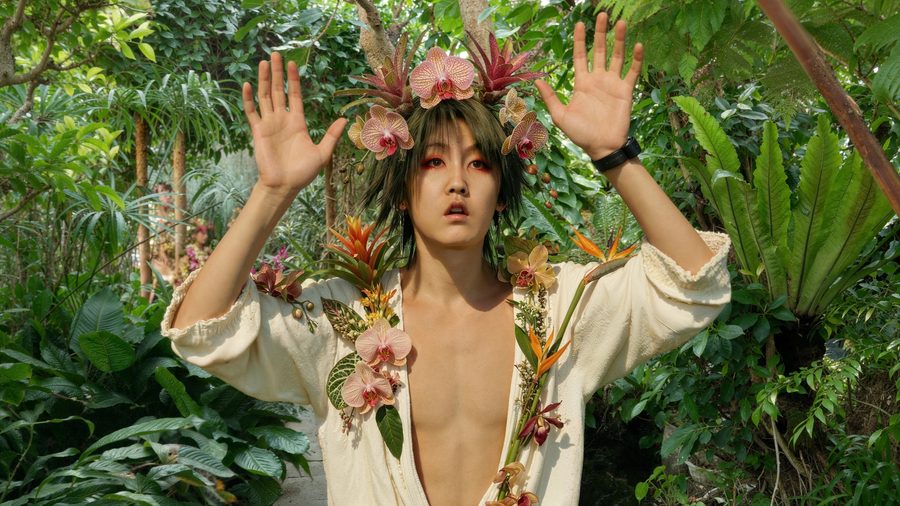
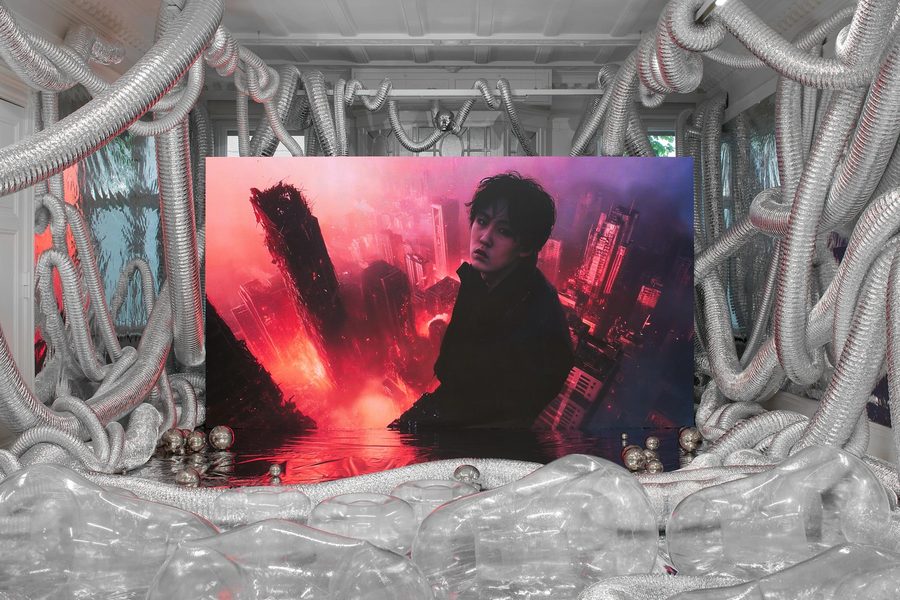
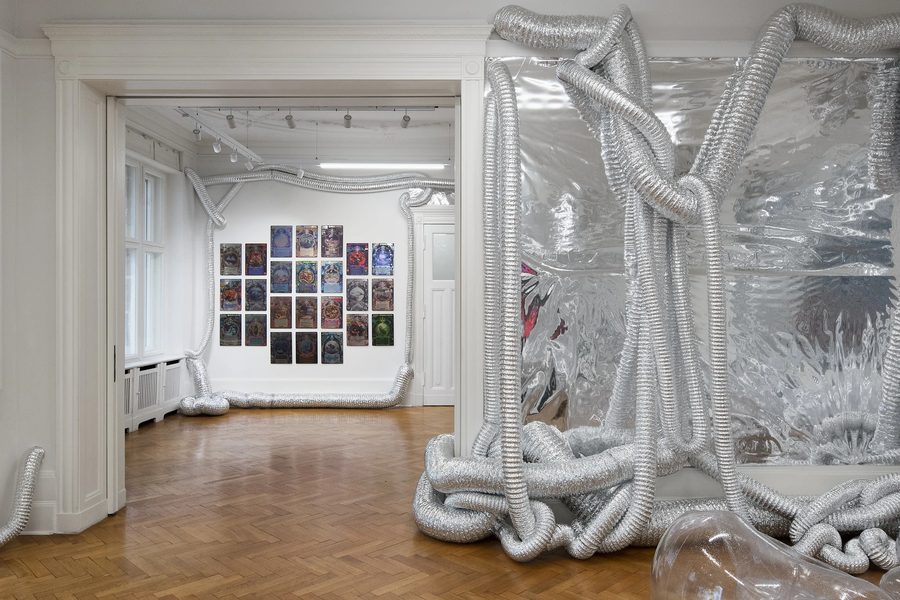
An assemblage of digital avatars, Buddhist iconography and neuroscience: virtual bodies as a way of speaking about death and consciousness.
- “DOKU” (since 2010) — a digital avatar that exists in games, video and choreography.
- “Matter of Consciousness” / “Hymn to the Fall” (2010s) — 3D video with deities and neurological motifs.
- “DELINQUENT” (2023) — a multi-screen game work about karma and punishment.
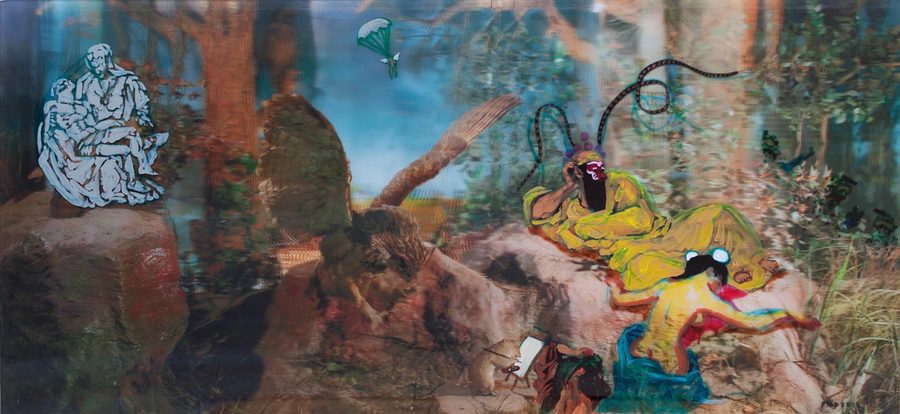
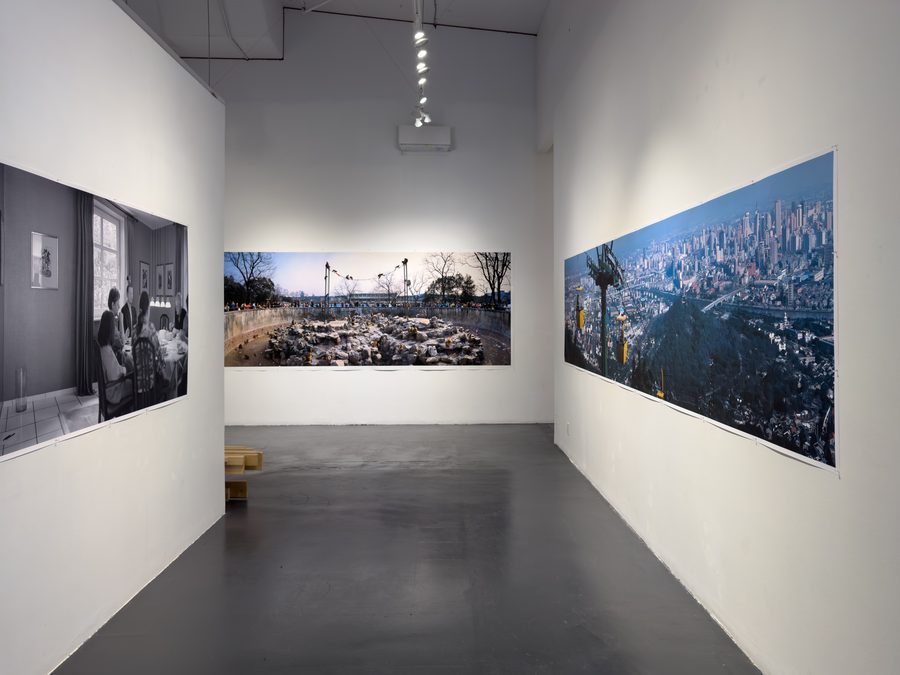
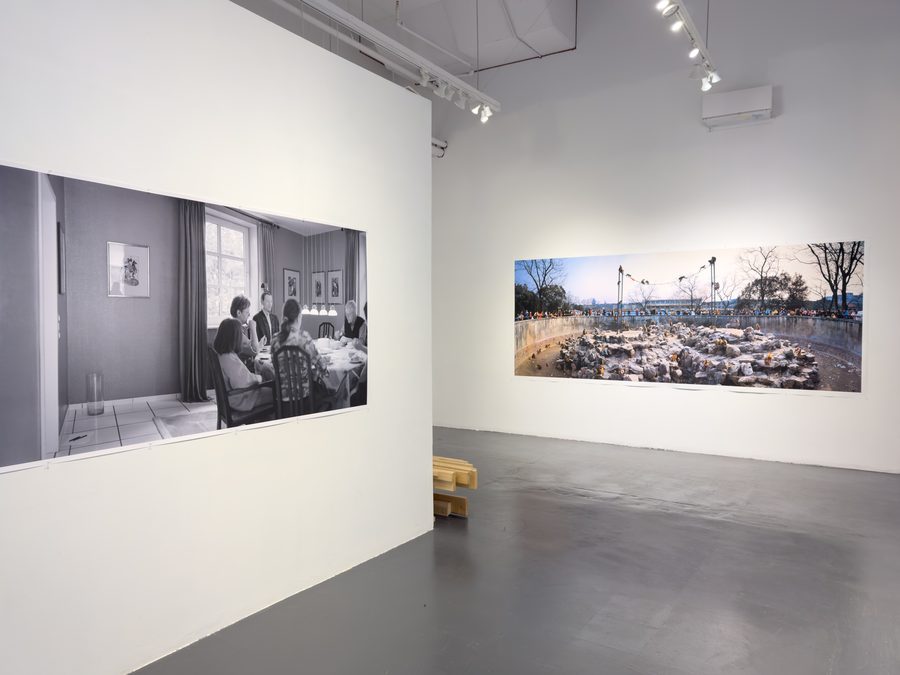
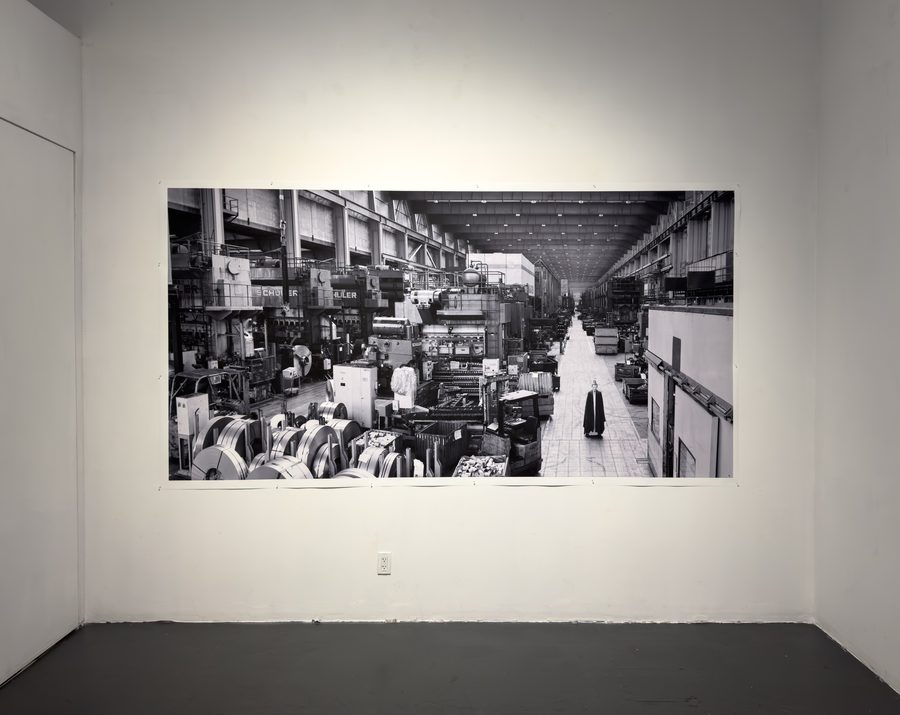
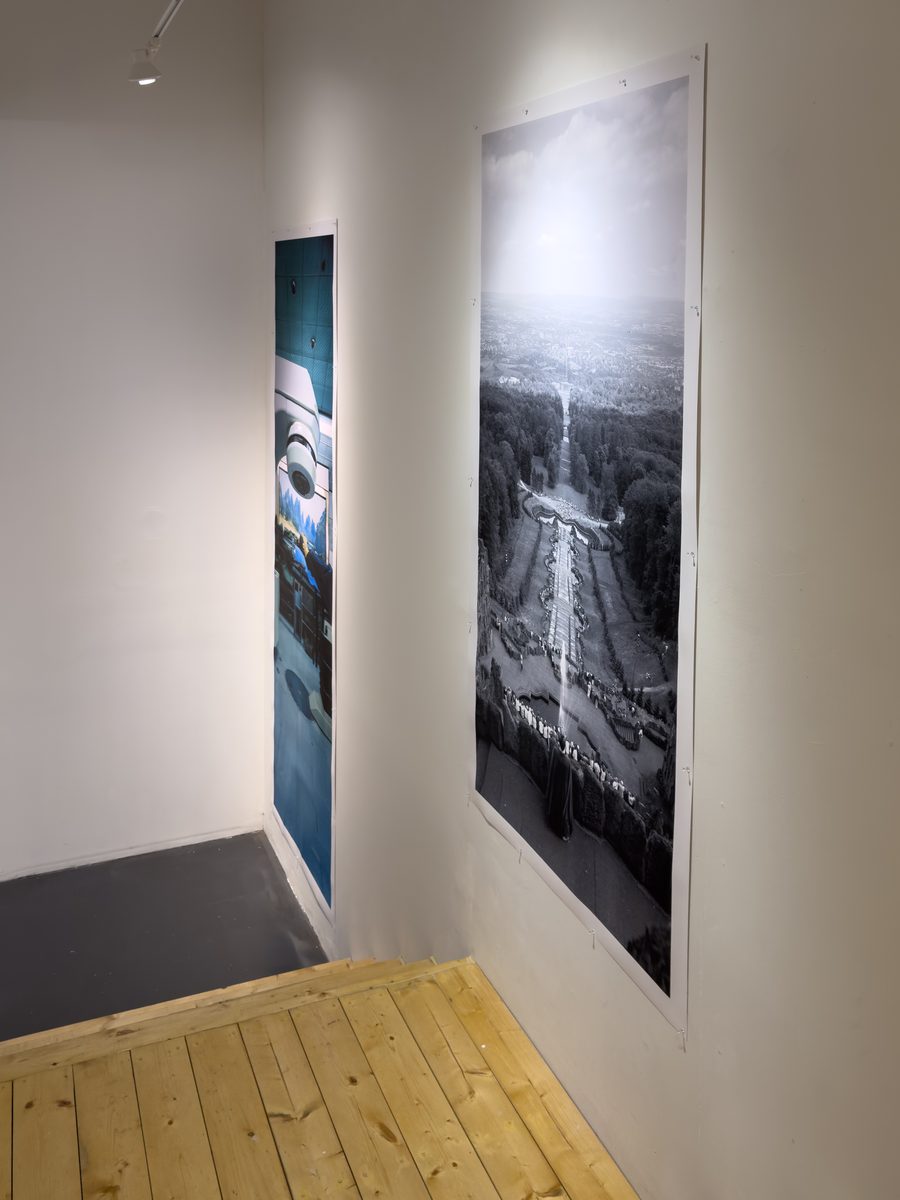
5. Miao Xiaochun — 缪晓春 (b. 1964, Wuxi (Jiangsu))
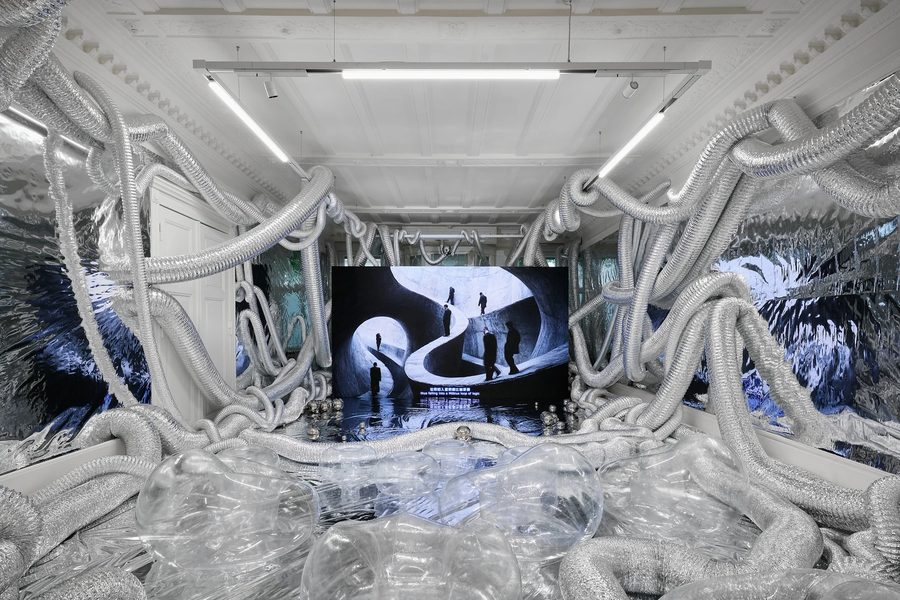
He translates classical painting into 3D modelling: “The Last Supper” and “Garden” are assembled from digital copies of the artist himself.
- “Last Judgement” (2005–2006) — a 3D reworking of the Last Judgement by Michelangelo and Leonardo.
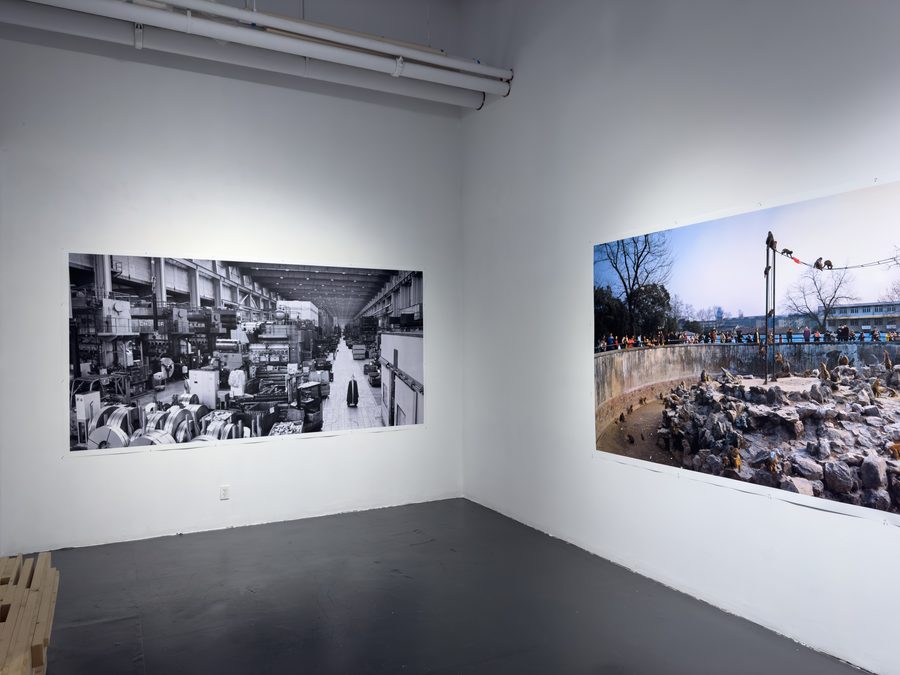
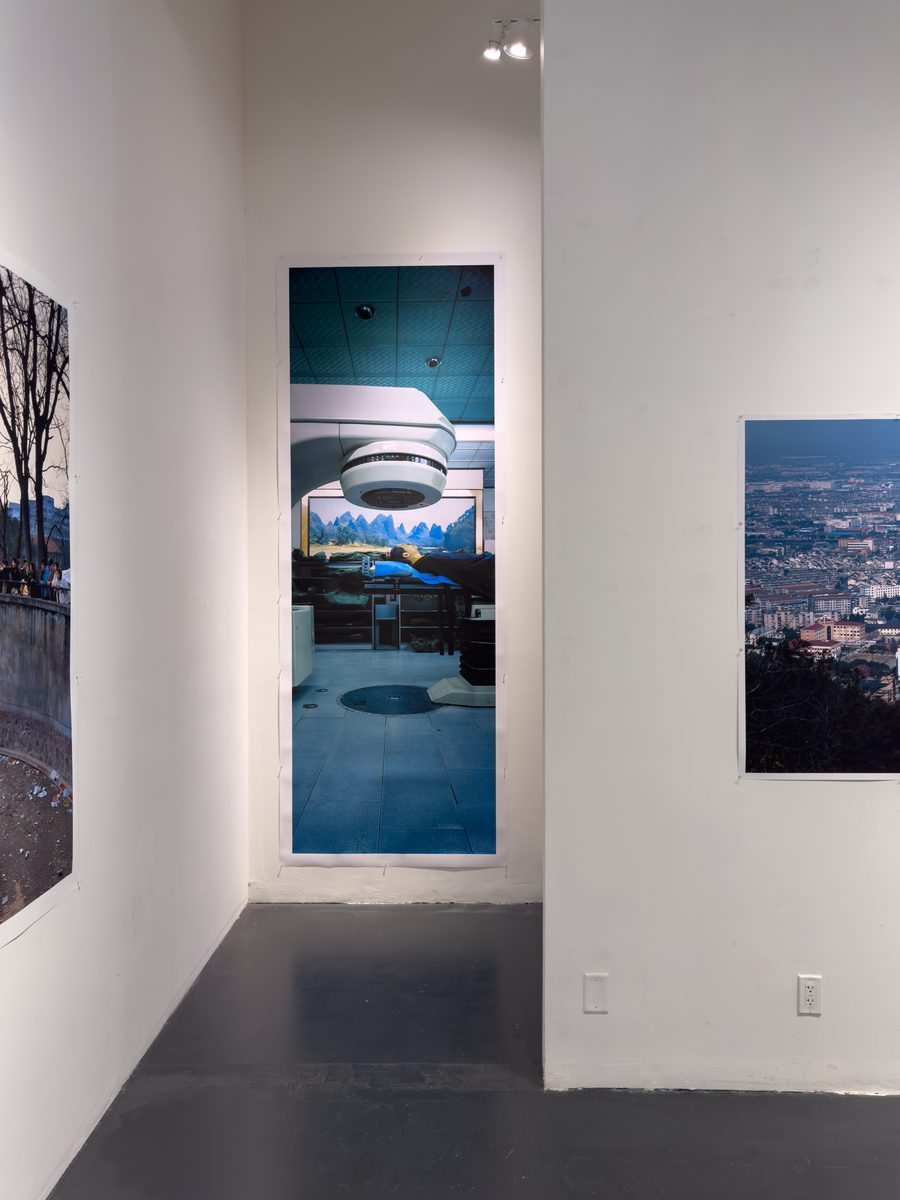
- “Microscope” / “H2O” (2000s) — panoramic photographs of contemporary architecture.
- “Garden” (2011) — an animation after the “Garden with Pomegranates” from the Qianlong palace.
6. Qiu Anxiong — 邱黯雄 (b. 1972, Guangyuan (Sichuan))
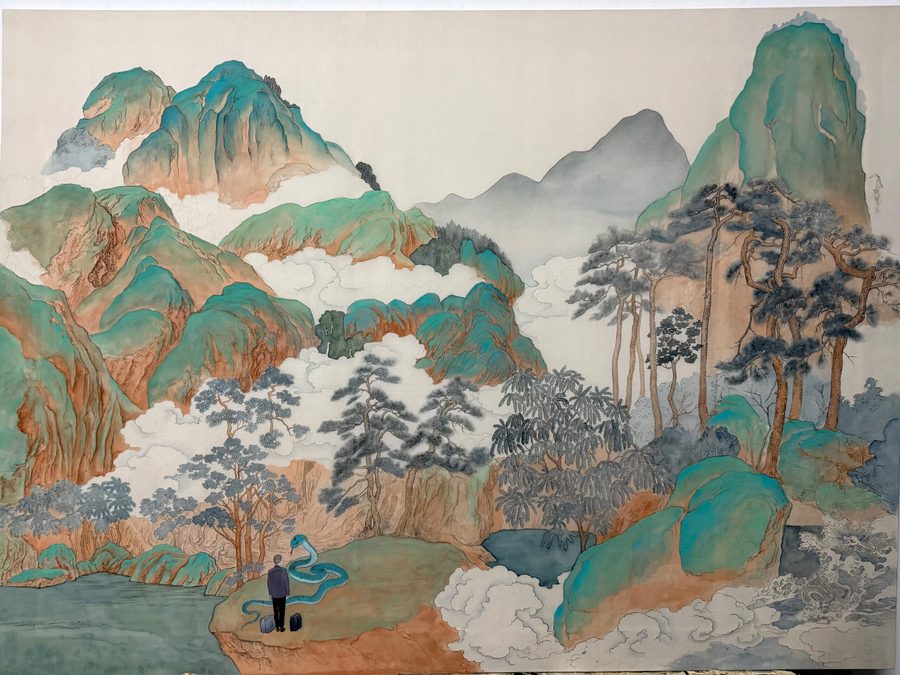
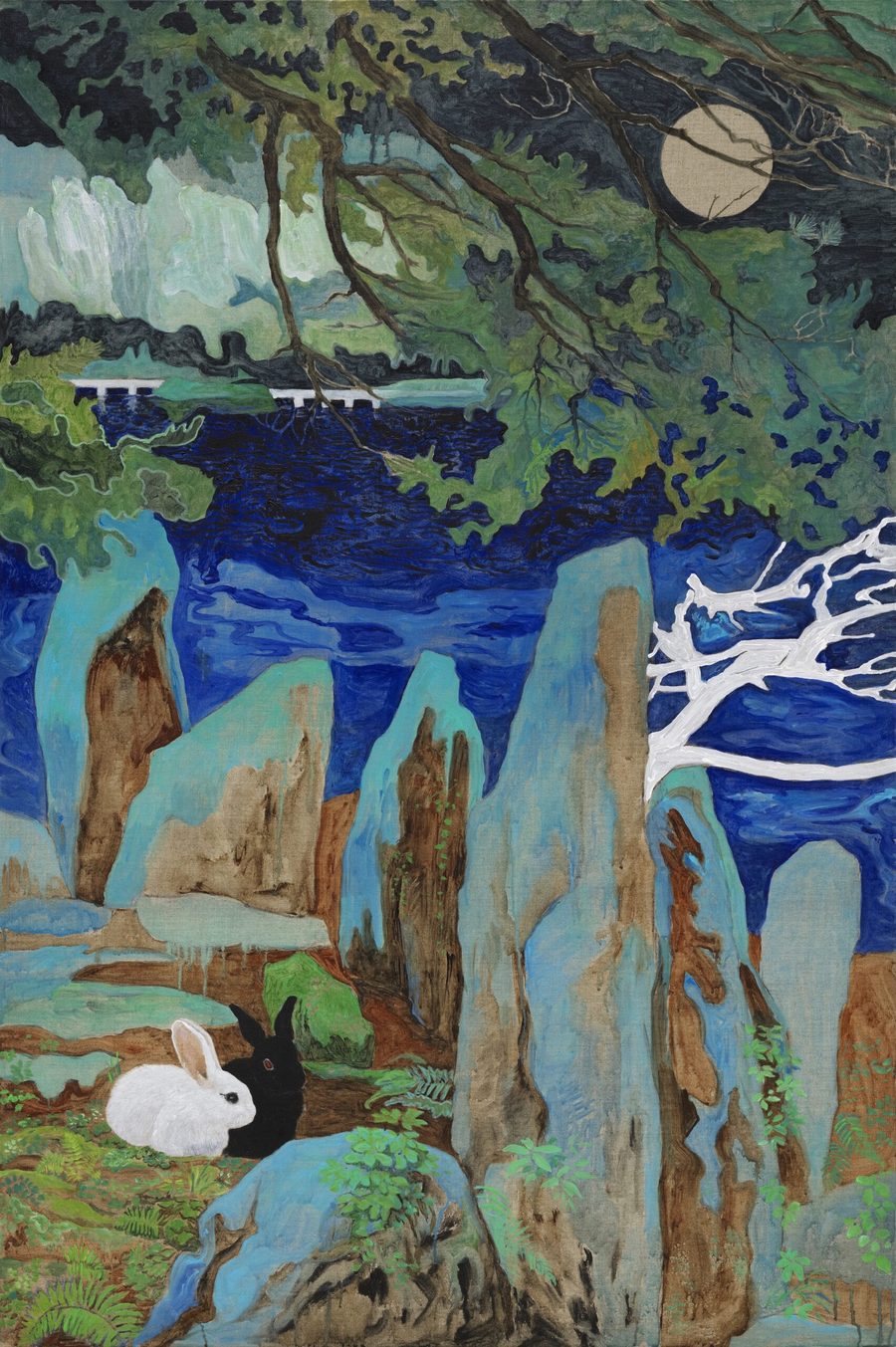
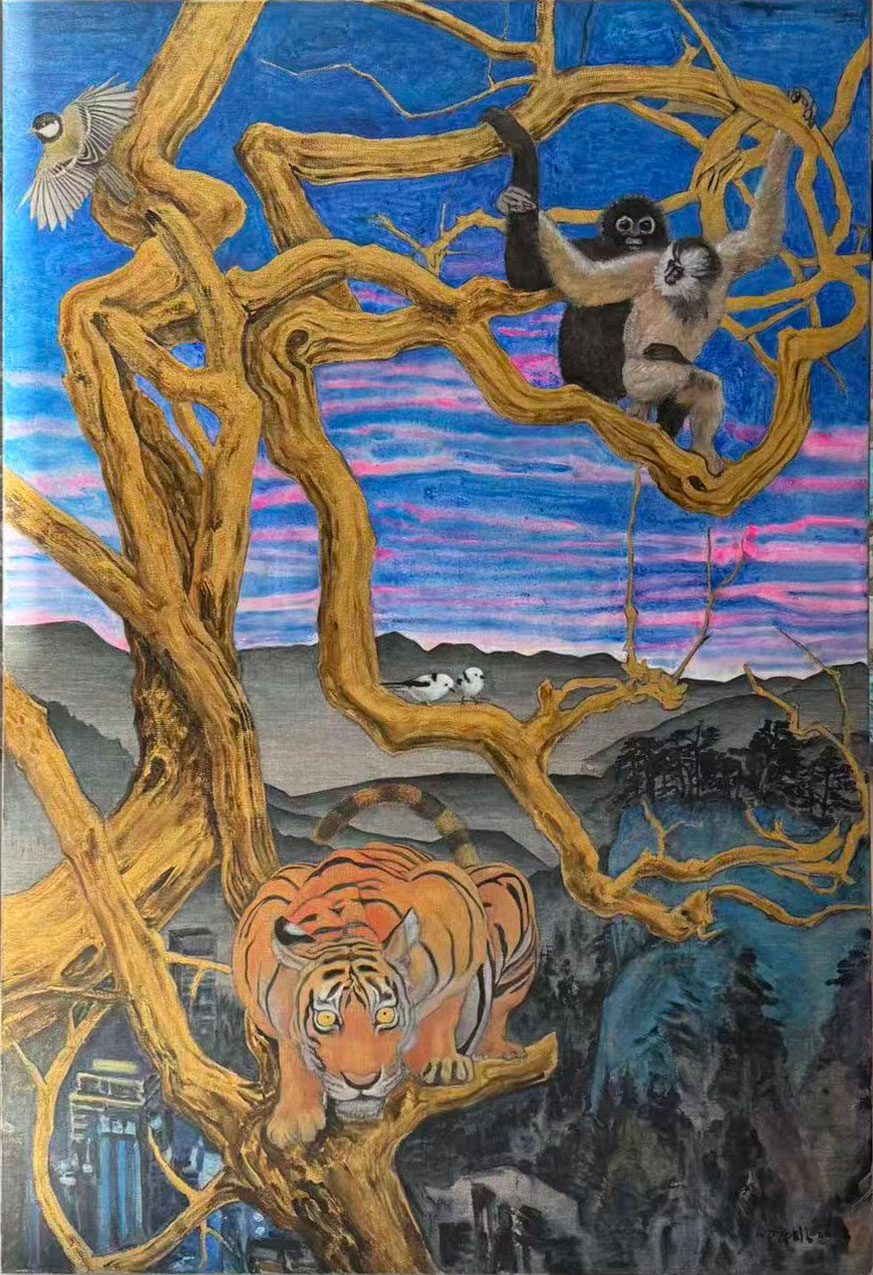
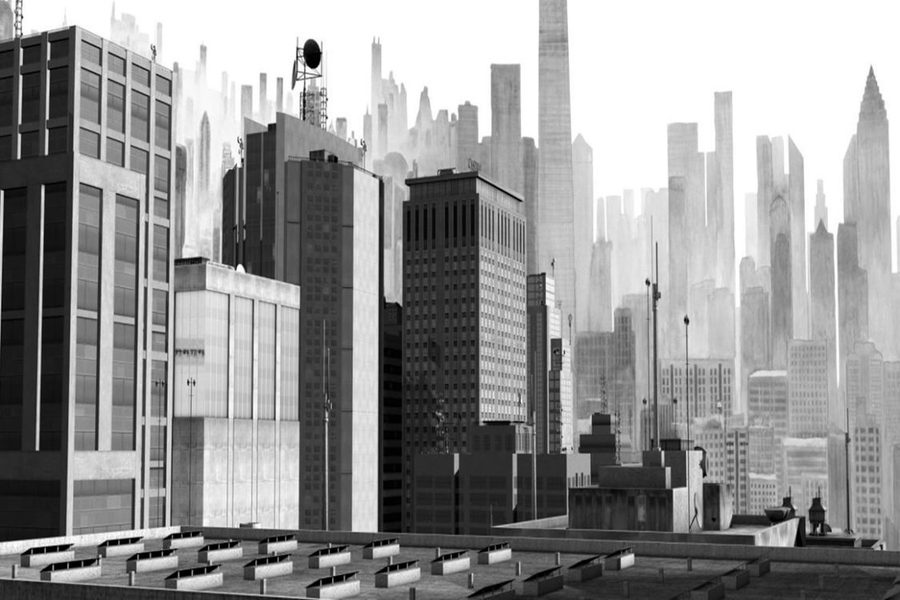
Author of “New Classic of Mountains and Seas” — ink-wash animations in which an ancient treatise becomes a lens on contemporary politics and technology.
- “New Classic of Mountains and Seas” (新山海经, since 2006) — a cycle of ink-wash animations after the “Classic of Mountains and Seas”.
- “Dream” / “Fairy Tale” (2010s) — animation about the city and oblivion.
- Painting and objects — the same subjects in ink and installation.
7. Wang Jianwei — 汪建伟 (b. 1958, Mianyang (Sichuan))
Graduate: Zhejiang Academy of Fine Arts (now China Academy of Art), 1987
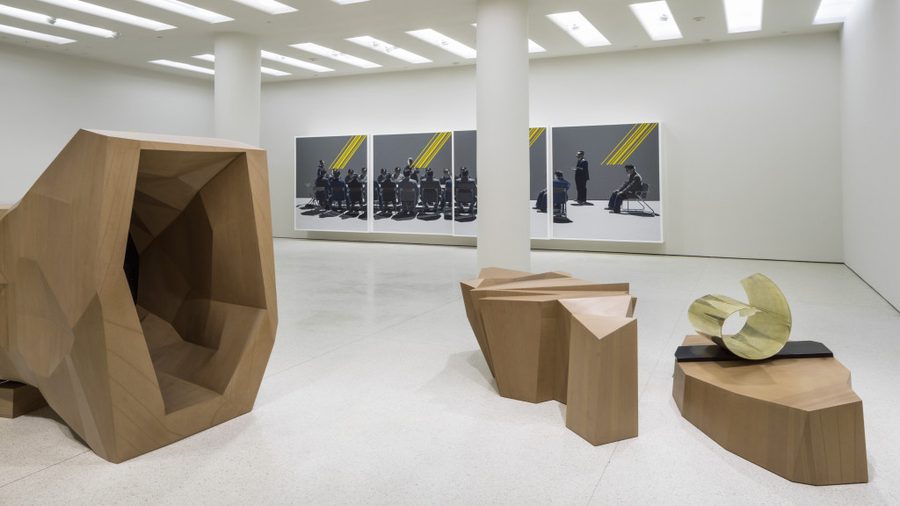
He works at the border between theatre, video and theory: complex multi-screen systems as models of social time.
- “Process” / “Production” (2000s) — video and theatre productions about systems of exchange.
- “Another Life” (1999) — a documentary video about a Beijing district.
- “Time • Border” / “黄灯” (2010s) — multi-screen video installations.
8. Yang Fudong — 杨福东 (b. 1971, Beijing)
Graduate: China Academy of Art, 1995
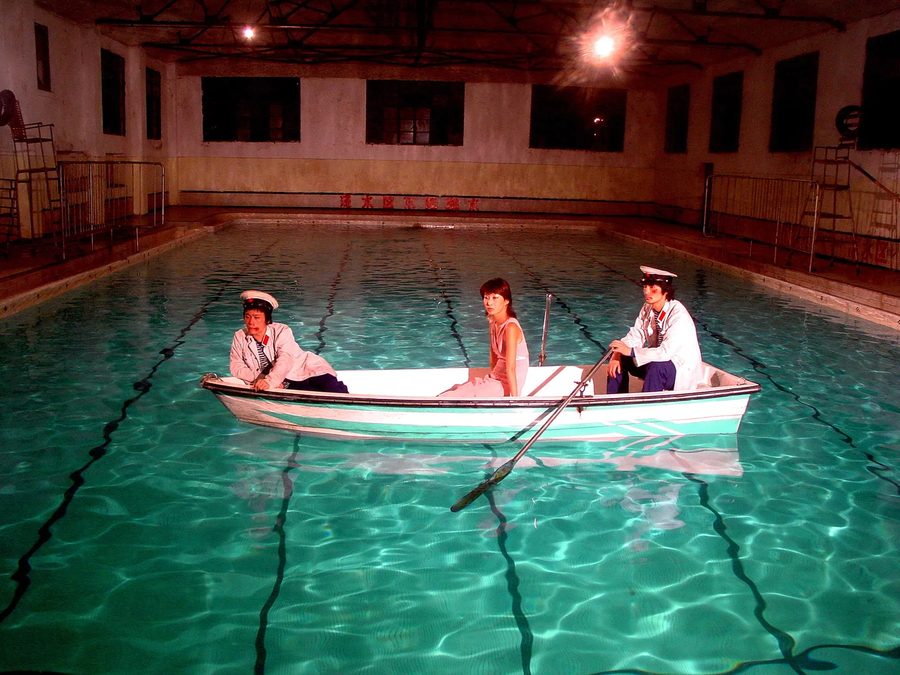
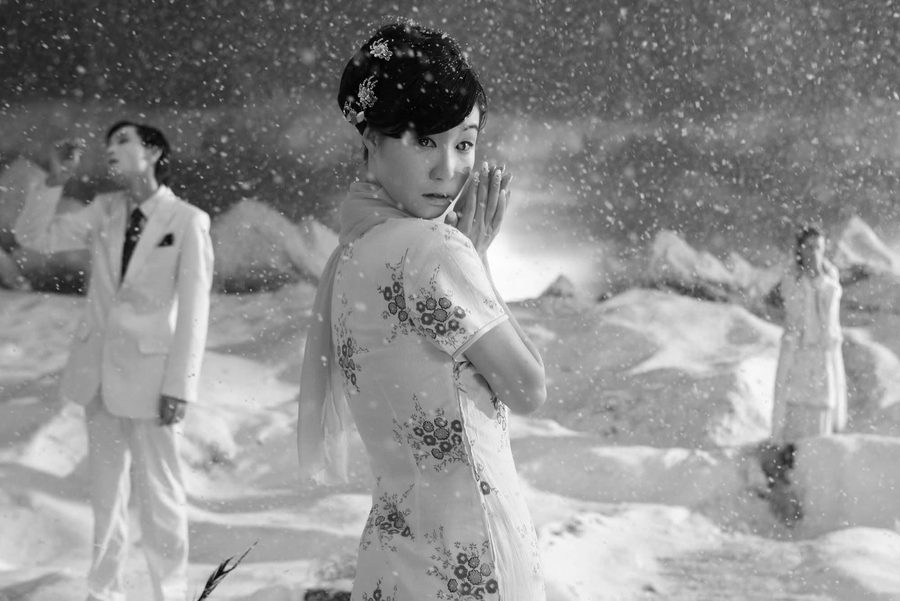
He makes films on the border with painting: black-and-white multi-screen films about young people, time and alienation.
- “Seven Intellectuals in a Bamboo Forest” (竹林七贤, 2003–2007) — a five-part epic shot over four years.
- “Evening Prayer” / “Miss Huang at Restaurant M” (2000s) — black-and-white cinematic series.
- “The First Spring Day” (2010s) — films with the scent of painting, shot on film.
9. Xu Wenkai [aaajiao] — 徐文恺 (b. 1984, Xi'an)
Artist and programmer: viruses, bots, interfaces and the anxiety of the digital observer.
- “Virus City” / virus works (2000s) — code and networked objects.
- “Cloud Library” / “File” (2010s) — installations about the storage and loss of data.
- “Anxious Bodies” (2020s) — video and objects about attention under surveillance.
10. Tian Xiaolei — 田晓磊 (b. 1982, Beijing)
Graduate: Central Academy of Fine Arts (digital media), 2007
3D animation and games: hybrid bodies, mutations and the techno-utopias of the digital generation.
- “Megastructure” / “Hybrid” series (2010s) — 3D animations with mutating figures.
- “Freedom” / “Body-Machine” — video about the fusion of body and technology.
- “The Wang Shikuo Award” (2016) — the first major institutional prize for digital art.