survey_17 — Abstraction in Chinese Art
1. Ding Yi — 丁乙 (b. 1962, Shanghai)
Crosses and grids: a single form, painted for forty years.
- “Crosses” (since the mid-1980s) — canvases built entirely from two short cross-like strokes.
- One form, different colour — from black-and-white and ochre works to the fluorescent 2000s.
- Education — Shanghai Institute of Arts and Crafts (1983), Arts Department, Shanghai University (1990).
Sources: ShangART · Long Museum
2. Meng Luding — 孟禄丁 (b. 1962, Baoding (Hebei))
Abstraction as the language of the body: circle, gesture and the trace of movement.
- “Circle” and the “Desire” series — signs reduced to a single geometry.
- The imprint method — paint applied with the body, not only with a brush.
- Education — Painting Department, Central Academy of Fine Arts.
Sources: CAFA · Dangrove Collection
3. Wang Guangle — 王光乐 (b. 1976, Fujian)
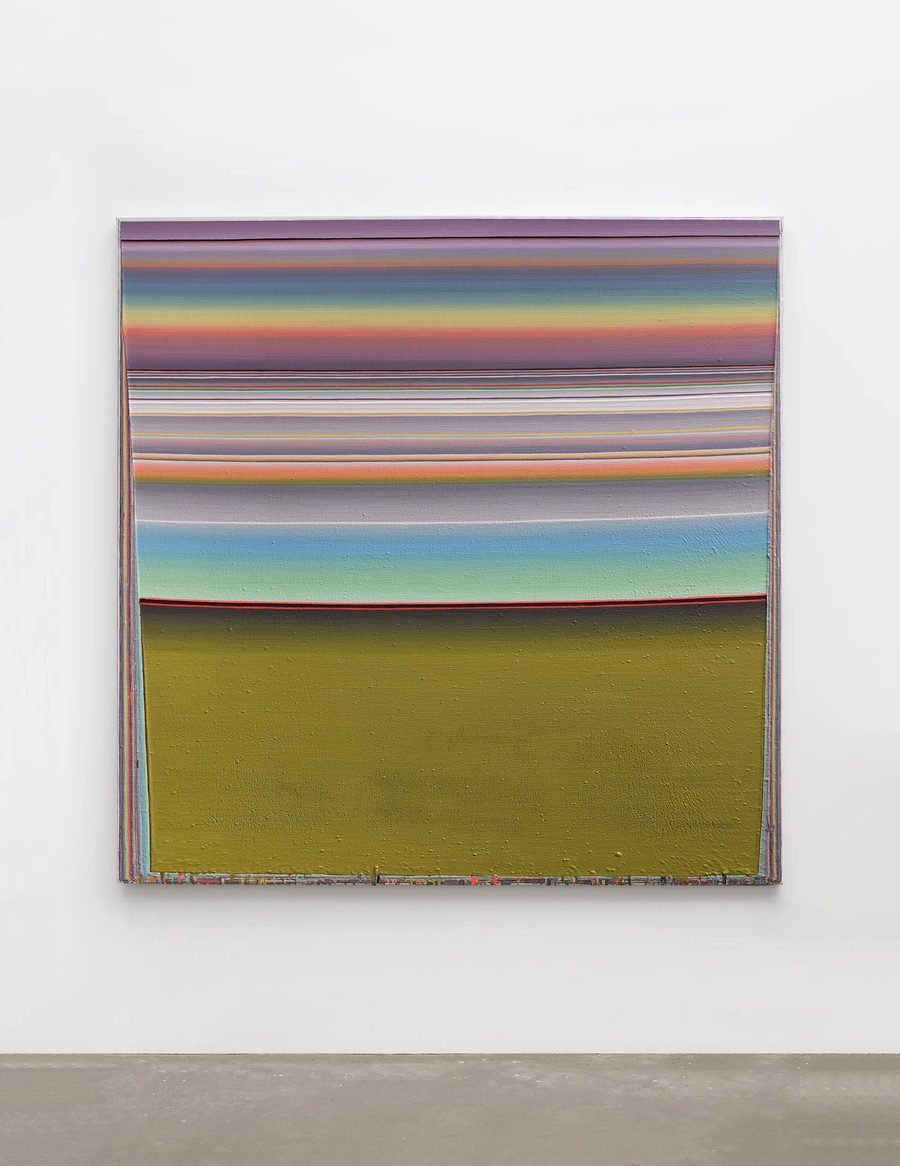
Layer upon layer: painting as the counting of time.
- “Coffin Paint” (寿漆) — a method borrowed from the custom of coating a coffin with layers of lacquer: the painting is made over years.
- Impasto as a calendar — each layer equals the interval of time that has passed.
- Lives and works in Beijing — a practice within the modern urban environment.
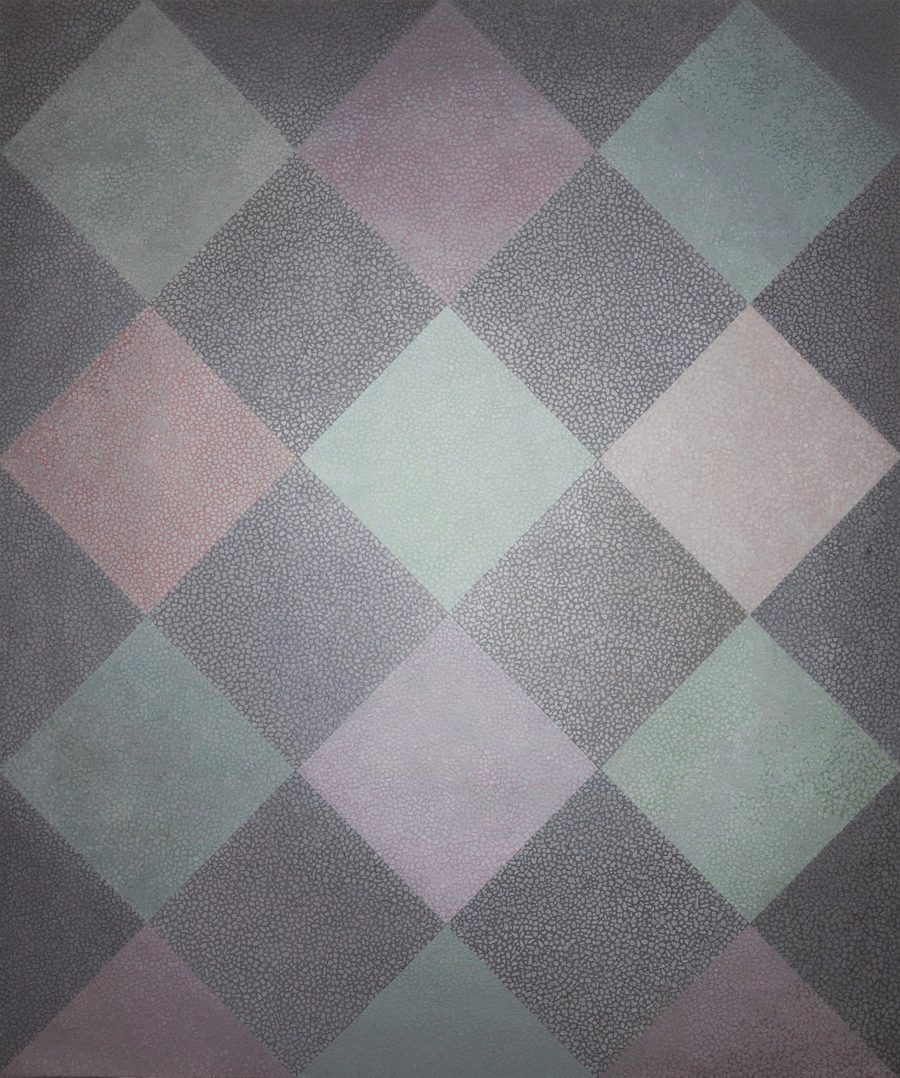
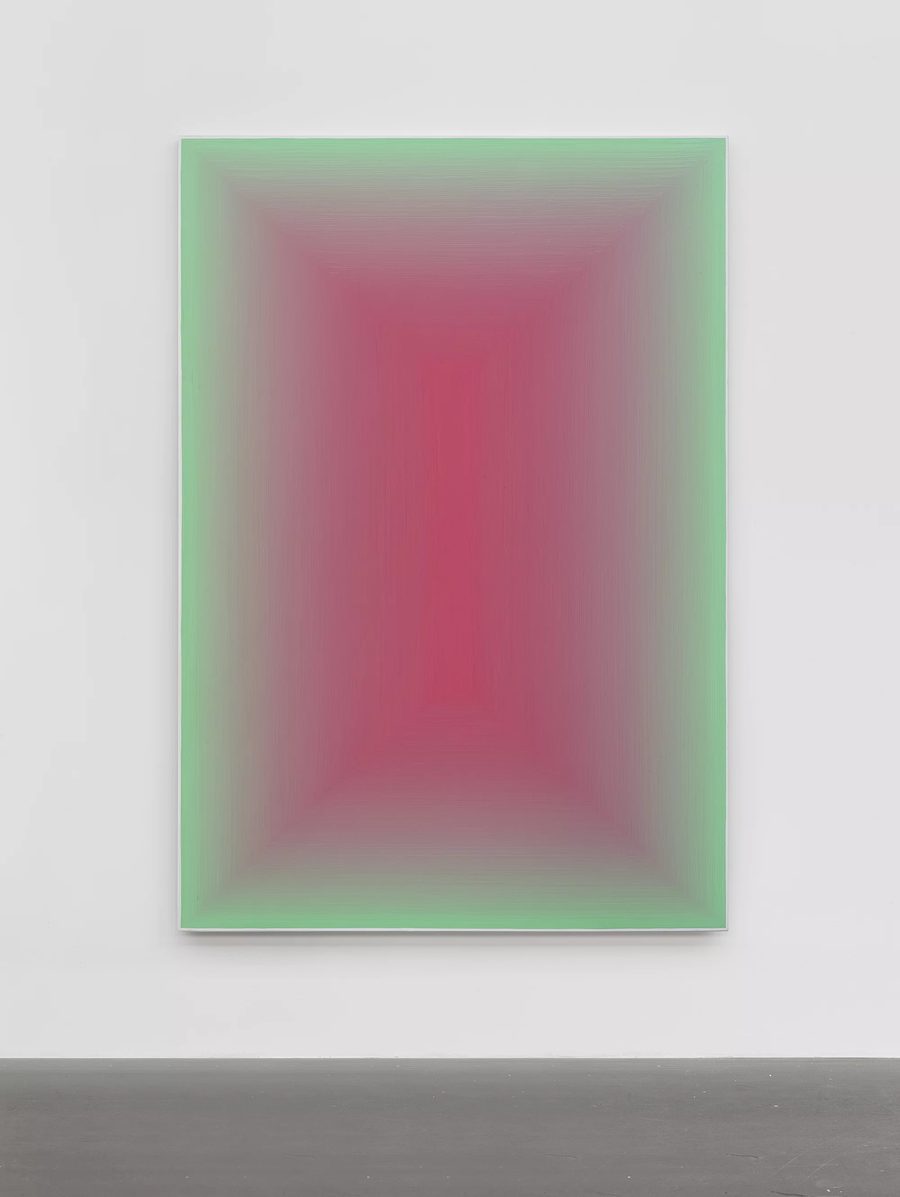
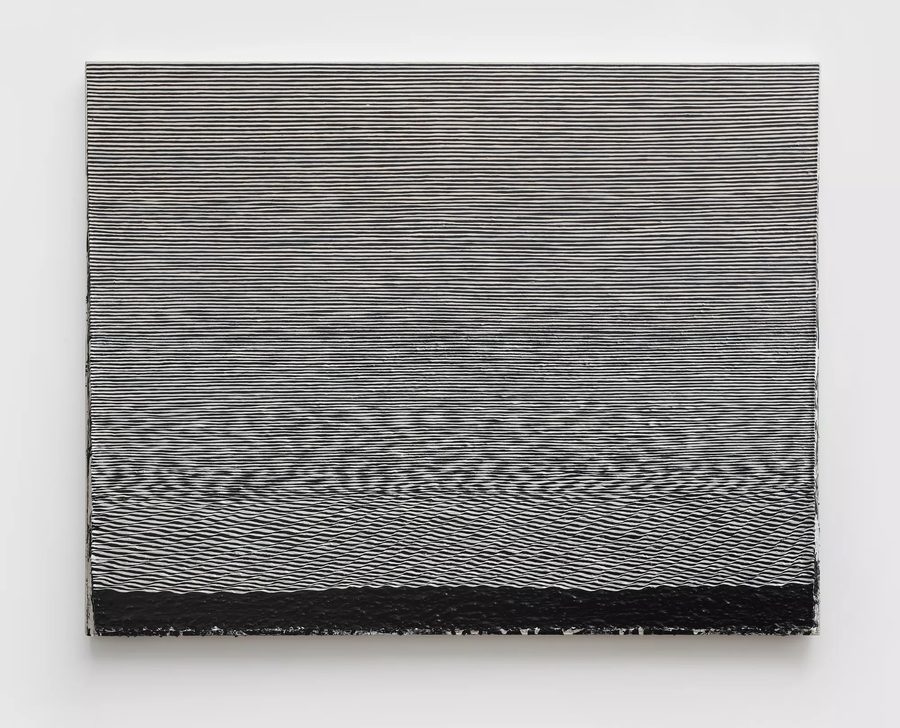
4. Zhu Jinshi — 朱金石 (b. 1954, Beijing; lives in Berlin and Beijing)
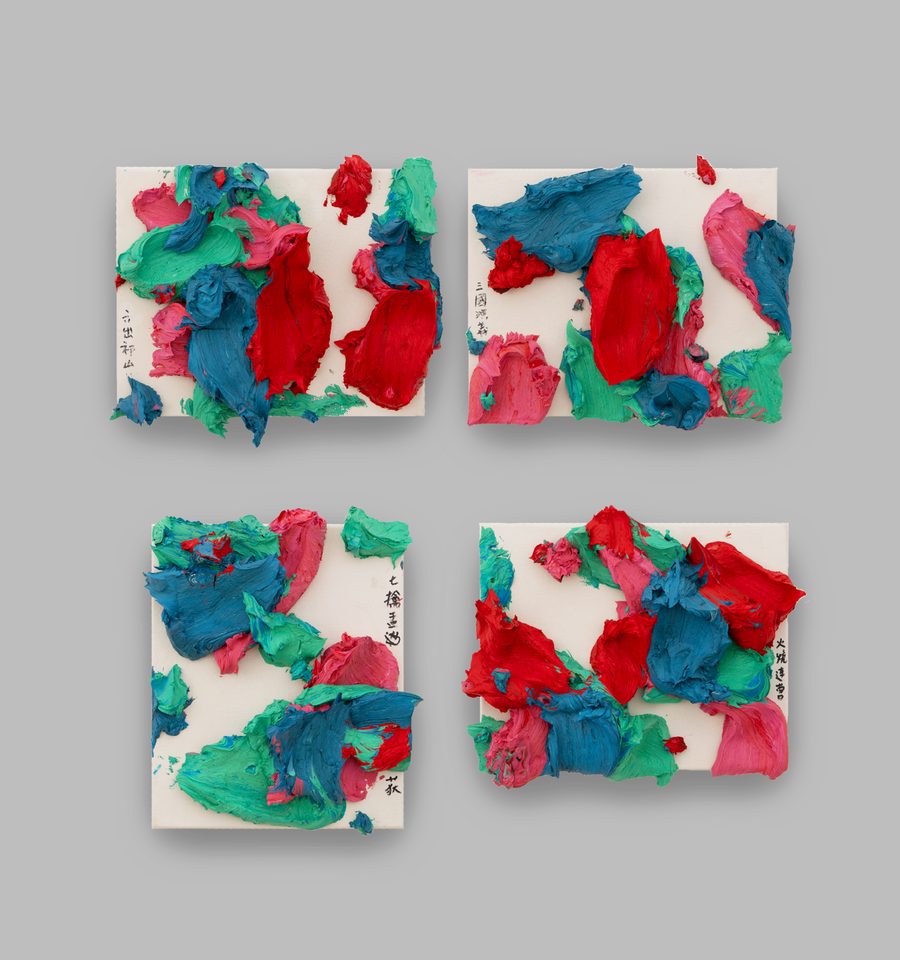
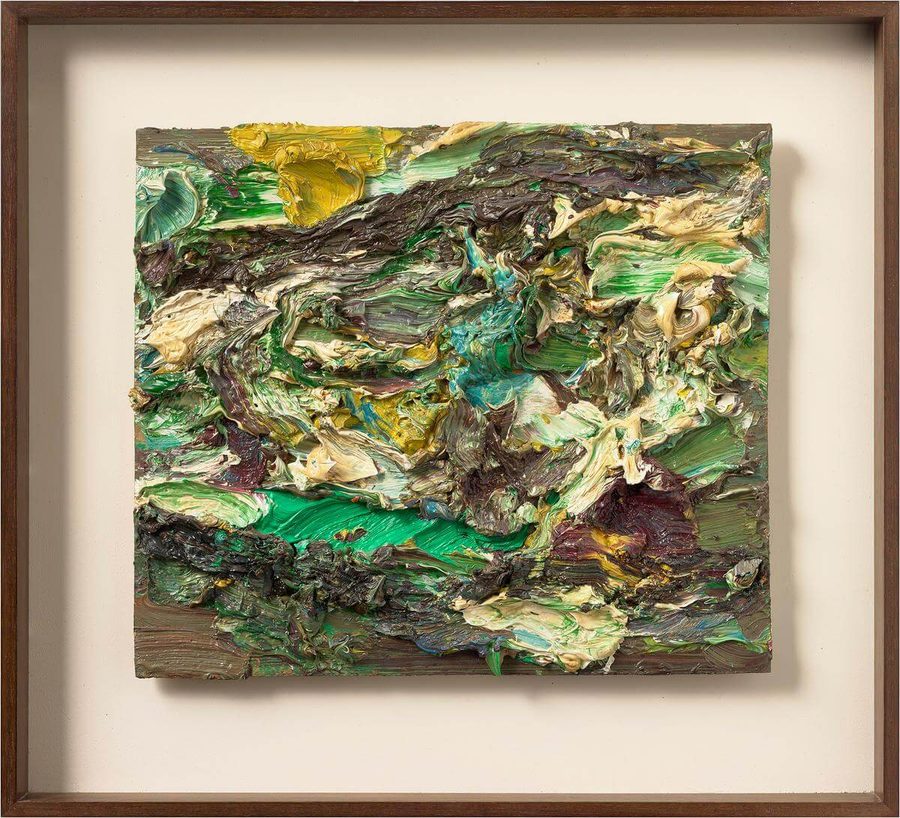
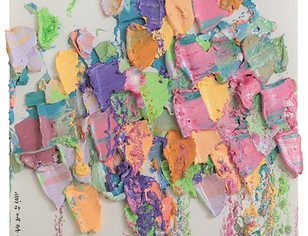
Thick paint and paper: abstraction as physical effort.
- Volumetric brushstroke — paint laid on in centimetre-thick layers; the painting ceases to be a surface.
- Works with paper — installations made of thousands of sheets of paper.
- Between Beijing and Berlin — life in two art systems as a condition of the practice.
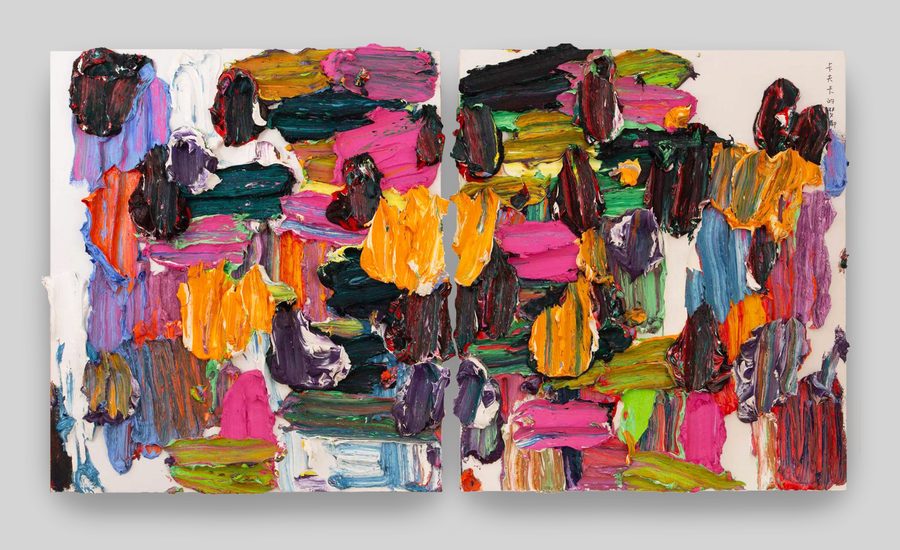
5. Liu Wentao — 刘文涛 (b. 1973, Beijing)
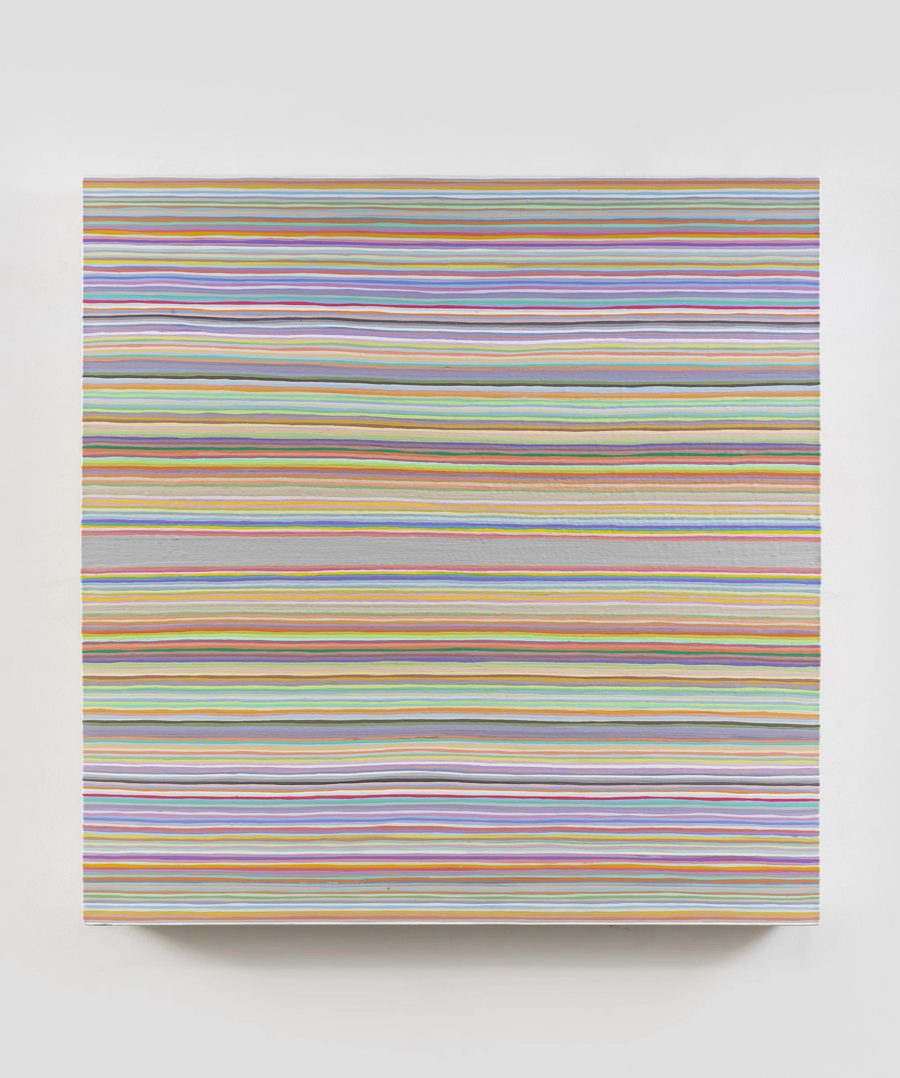
The pencil line as the basis of painting.
- Thin lines — canvases assembled from many parallel pencil strokes.
- Density instead of subject — the image arises from the accumulation of line.
- Exhibitions in Hong Kong — solo projects at Pearl Lam Galleries.
Sources: White Space, Beijing · Pearl Lam Galleries
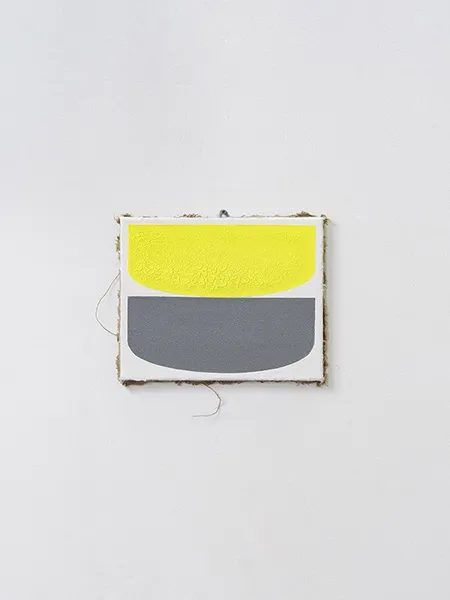
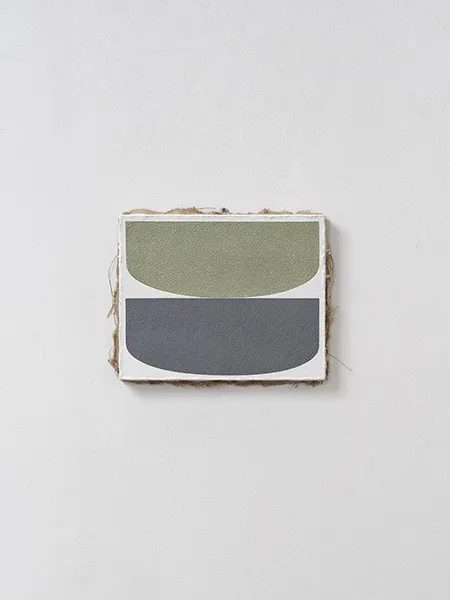
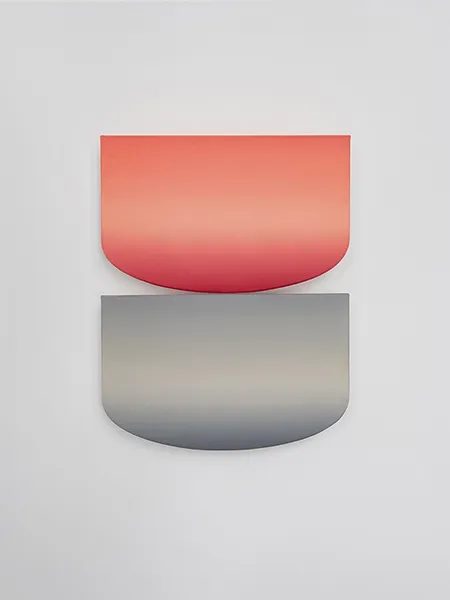
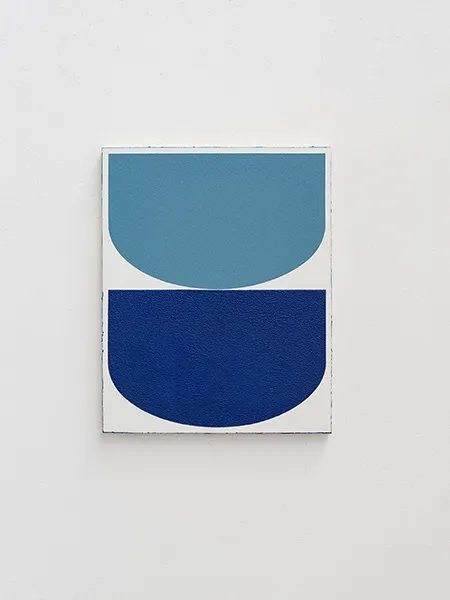
6. Chen Wenji — 陈文骥 (b. 1954, Shanghai)
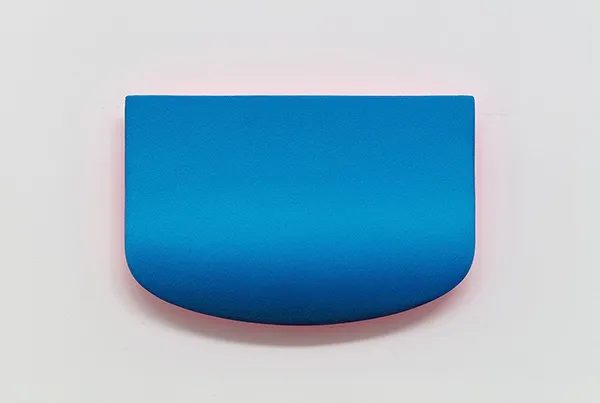
A synthesis of abstraction: form reduced to sign and colour.
- Abstract series — geometry and colour with no reference to nature.
- Teaching at CAFA — the printmaking department, then mural painting.
- Working in Beijing and Yanjiao — near the academy.
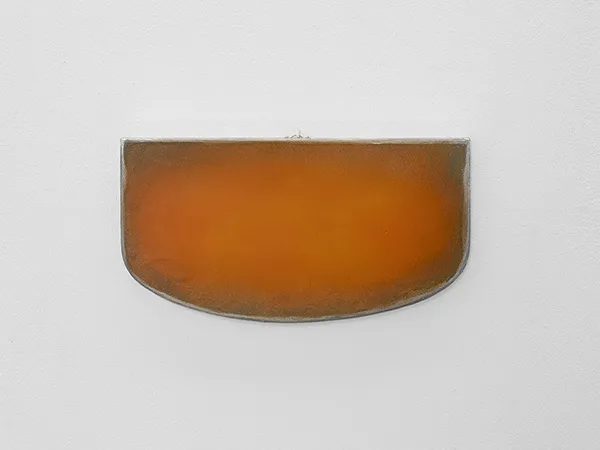
7. Ma Kelu — 马可鲁 (b. 1954, Shanghai; New York since 1988)
From the forbidden abstraction of the 1970s to the large format.
- “The Nameless Group” (无名画会) — a member of the circle of self-taught artists who painted outdoors against the rules.
- Early abstraction — a turn to form that was forbidden in the 1970s.
- New York — the move of 1988 and the growth in scale of the works.
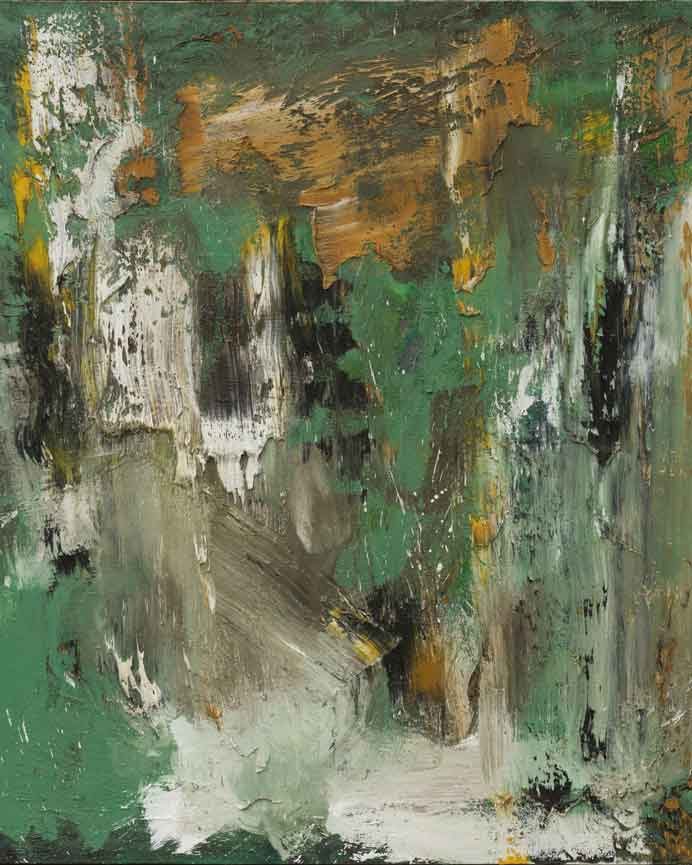
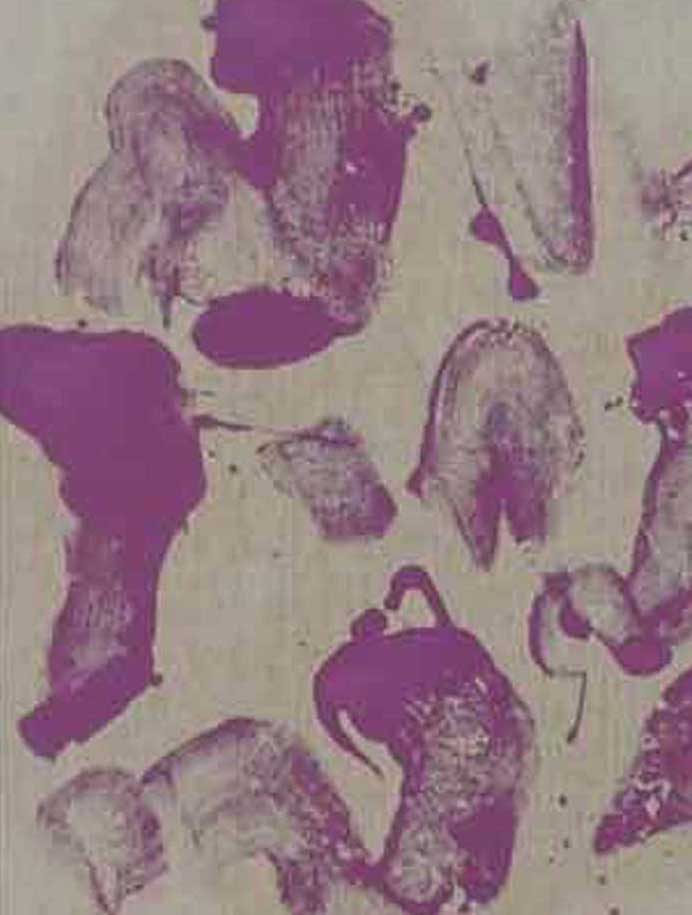
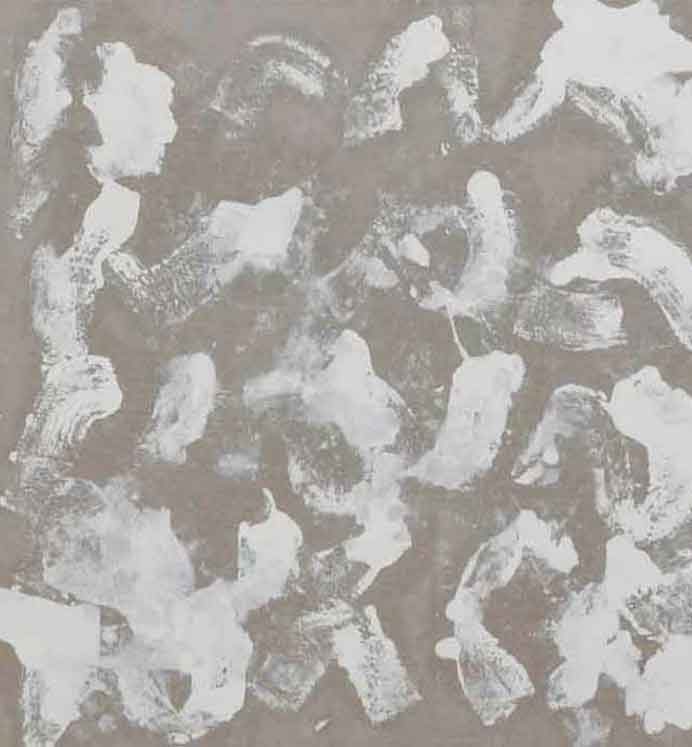
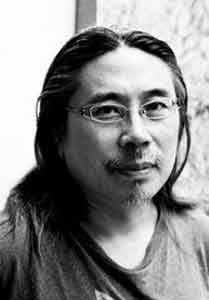
8. Feng Lianghong — 冯良鸿 (b. 1962, Shanghai)
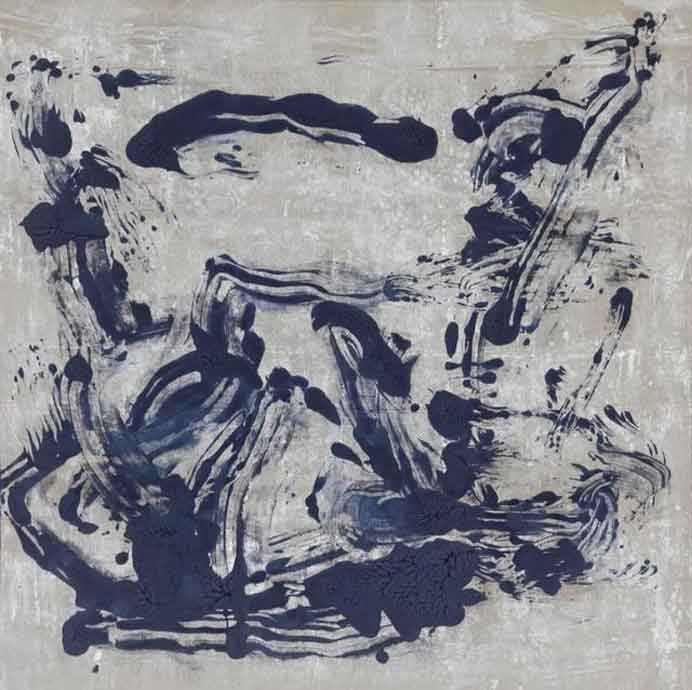
Abstract expressionism after New York.
- Shanghai — Beijing — New York — studied in Shanghai and Beijing, worked in New York from 1990, back in Beijing since 2006.
- Gesture and colour — the painting is built on the speed and density of the stroke.
- Large format — the scale grows with the experience of the studio.
Sources: personal website · CAFA
9. Liang Quan — 梁铨 (b. 1948, Shanghai; lives in Shenzhen)
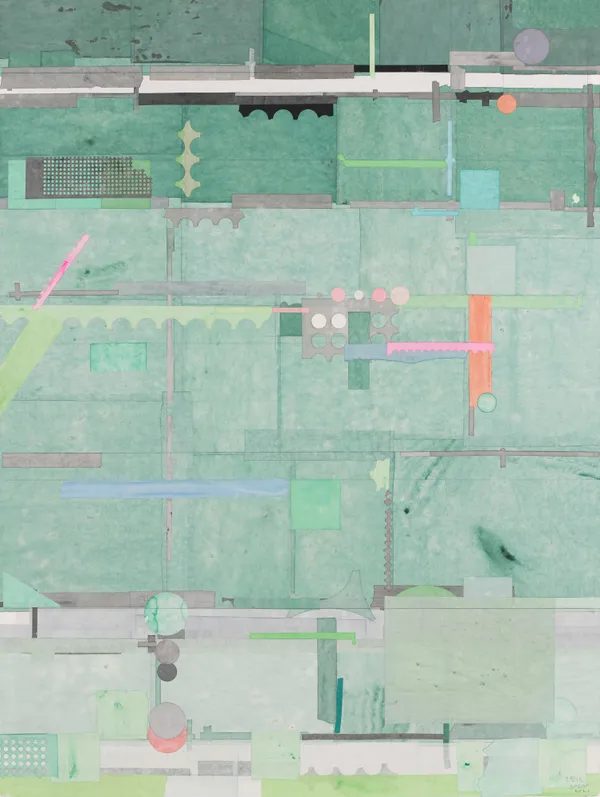
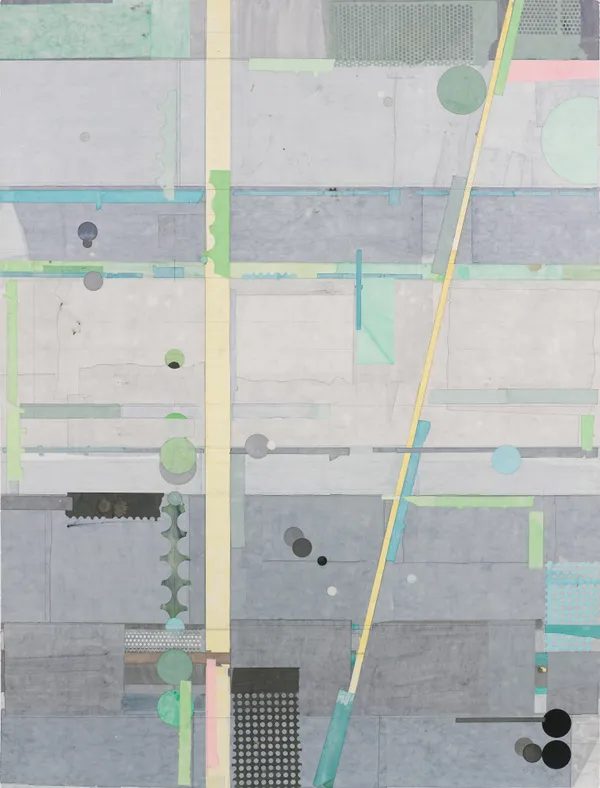
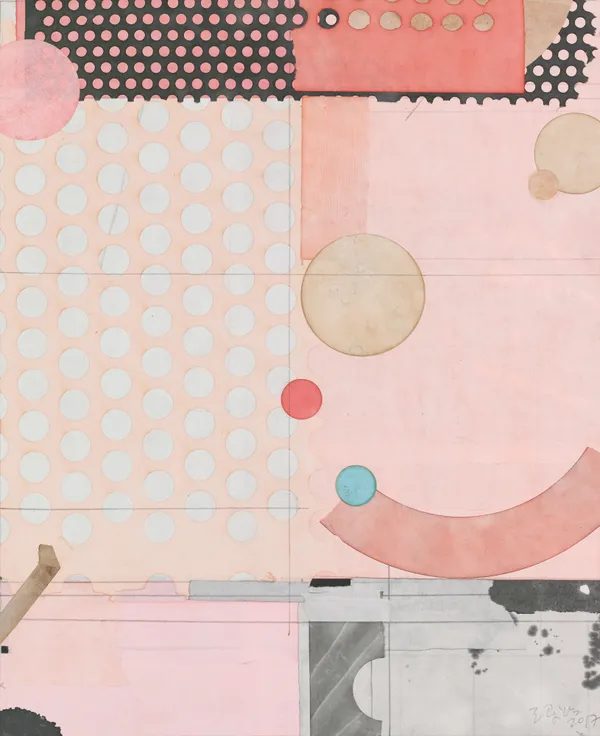
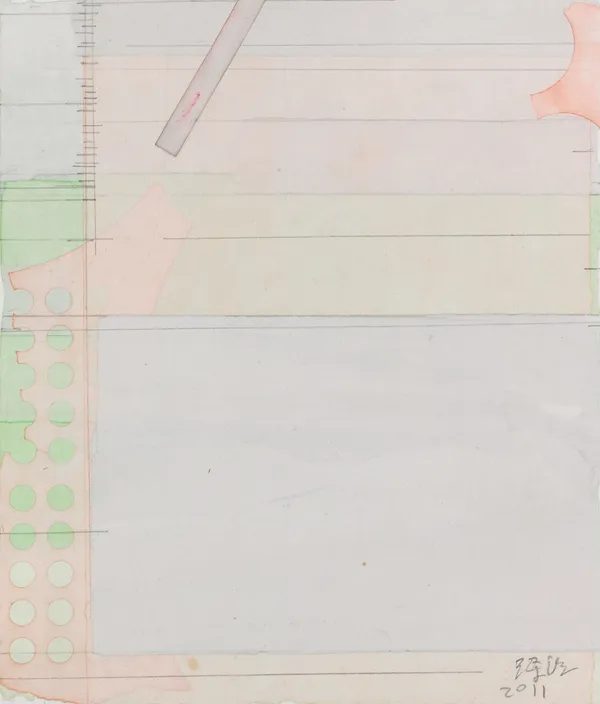
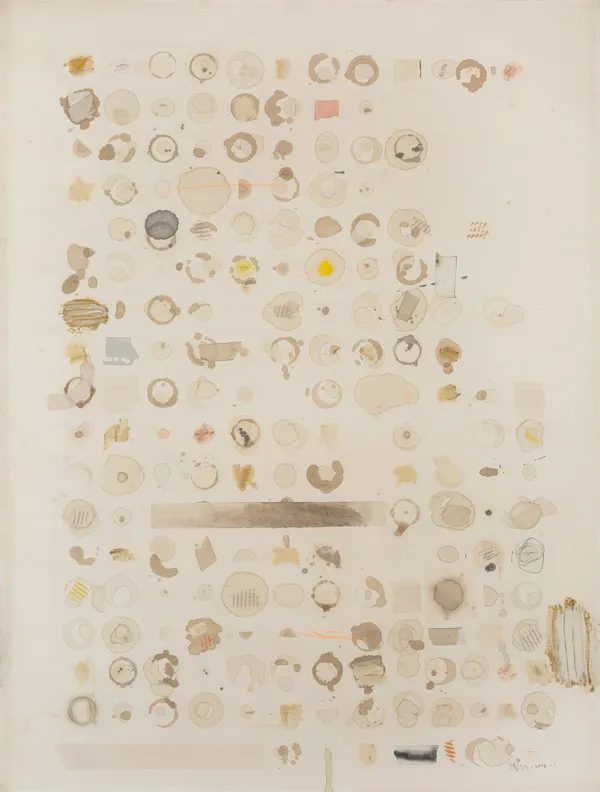
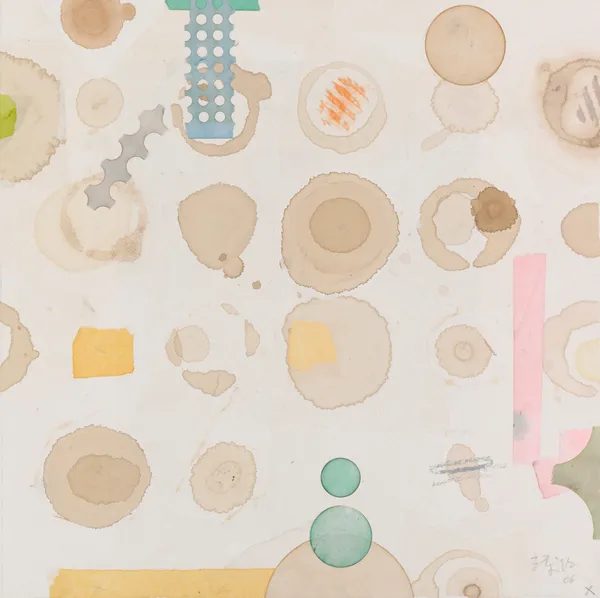
Ink, tea and paper: collage as meditation.
- Paper collages — sheets assembled in layers, with flecks of tea and ink.
- From “fullness” to “emptiness” — the artist himself describes the change of technique as a move towards empty space.
- Teaching at the China Academy of Art — Hangzhou.
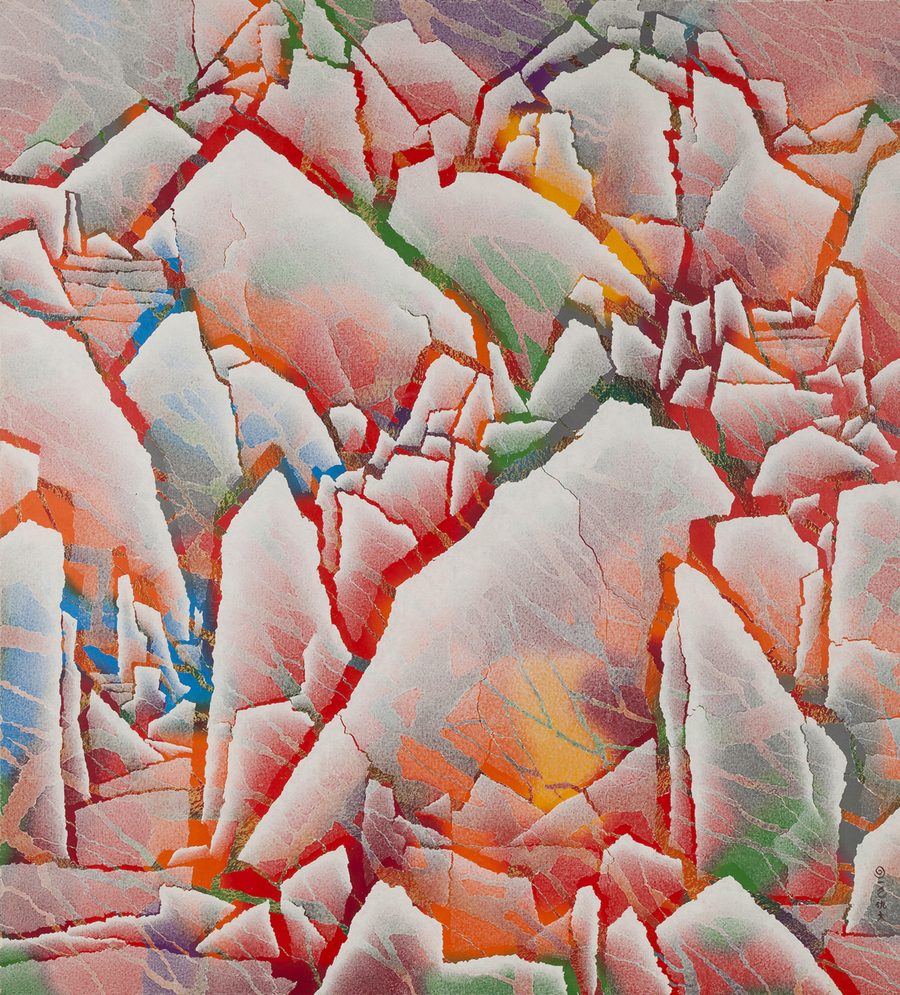
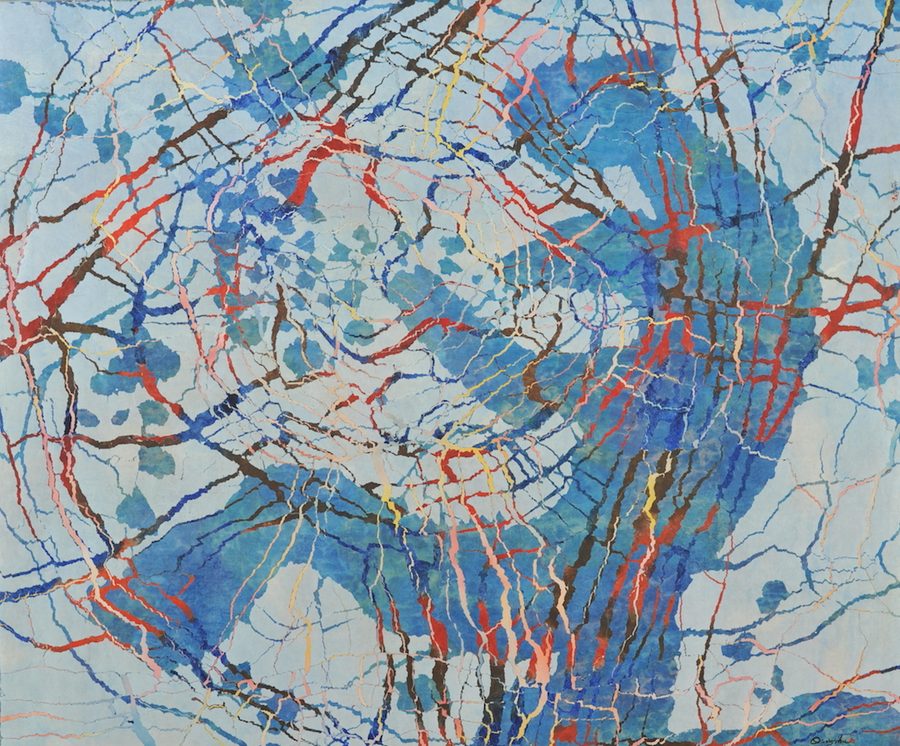
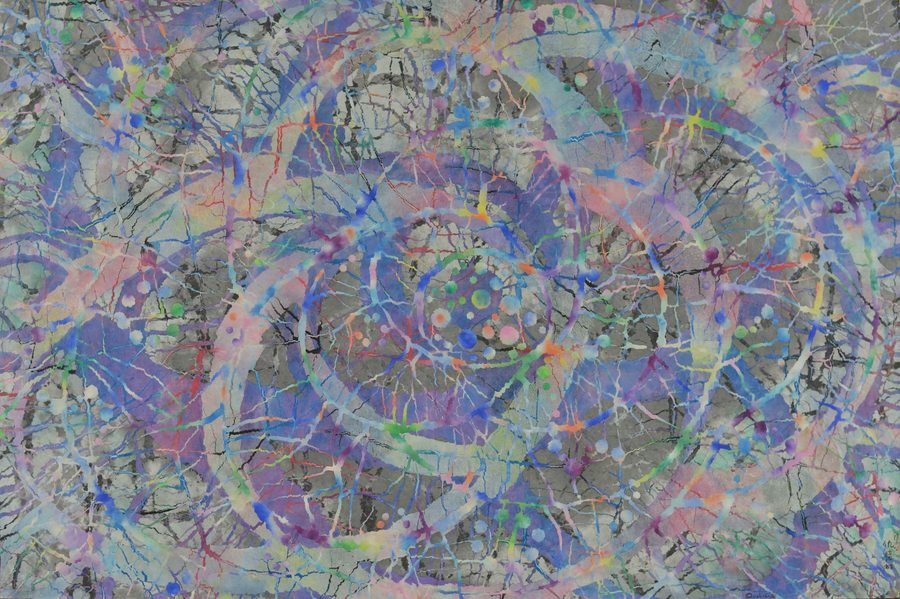
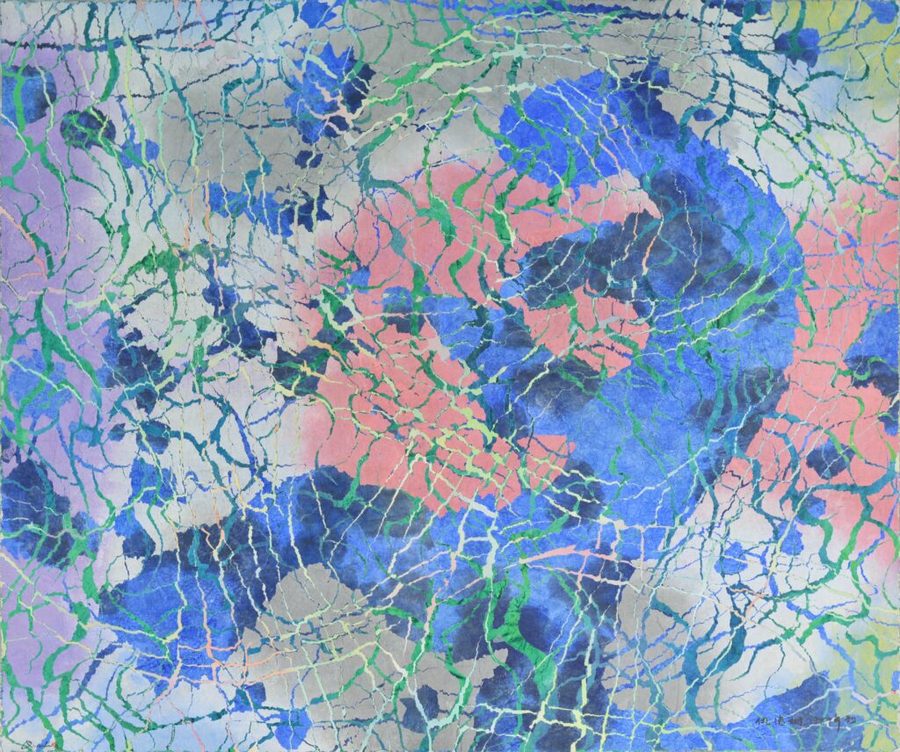
10. Qiu Deshu — 仇德树 (1948, Shanghai — 2020)
The tear as a foundation: paper is torn, reassembled and becomes a landscape.
- “Fissuring” (裂变, since the 1980s) — ink sheets are torn and glued into a new surface.
- Craft and painting — trained in seal carving, scroll mounting and ink, as well as Western oil.
- Founder of a studio — worked in Shanghai outside the academic system.