survey_29 — calligraphy as contemporary art
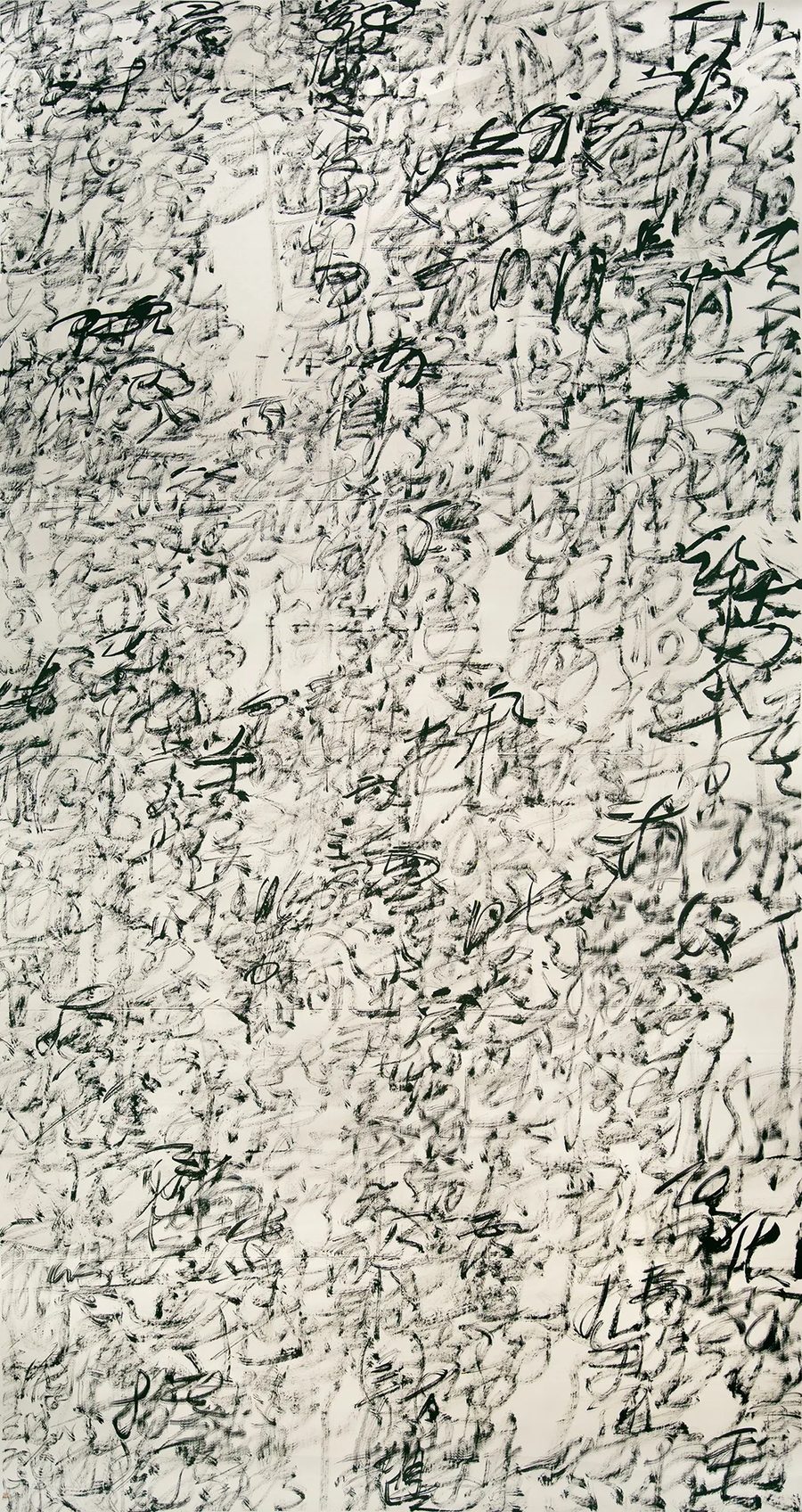
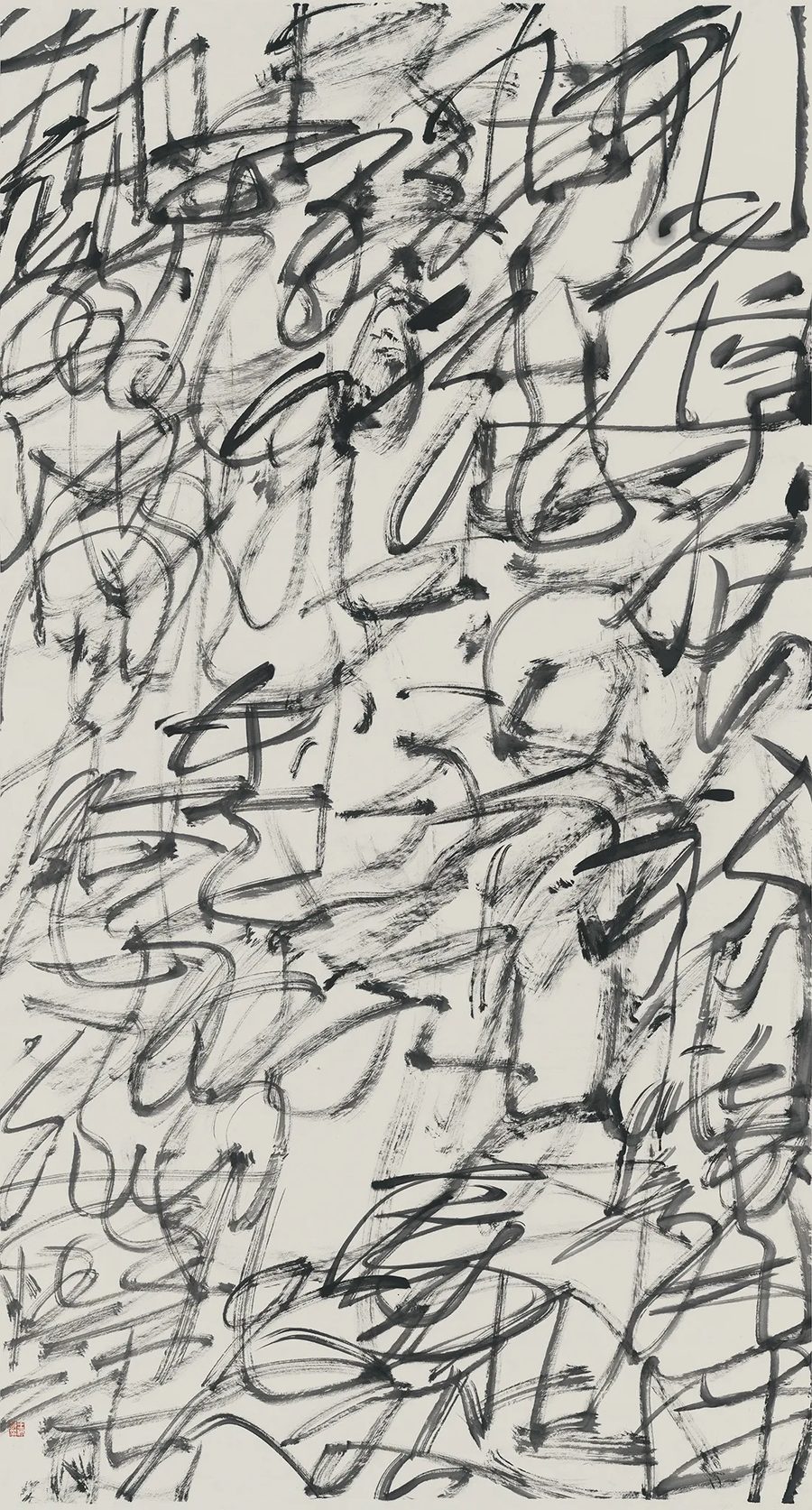
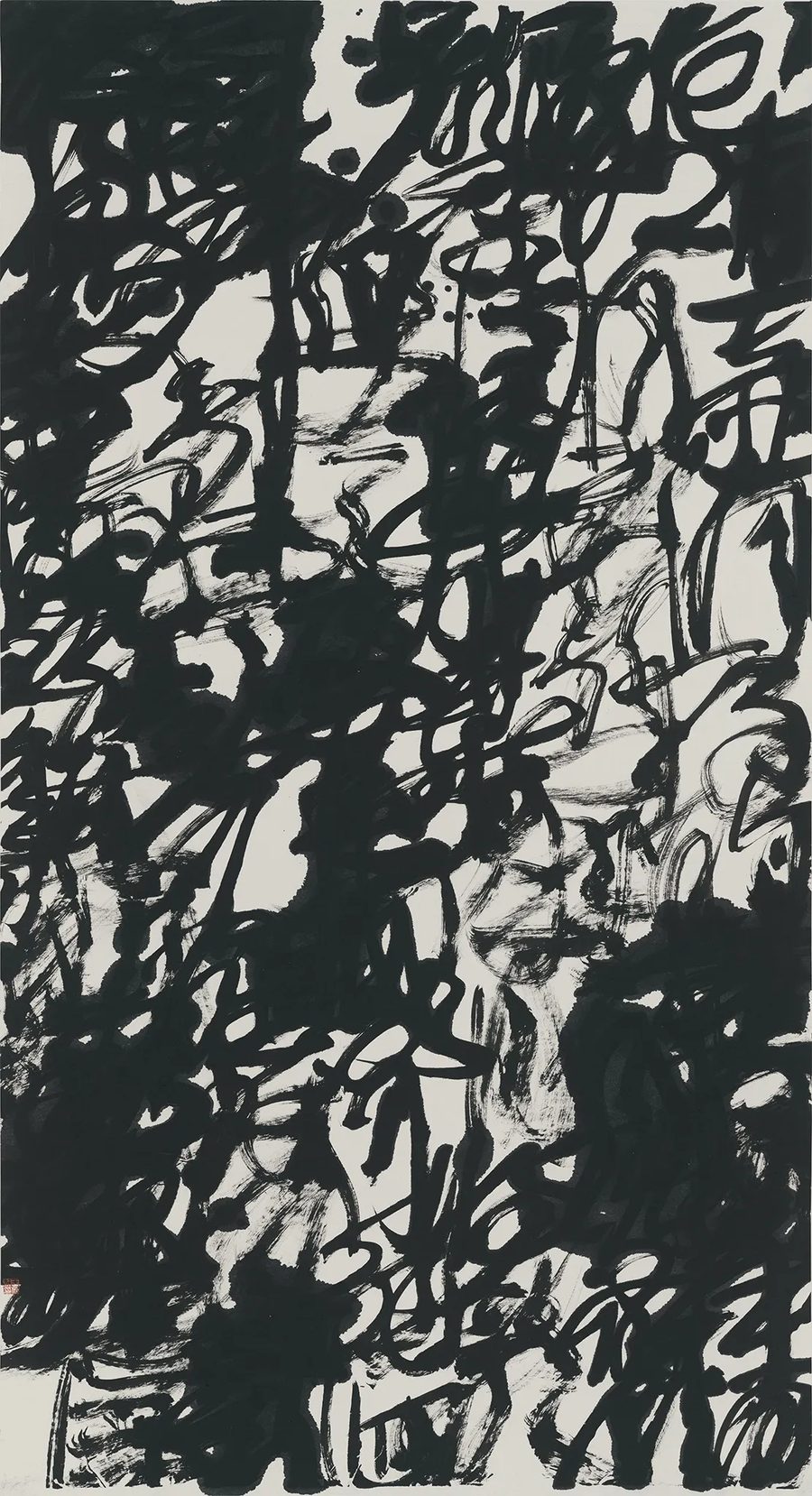
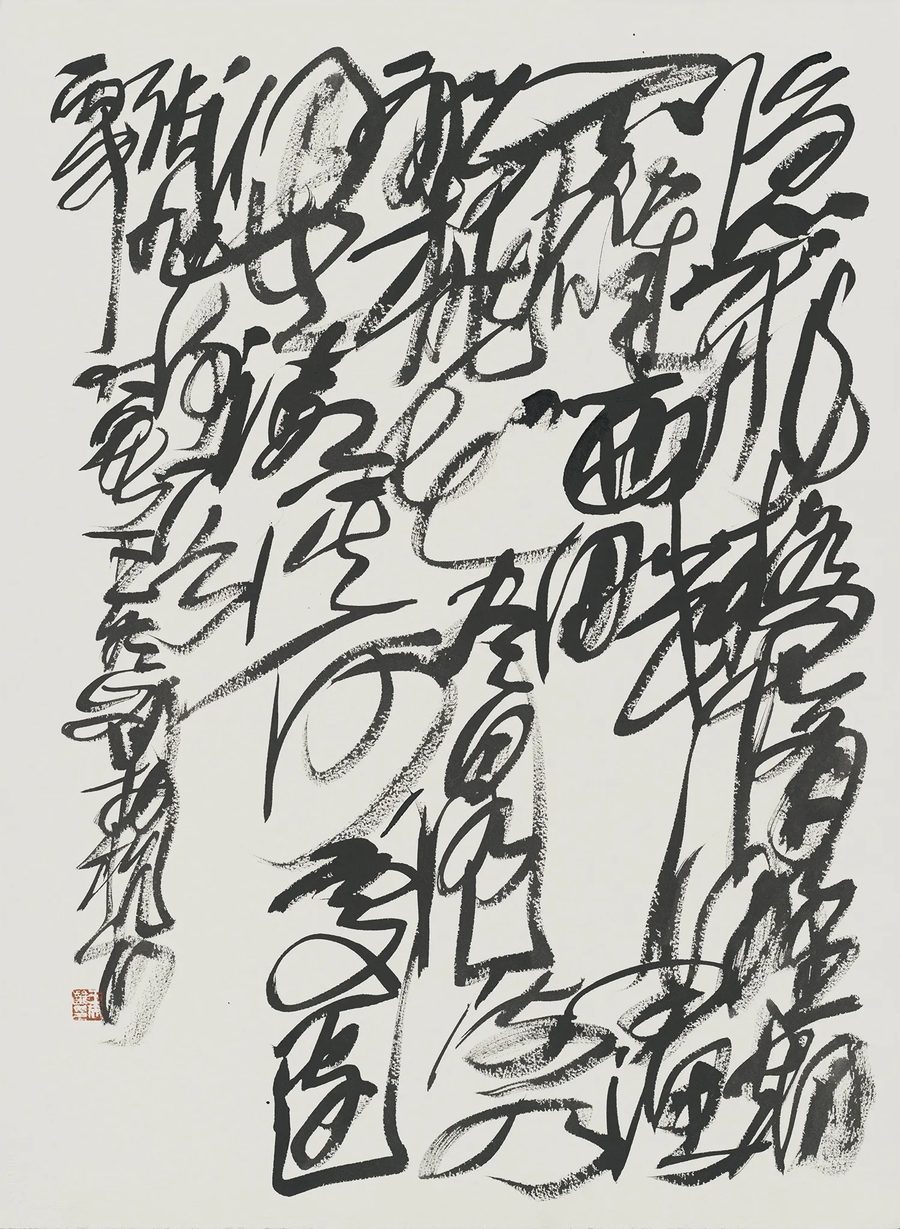
1. Wang Dongling — 王冬龄 (b. 1945, Rudong, Jiangsu)
Calligraphy as gesture: he pushes regular and cursive script to “chaotic writing” and writes it in front of an audience.
- Path — born in 1945 in Rudong County (Jiangsu); in 1981 he completed the first cohort of the calligraphy master's programme at the Zhejiang Academy of Fine Arts (now the China Academy of Art) with a master's degree and stayed on to teach.
- Leadership — director of the Centre for the Study of Modern Calligraphy at the China Academy of Art, professor and doctoral supervisor; member of Xiling Yinshe (西泠印社), chairman of the Lanting Society, lifetime honorary chairman of the Hangzhou Calligraphers Association.
- “Chaotic writing” (乱书) — characters and lines overlap one another, pushing the text to the edge of legibility; he is known for public writing performances (“心经” at the British Museum, the Victoria and Albert Museum, the Brooklyn Museum and the Harvard Art Museums, 2024).
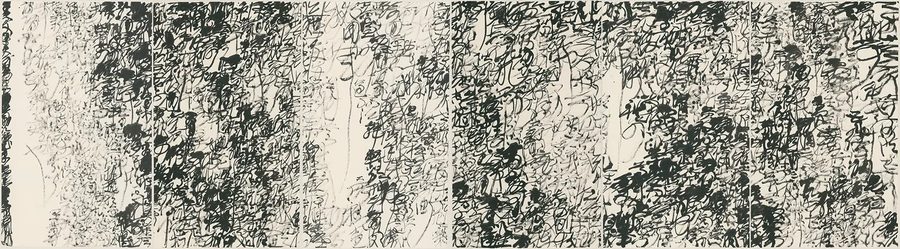
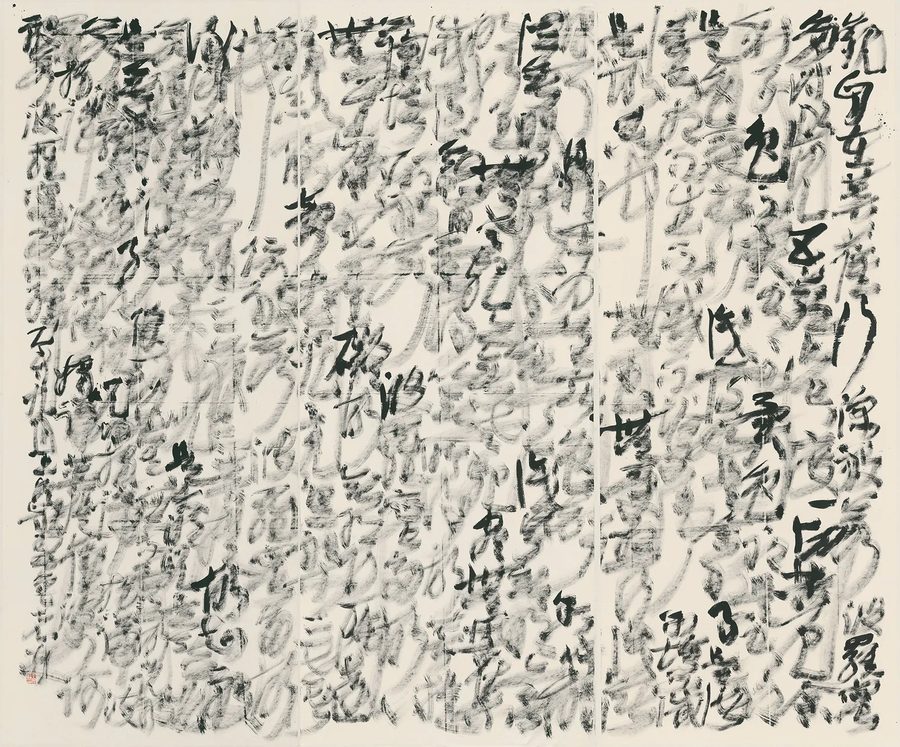
2. Qiu Zhenzhong — 邱振中 (b. 1947, Nanchang)
The theory and practice of writing: he takes calligraphy apart into mechanisms and leads it into contemporary art — from “unread signs” to sculpture.
- Path — born in 1947 in Nanchang (Jiangxi); in 1981 he completed a postgraduate programme in calligraphy at the Zhejiang Academy of Fine Arts; he taught at Jiangxi Normal University, and since 1998 has been a professor at the Central Academy of Fine Arts (中央美术学院) and head of its Centre for Comparative Studies of Calligraphy and Painting.
- Works — the series “待考文字” (signs awaiting reading, 1988), “众生系列·南无阿弥陀佛” (1988), “日记”, “新诗系列·保证”, “渡” (2000); a solo exhibition, “最初的四个系列”, at the National Art Museum of China (1989).
- Concept — he writes texts by Derrida and Celan as unreadable writing, joining calligraphy with installation and sculpture; in 2018 an exhibition, “语·默”, and the installation “空·流”, and in 2025 his series “状态” was shown at the 60th Venice Biennale in the China Pavilion.

3. Zeng Xiang — 曾翔 (b. 1958, Suizhou, Hubei)
Large-format writing: he wields the brush with his whole body and moves calligraphy out of the scroll and into space and action.
- Path — born in 1958 in Suizhou (Hubei); he graduated from the PLA Military Academy and studied under Wang Zhen, Liu Bingsen and Shen Peng; a state first-class artist.
- Positions — research fellow of the China National Academy of Painting (中国国家画院) and deputy chairman of its committee for calligraphy and seal carving; head of the Zeng Xiang Calligraphy Studio and deputy director of the Hubei Academy of Calligraphy.
- Works — large-format sheets “意写天发神谶碑” (2021), “大爱无疆” (2022), a copy of “石门颂” (2020), and the printed seal impressions “木木堂朱迹” (2022).
Sources: 中国国家画院 (cnap.org.cn) · 中国文化艺术发展促进会 (cnspac.china.com)
4. Wo Xinghua — 沃兴华 (1955–2025, Shanghai)
“Form-structure”: he reads calligraphy as the division of space by line and shifts the emphasis from the text to the relationship between black and white.
- Path — born in 1955 in Shanghai; in 1977 he entered the history faculty of East China Normal University, and from 1979 pursued a master’s degree in palaeography; professor from 1994 and doctoral supervisor from 1995; professor in the Department of Cultural Heritage and Museology at Fudan University.
- Theory — he developed “形式构成” (form-structure) and researched the history of calligraphy, Dunhuang writing and bronze inscriptions; the author of more than thirty books.
- Recognition — in 2000 he was elected to the council of the Chinese Calligraphers Association, and in 2004 became secretary of the Shanghai Calligraphers Association; from 2019 he was a member of the Shanghai Research Institute of Culture and History; he died on 16 July 2025.
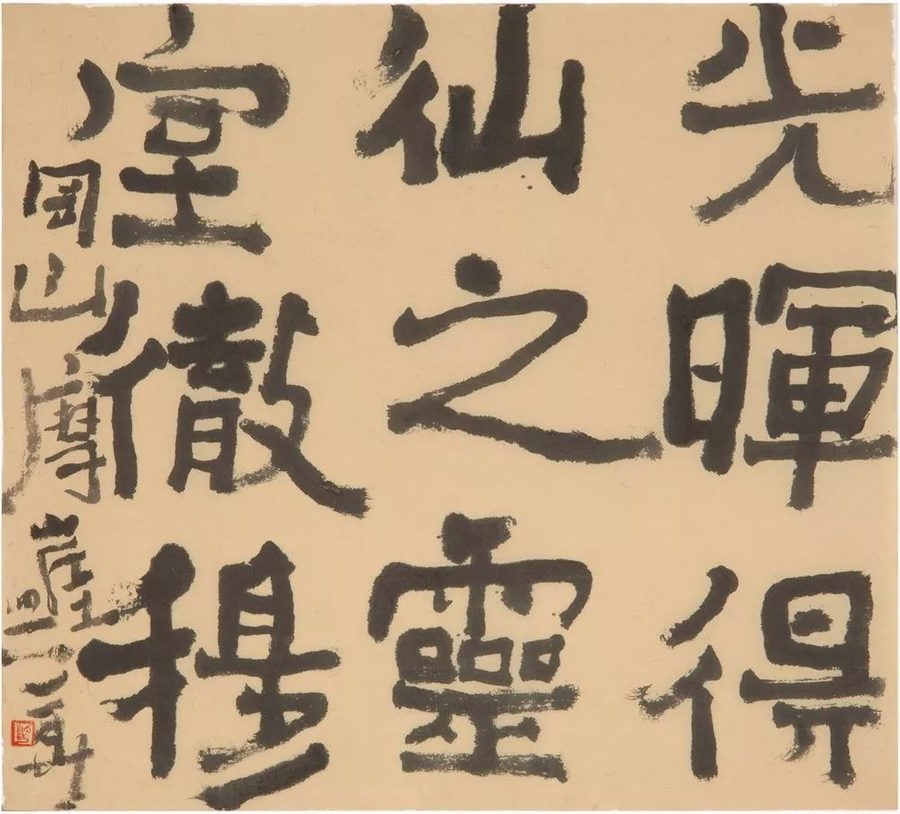
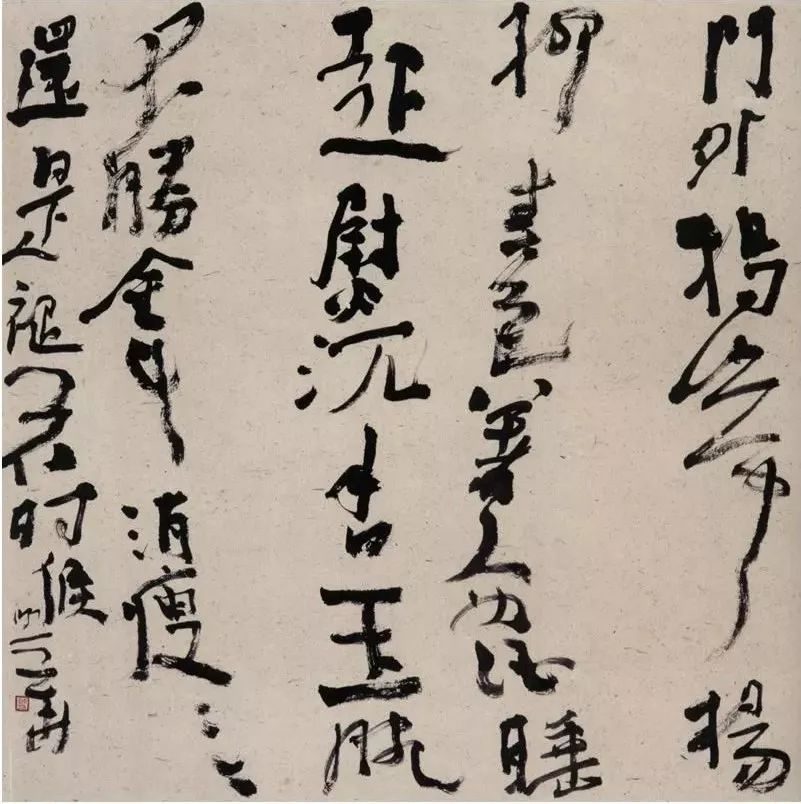
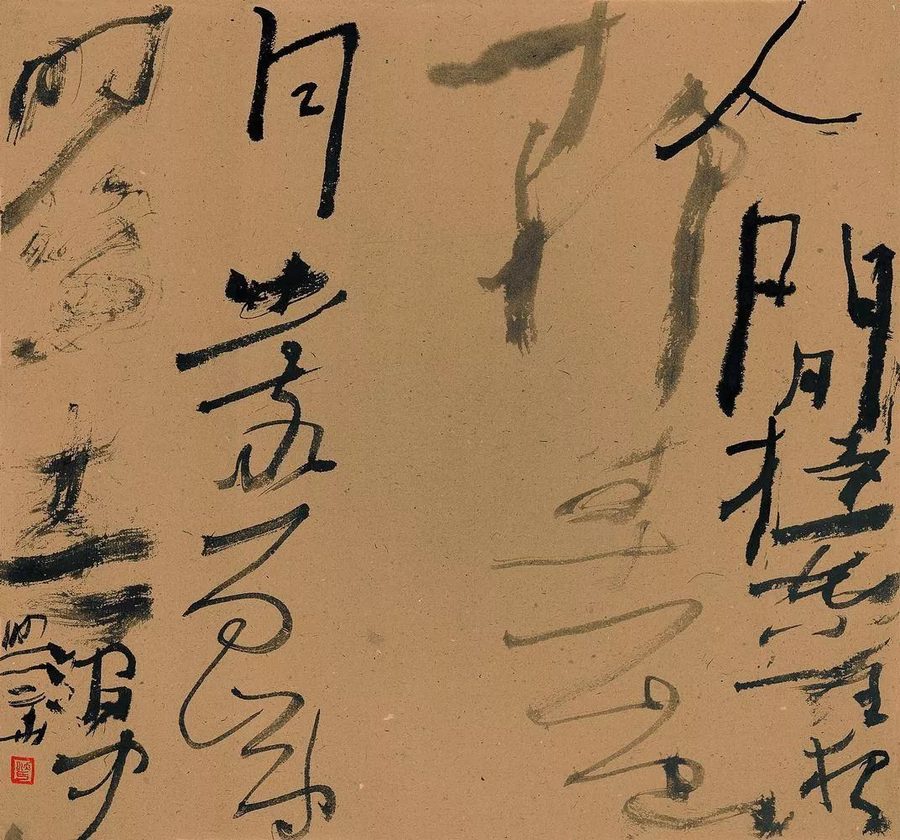
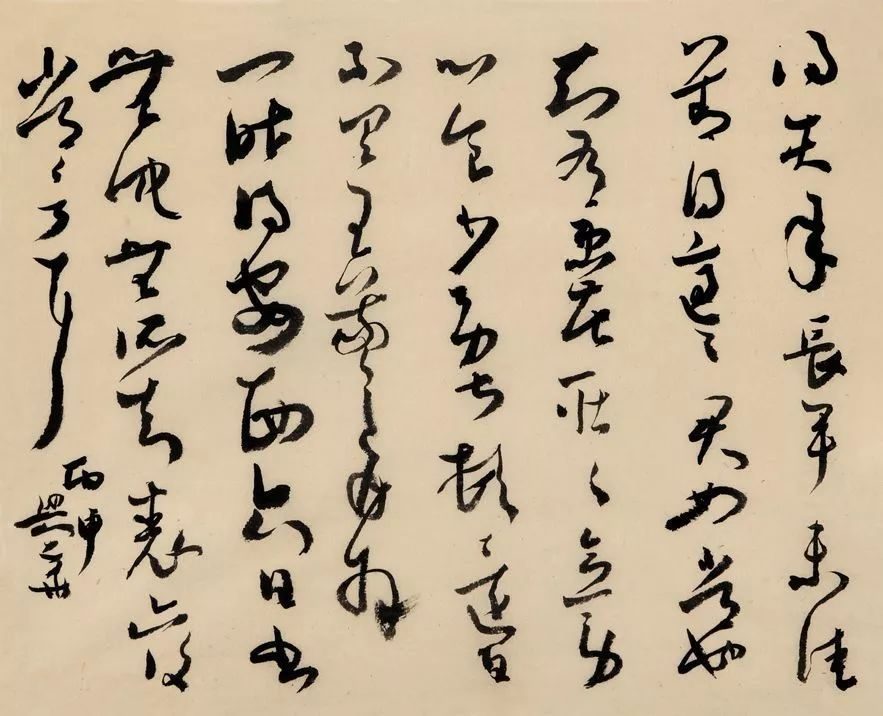
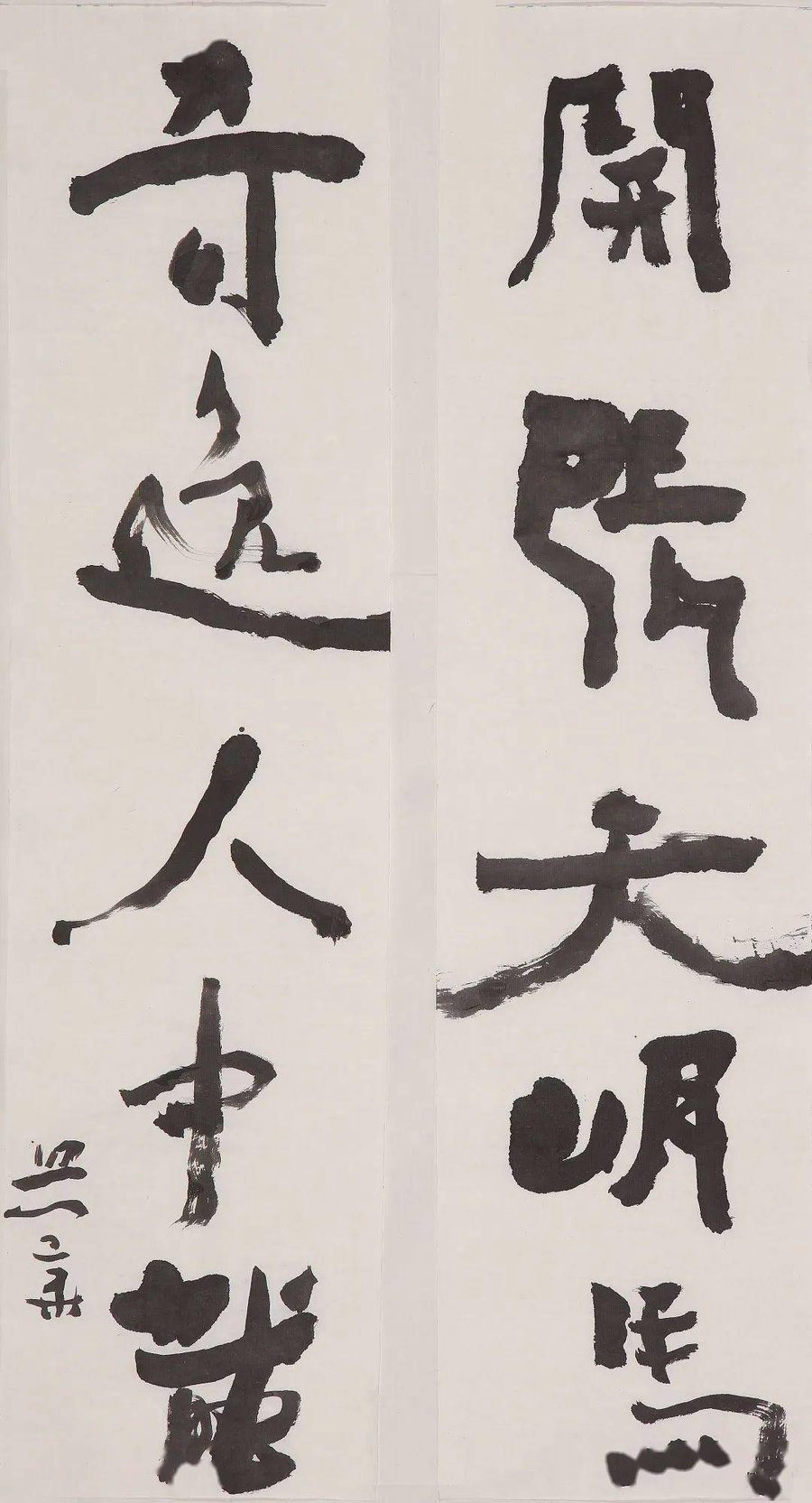
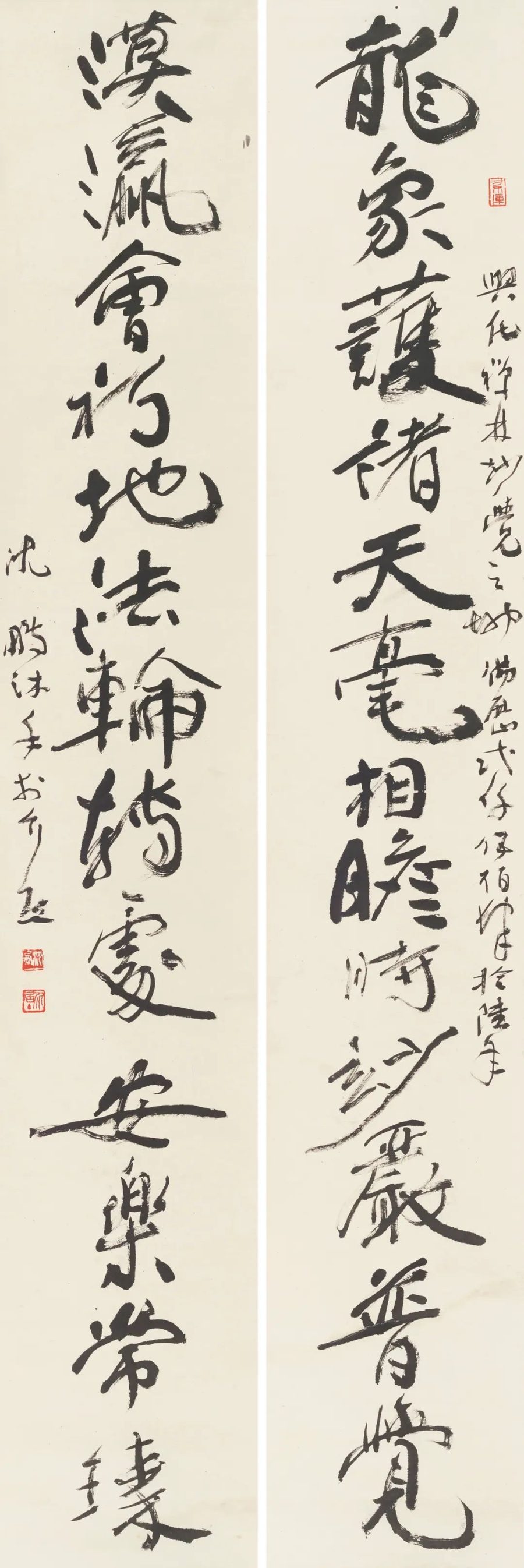
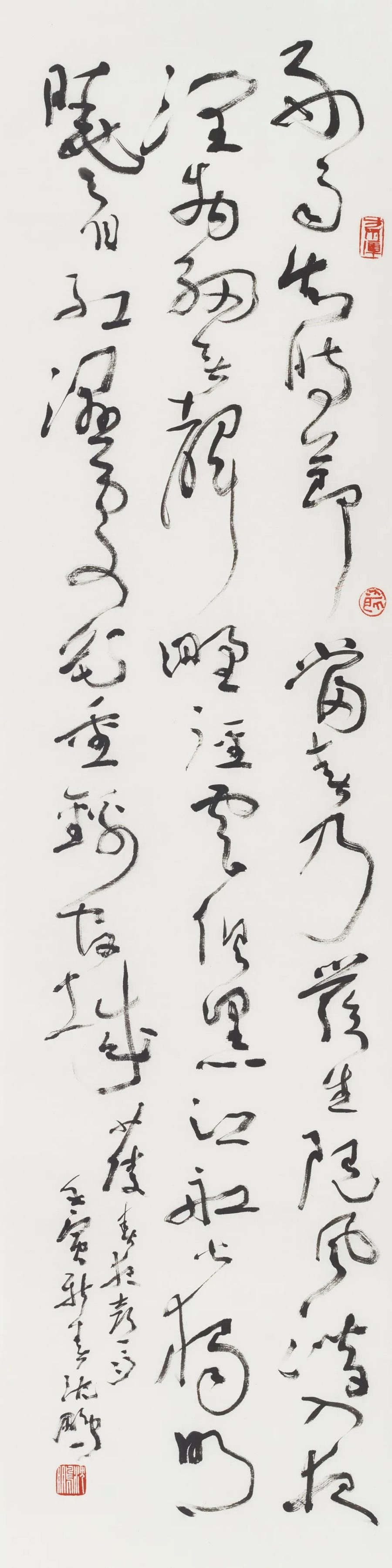
5. Shen Peng — 沈鹏 (1931–2023, Jiangyin, Jiangsu)
Calligrapher-poet and organiser: he joins writing and verse and set out a programme for the development of Chinese calligraphy.
- Path — born in 1931 in Jiangyin (Jiangsu), studio name Jieju; he worked at the People’s Fine Arts Publishing House, where he served as deputy editor-in-chief and a member of the editorial board.
- Positions — the fourth chairman of the Chinese Calligraphers Association and later its honorary chairman; vice-chairman of the China Writers Association, member of the Central Research Institute of Culture and History, and director of the Institute of Calligraphy and Seal Carving of the China National Academy of Painting.
- Method — he mastered cursive script (行草), as well as regular and clerical script; he formulated the principle “宏扬原创,尊重个性,书内书外,艺道并进”; in 2021 the National Art Museum of China held the exhibition “闻道未迟”, and in 2019 he donated twenty works to the museum.