survey_33 — kinetic art and robotics
1. Sun Yuan — 孙原 (Beijing, 1972)
Co-author of the duo Sun Yuan & Peng Yu: an artist who made the machine, automation and sensor control the protagonist of his works.
- Path — born in 1972 in Beijing; graduated from the high school of the Central Academy of Fine Arts (CAFA) in 1991 and from the oil painting department of CAFA (4th studio) in 1995; lives and works in Beijing.
- Duo — has worked in collaboration with Peng Yu since 1999–2000; the Guggenheim and M+ date the formation of the duo to 2000 (“established 2000, Beijing”).
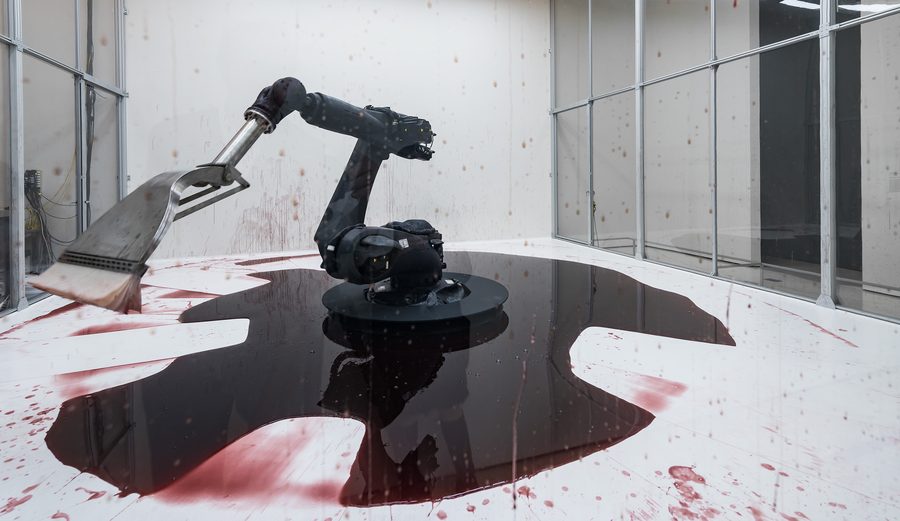
- Robot — “Can't Help Myself” (2016): an industrial KUKA robot with image-recognition sensors and a software system, commissioned by the Guggenheim Museum for the exhibition “Tales of Our Time”; the robot was given a sequence of 32 movements.
- Mechanics — “Freedom” (2009): a rubber hose inside a sealed steel cube, connected to a pump on a timer and striking the walls with a jet of water.
2. Peng Yu — 彭禹 (Jiamusi, Heilongjiang, 1974)
Co-author of the duo Sun Yuan & Peng Yu: works with air pressure, automation and moving objects as an extension of the body.
- Path — born in 1974 in Jiamusi (Heilongjiang province); graduated from the high school of CAFA in 1994 and from the oil painting department of CAFA (3rd studio) in 1998; lives and works in Beijing.
- Duo — a shared practice with Sun Yuan since 1999–2000; M+ gives 2000 as the year the duo was formed.
- Air and automation — “Dear” (2019): an air pump, a cylinder, a hose, a silicone sofa and an electronic system; the work was shown at the 58th Venice Biennale, “May You Live in Interesting Times”.
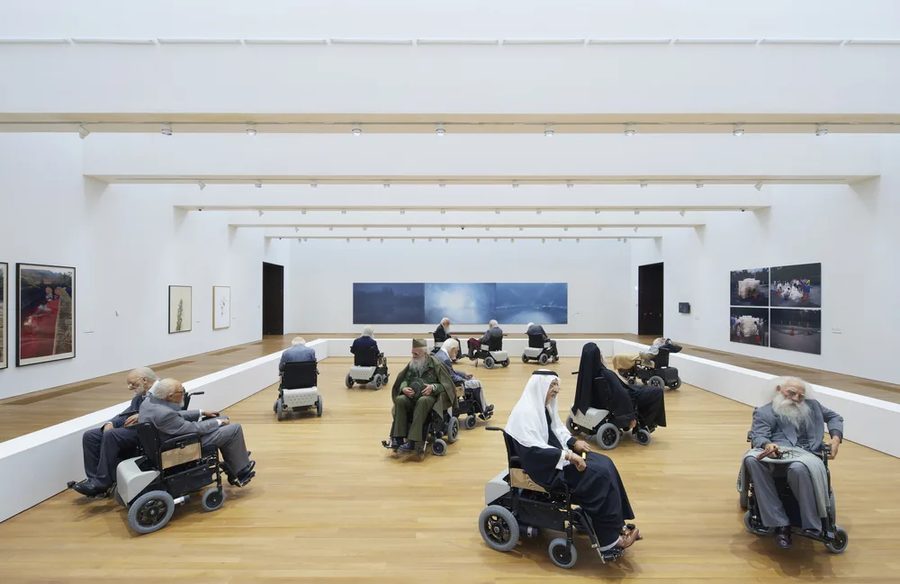
- Moving objects — “Old People's Home” (2007): thirteen figures on working electric wheelchairs that move slowly and collide with one another (M+, M+ Sigg Collection).
3. Wu Junyong — 吴俊勇 (Putian, Fujian, 1978)
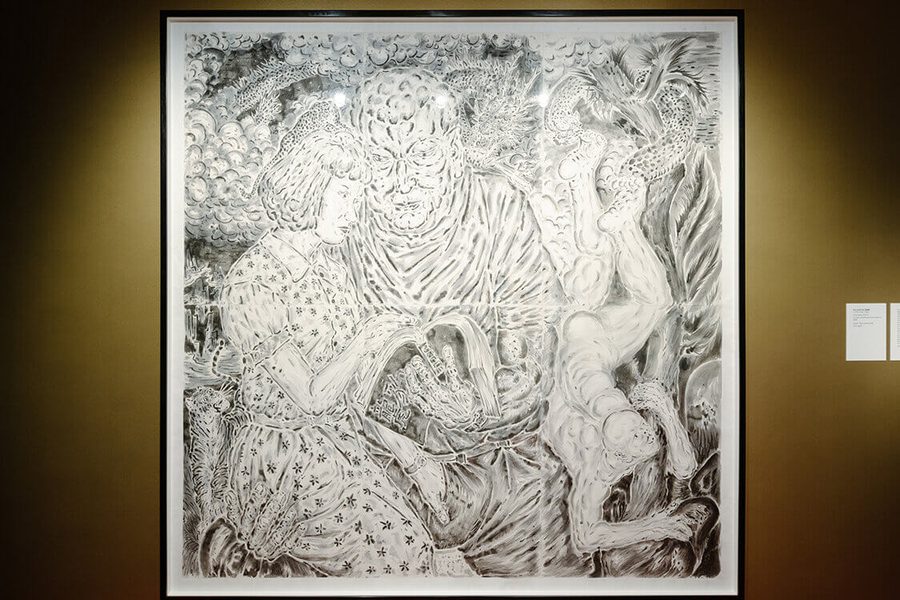
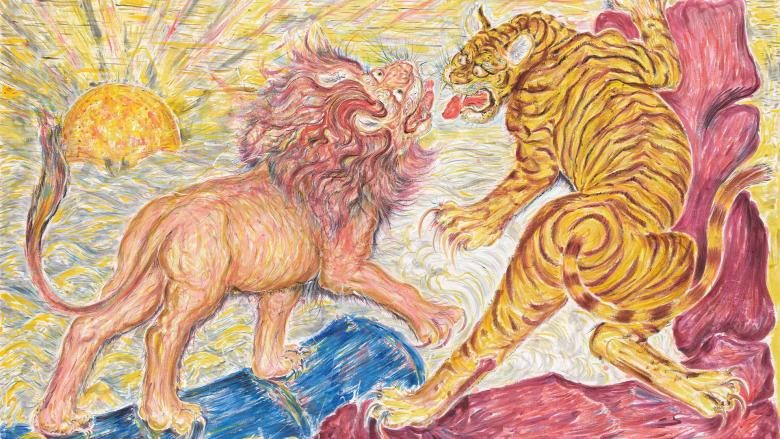
An artist of animation and media installations: he turns the drawn image into a moving environment — multi-channel projections and a “theatre of the image”.
- Path — born in 1978 in Putian (Fujian province); graduated from the printmaking department of the China Academy of Art (Hangzhou) in 2000 and completed an MFA in the new media department (supervisor: Zhang Peili) in 2005; teaches at the China Academy of Art.
- Animation — has worked with vector (Flash) animation since the early 2000s; gained recognition after the animation “等咱有钱了” (2005).
- Multi-channel installations — “千月” (2012, nine screens), “光的肖像” (2013, two projections), “飞舟” (2014, three synchronised screens), “梅杜萨的房间” (2016, an animated installation-theatre).
- Series — the “剧场” trilogy (2006) and the “大叔” series (Uncle series, 2012–2014) in the White Rabbit Collection (Sydney).
4. Zheng Lu — 郑路 (Chifeng, Inner Mongolia, 1978)
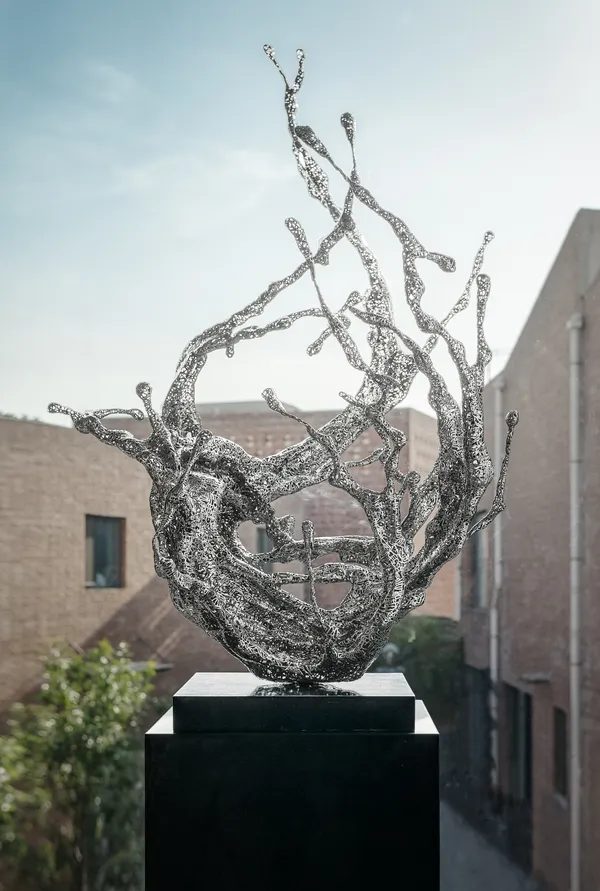
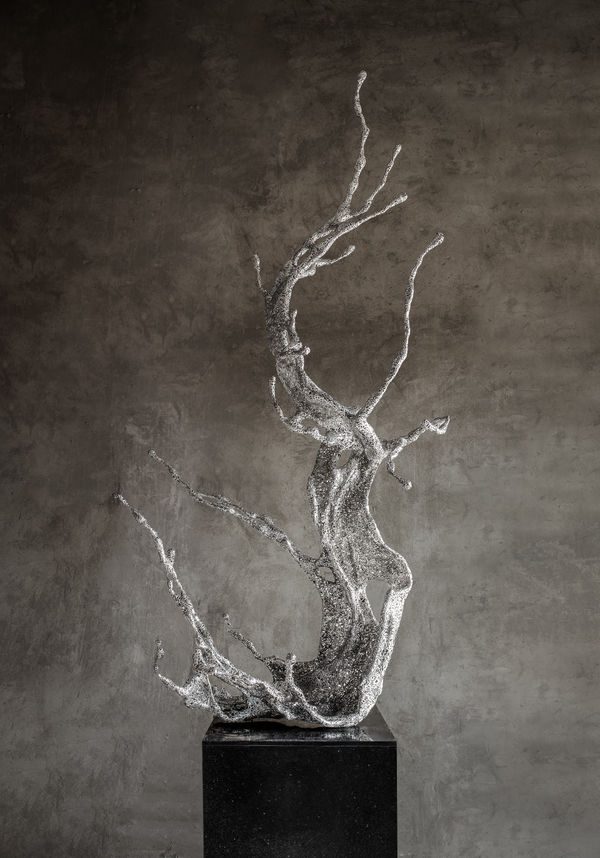
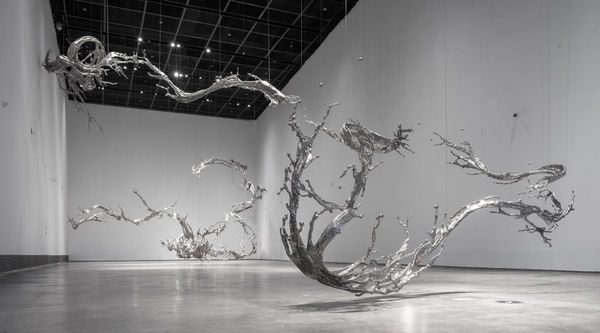
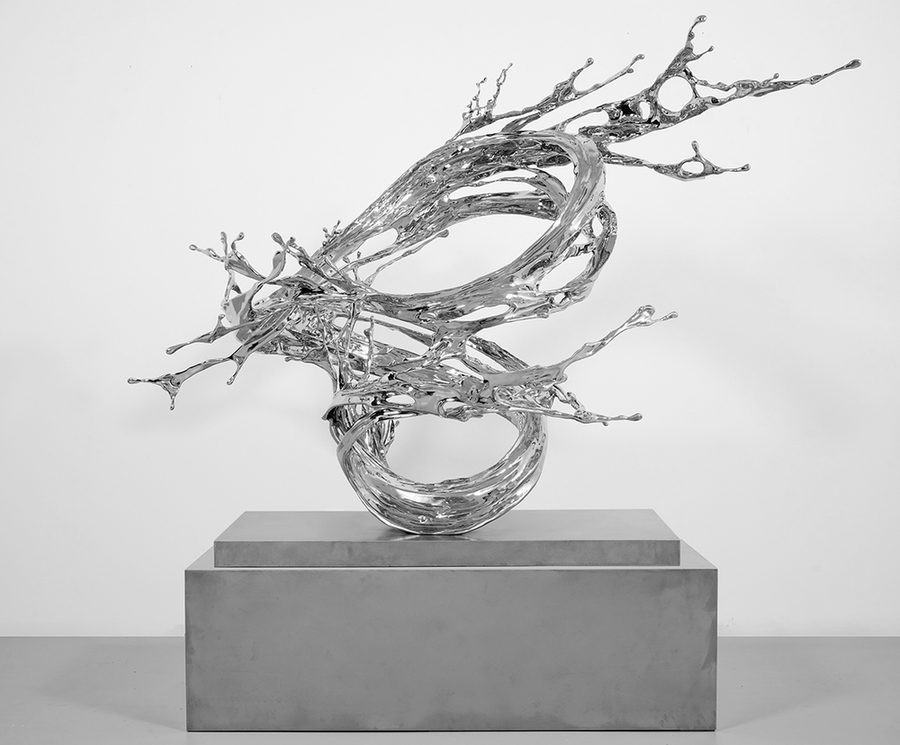
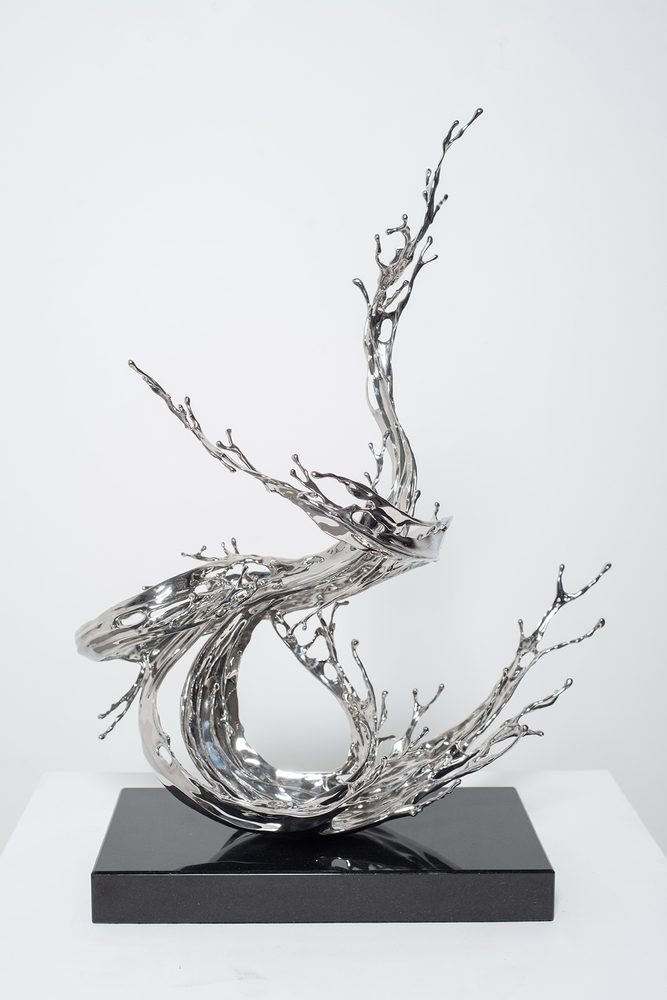
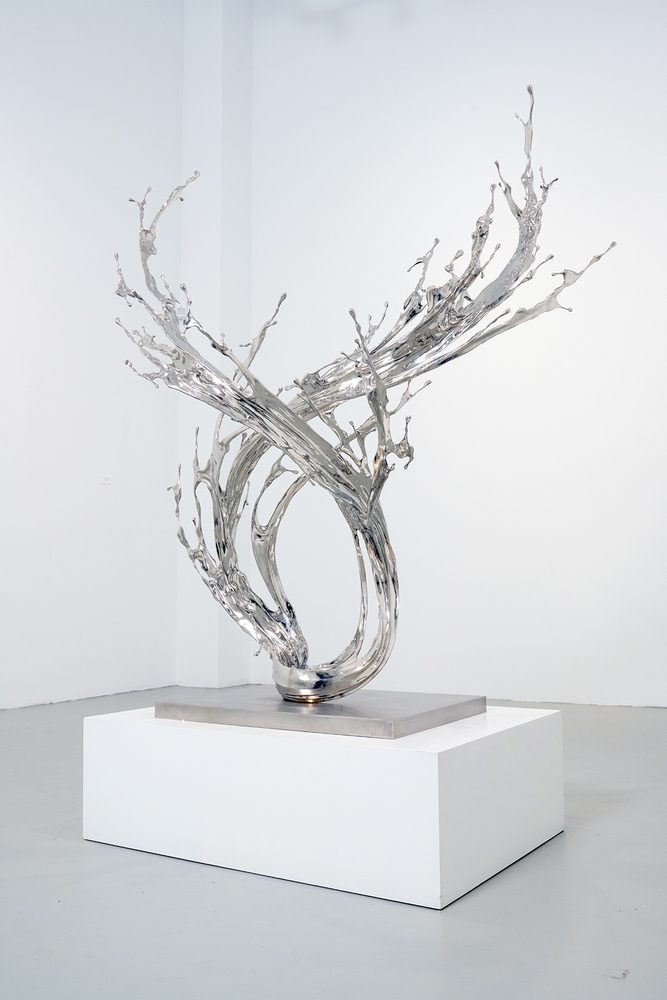
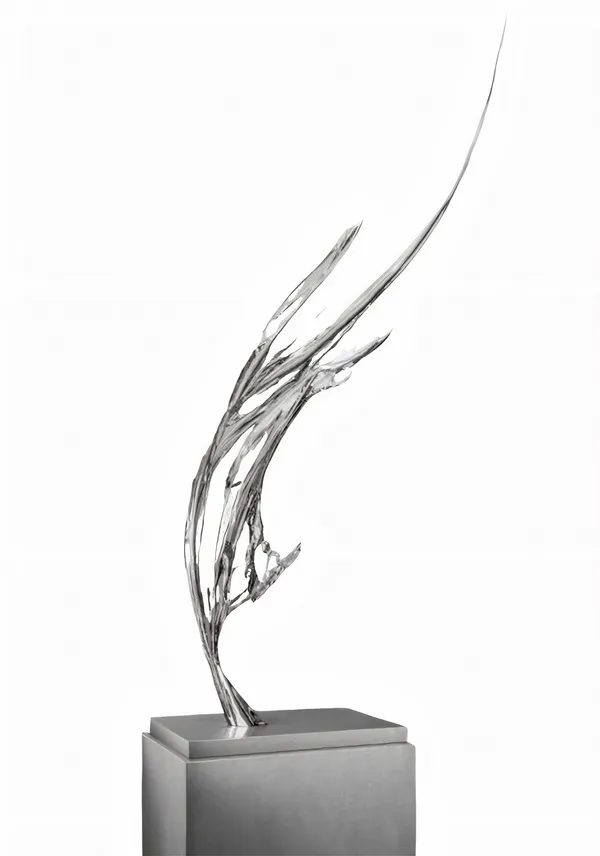
A sculptor who translates the movement of water into metal: structures assembled from thousands of welded characters freeze in the moment of a splash.
- Path — born in 1978 in Chifeng (Inner Mongolia); graduated from the sculpture department of the Lu Xun Academy of Fine Arts in 2003 and completed an MFA in the sculpture department of CAFA in 2007; in 2006 he was a resident at the École Nationale Supérieure des Beaux-Arts in Paris on an LVMH scholarship for young artists.
- Material and method — stainless steel; the sculptures are assembled from thousands of welded Chinese characters taken from classical texts; the “淋漓” series (Water in Dripping) conveys water in motion.
- Public works — “Undercurrent” (2023), about 6 metres high, installed next to the UN headquarters in New York; a large work stands at the National Centre for the Performing Arts in Beijing.
5. Zhan Wang — 展望 (Beijing, 1962)
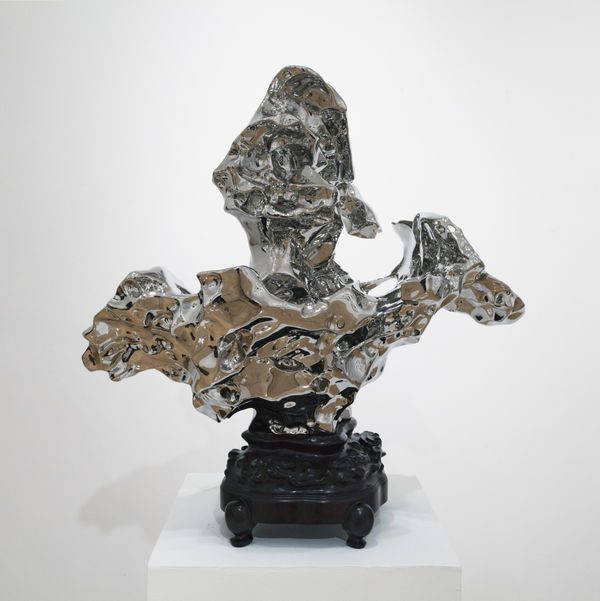
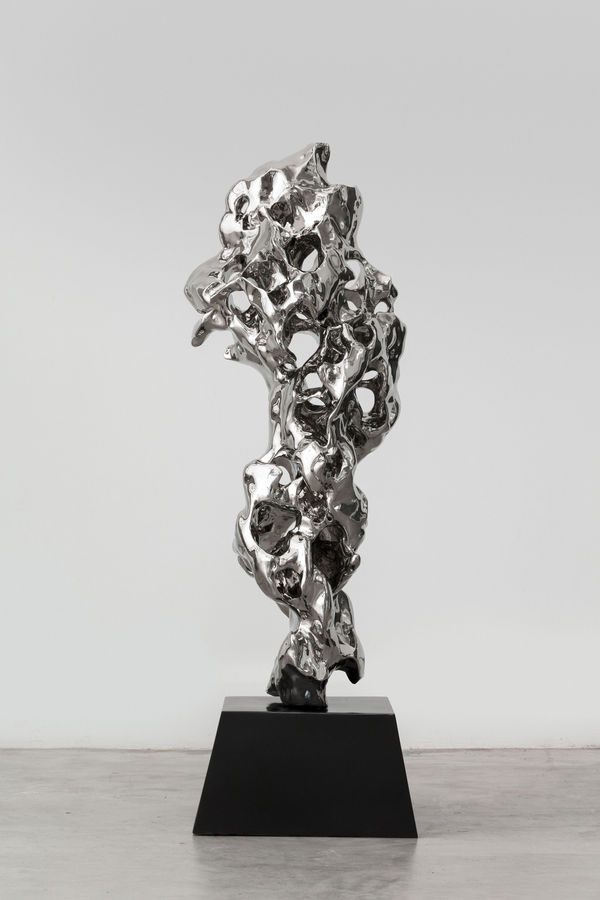
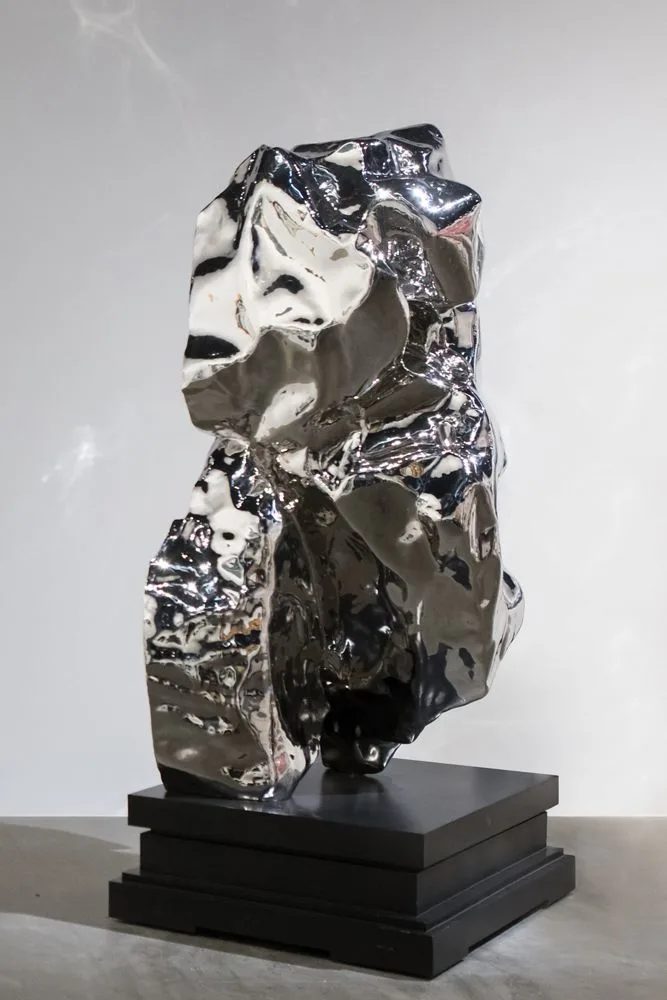
A sculptor who builds machines for making stone: from the mirrored stainless-steel “假山石” to the “造石机” and robotic carving of boulders.
- Path — born in December 1962 in Beijing; graduated from the Beijing School of Applied Arts in 1981, from the sculpture department of CAFA in 1988 and from its postgraduate course in 1996; teaches at CAFA.
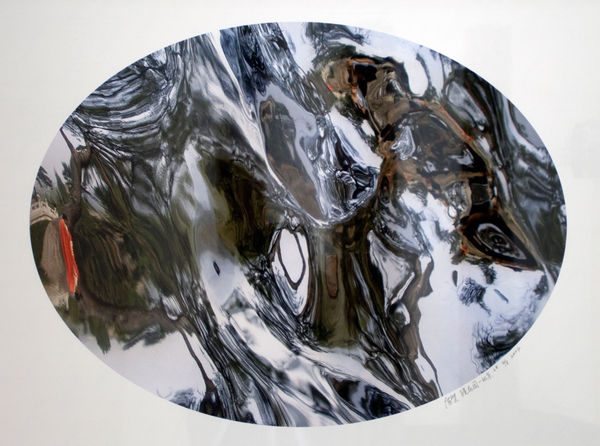
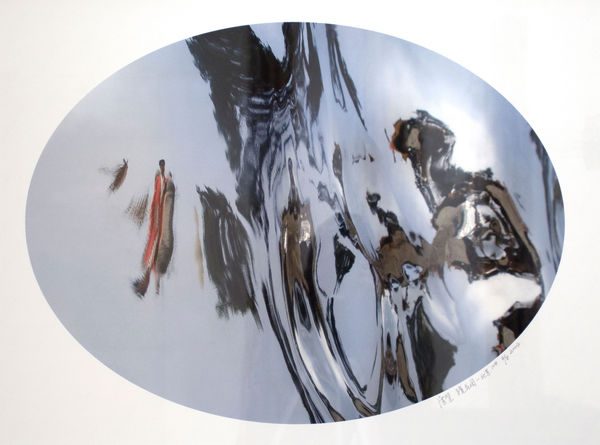
- “假山石” — since 1995 he has made stainless-steel copies of taihu scholar's rocks; in 2002 he received a patent for this method of working.
- Machine — “素园造石机——一小时等于一亿年” (2010, Today Art Museum, Beijing): a device with glazed windows imitates “wind, rain, waves, shocks, fire and sun” and reproduces the formation of stone in an hour.
- Robot — “Form in Flux” (2018): volcanic boulders are worked by robotic carving with digital modelling; it continues the line of “我的宇宙” (2011, UCCA), where a boulder was blown up and the process filmed with a high-speed camera.
6. Wang Jianwei — 汪建伟 (Suining, Sichuan, 1958)
An artist of installation, video and multimedia theatre: he understands art as a continuous “rehearsal” in which space and time are rebuilt before the viewer's eyes.
- Path — born in 1958 in the village of Suining (Sichuan province); studied at the Zhejiang Academy of Fine Arts (now the China Academy of Art), Hangzhou, in 1985–1987; taught at the Beijing Academy of Painting from 1989.
- 1997 — together with Feng Mengbo he became the first Chinese artist to take part in documenta (Kassel), showing the work “生产” (Production, 1997).
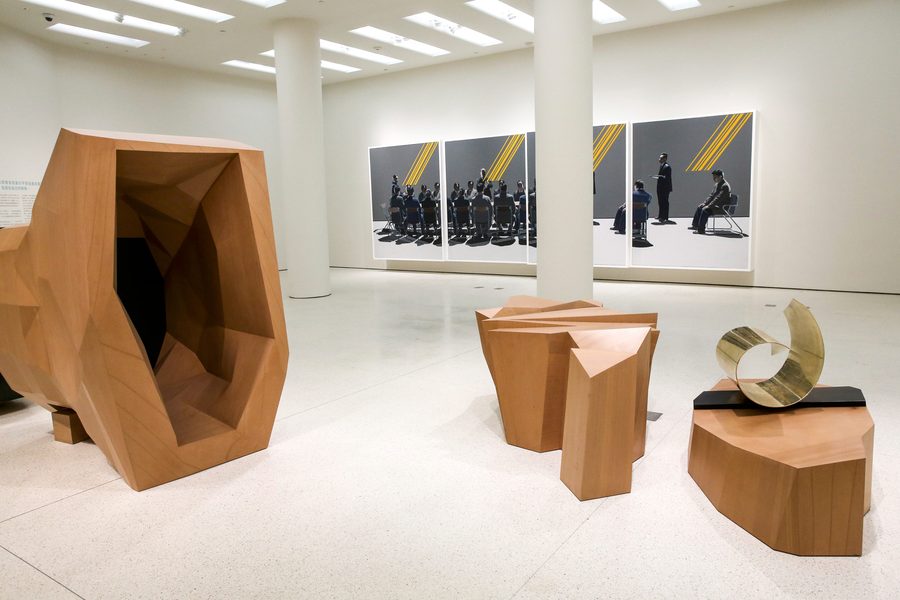
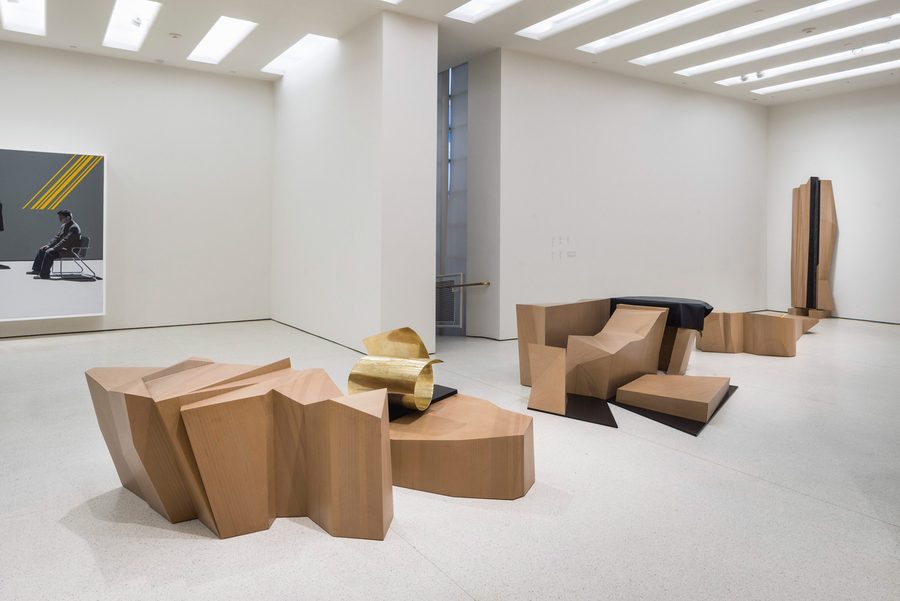
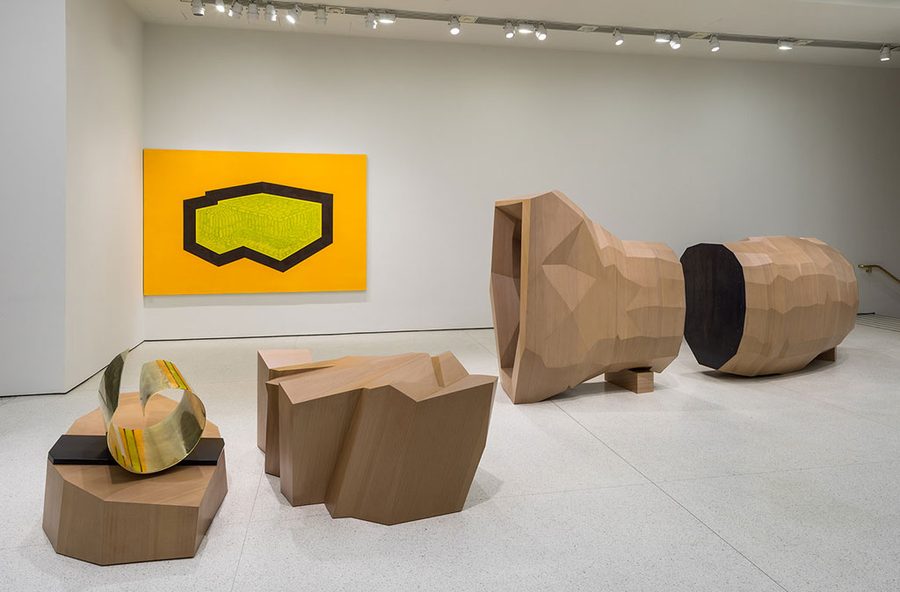
- Installation and theatre — “黄灯” (Yellow Signal, UCCA, 2011); “Time Temple” (2014, Guggenheim) — his first solo exhibition in North America: installation, painting, film and a theatrical production.
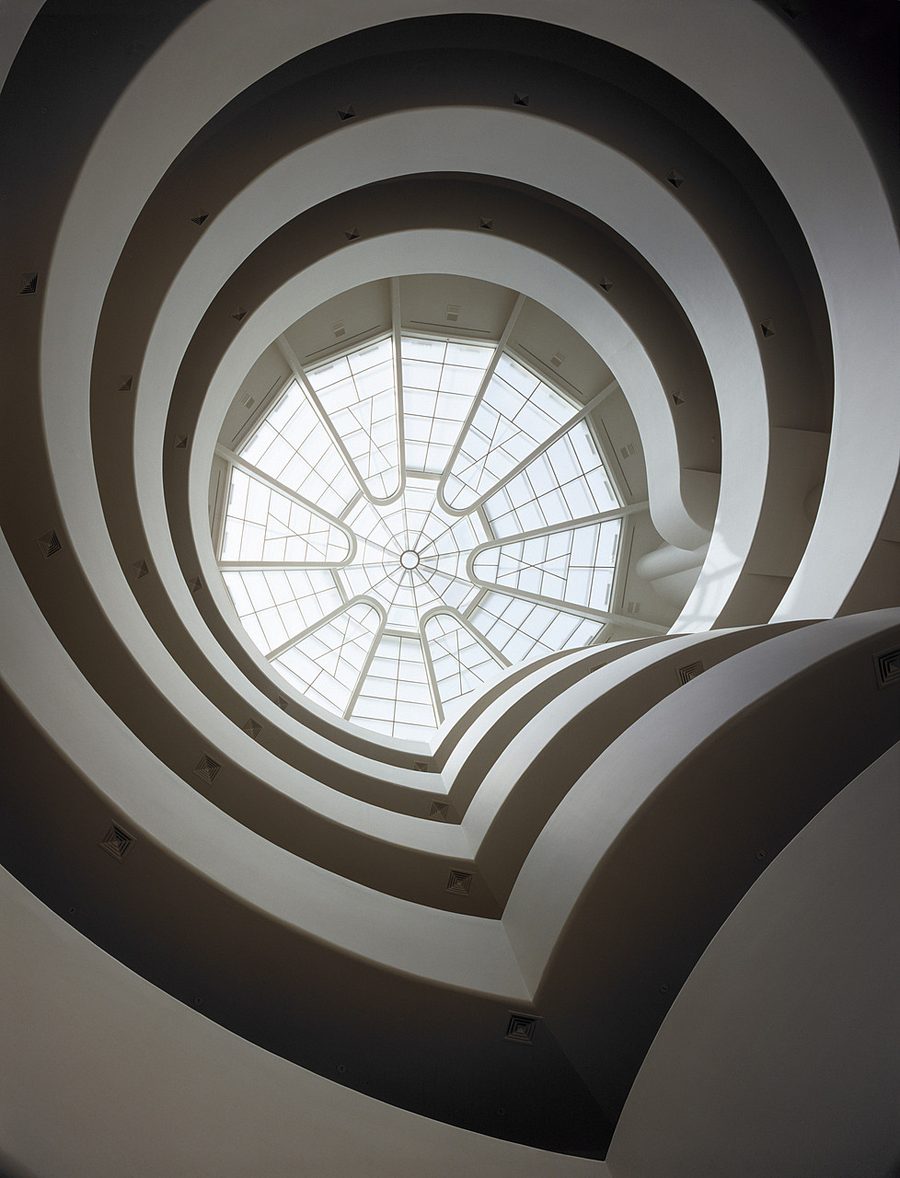
- “螺旋坡道图书馆” — Spiral Ramp Library (2015): a performance created by the artist's studio together with the Guggenheim Museum, combining dance, theatre, video, sound and installation.