survey_37 — lacquer, bamboo, paper
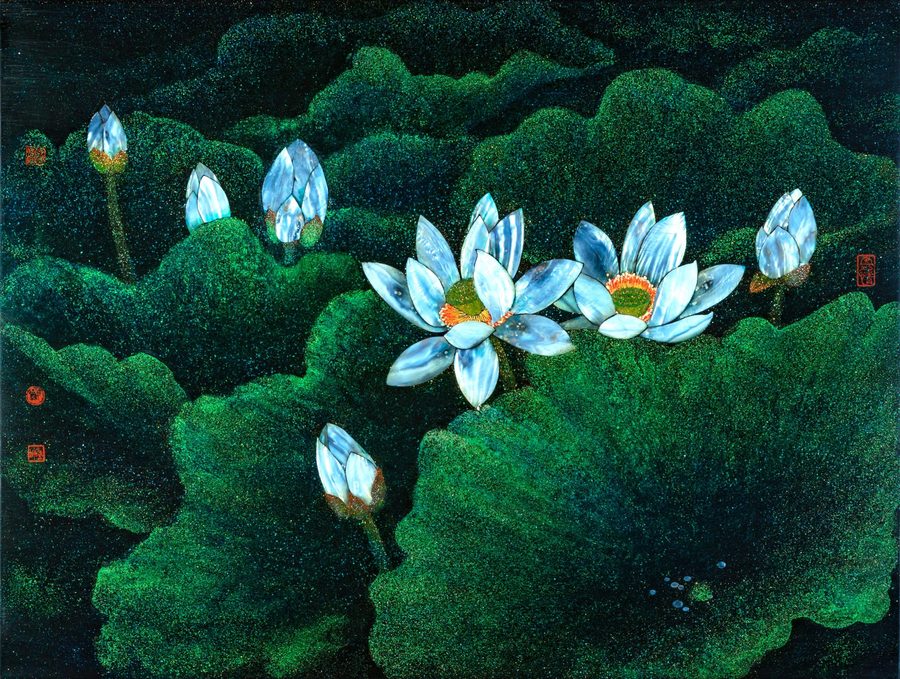
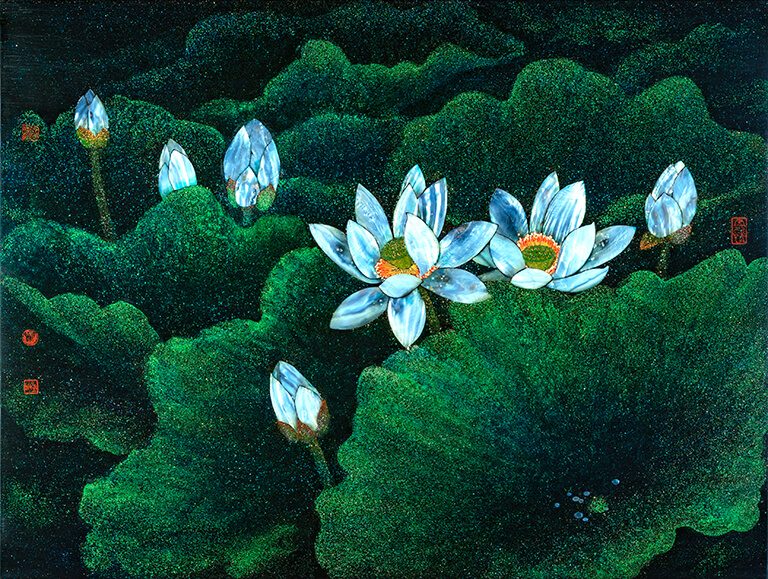
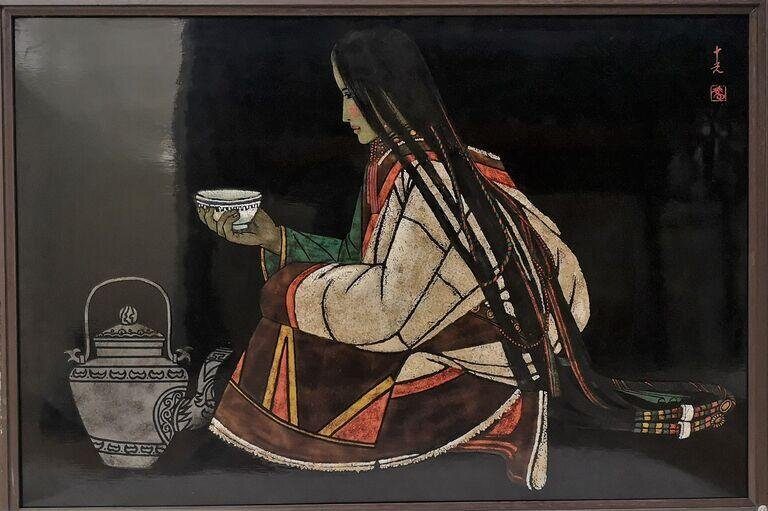
1. Qiao Shiguang — 乔十光 (Guantao, Hebei, 1937 — Beijing, 2022)
A lacquer painter, teacher and organiser: one of the founders of modern Chinese lacquer painting (qihua 漆画) and a professor at the Academy of Arts and Design, Tsinghua University.
- Path — born in January 1937 in Guantao county (Hebei province); his original name was 乔士光, and in his mature years he replaced “士” with “十” (in ancient pictography “十” means lacquer). In 1956 he entered the Central Academy of Arts and Crafts (now the Academy of Arts and Design, Tsinghua University), graduated from the mural faculty in 1961 and from 1961 to 1964 studied for a postgraduate degree in lacquer painting under Pang Xunqin.
- Fuzhou and teaching — in 1962, as part of a group from the Academy, he was sent to Fuzhou to study traditional lacquer technique; from 1964 to 2002 he taught in the department of decorative and applied arts (professor from 1987) and headed the lacquer workshop; in 1985 he was deputy dean of the faculty of special crafts.
- Organisations — chairman of the China Lacquer Painting Society (中国漆画研究会, 1990), chairman of the Beijing Lacquer Art Society (1987), vice-chairman of the lacquer painting committee of the China Artists Association (2001), chairman of the lacquer art committee of the China Society of Decorative and Applied Arts; a permanent member of the World Lacquer Culture Conference (1992).
- Method — he combined lacquer technique with painting: eggshell inlay, pouring lacquer (泼漆), gold-and-silver painting; he developed a method of polishing under a film of aluminium powder; his recognisable “水乡” model — black lacquer roofs, eggshell walls, silver water.
- Works and recognition — 《泼水节》 (Water-Sprinkling Festival; 2nd prize at the 5th National Art Exhibition, 1979, collection of the National Art Museum of China), 《青藏高原》 (Tibetan Plateau; silver prize at the 6th exhibition, 1984), 《江南水乡》 (1990, Fuji TV prize at the 26th Asian Exhibition), 《鱼米乡》 (1962, his first original lacquer painting); he edited the volume “Lacquer Painting” of the “Complete Collection of Modern Chinese Art” and the volume “Lacquer” of the “Complete Collection of Traditional Chinese Craft”, and is the author of the university textbook “漆艺”.
- Memory — he died on 9 June 2022 in Beijing; in 2021 a retrospective, “漆墨春秋 — 50 years of lacquer painting by Qiao Shiguang”, was held.
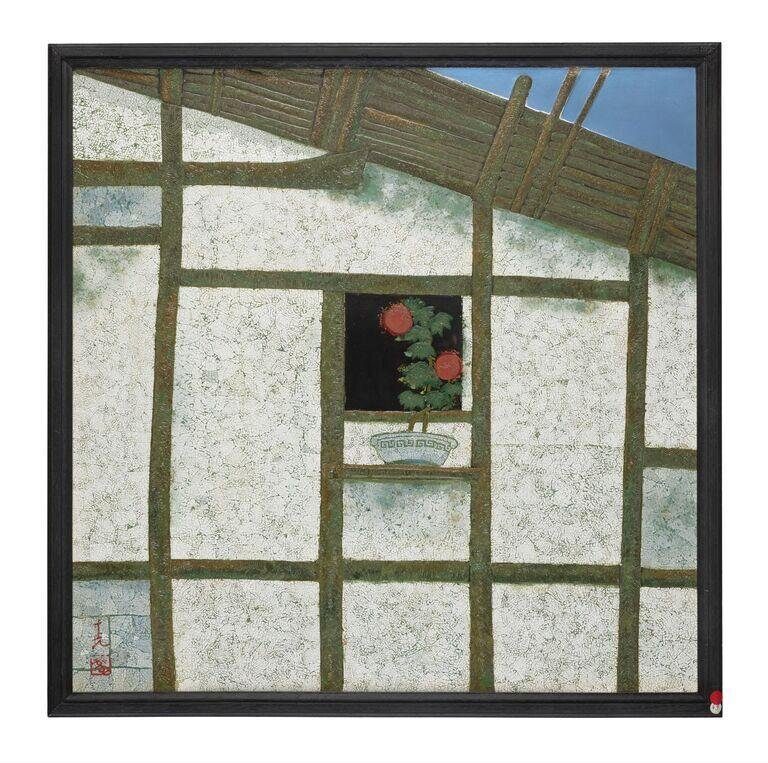
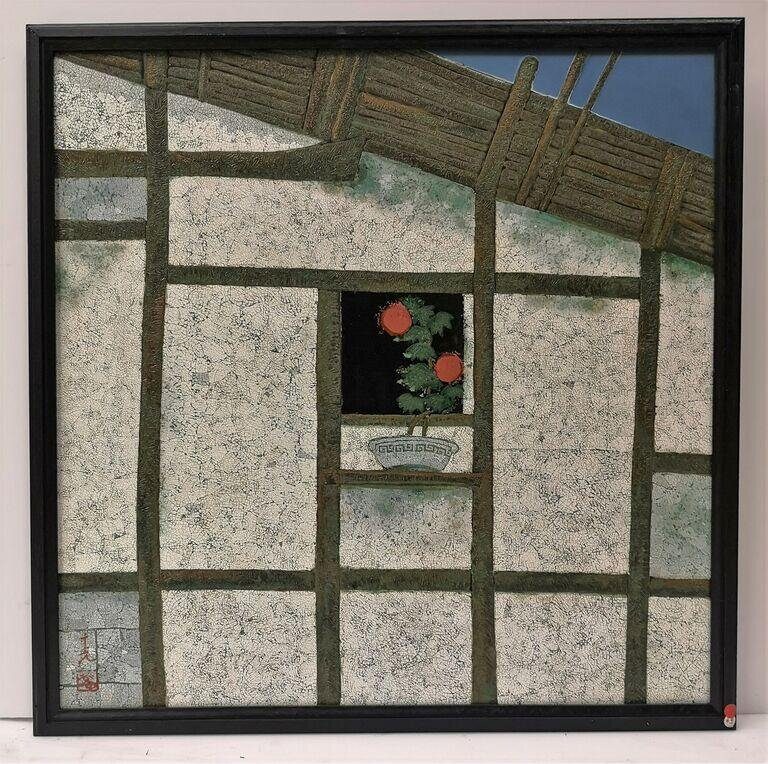
2. Gan Erke — 甘而可 (Huangshan (Tunxi), Anhui, 1955)
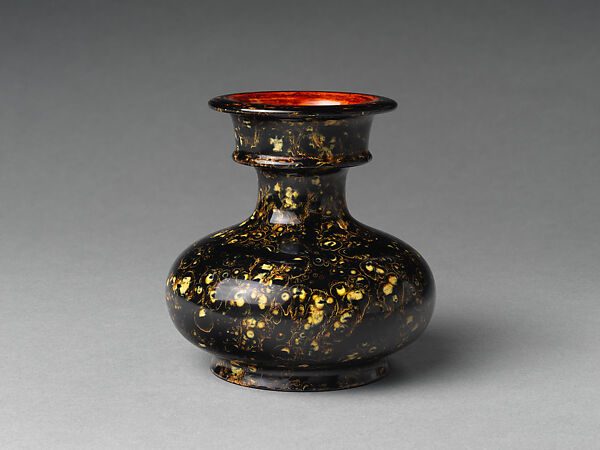
A master of art lacquerware: he revived the lost techniques of “xipiqi” (犀皮漆) and the lacquer inkstone, and is an inheritor of the national intangible heritage of Huizhou lacquer painting.
- Path — born in March 1955 in Huangshan (Tunxi district, Anhui province); as a young man he worked in carpentry, painting and carving. In 1979 he joined the Tunxi lacquerware factory (屯溪漆器工艺厂) and studied under Wang Fulin and Yu Jinhai; in 1985 he moved to the Tunxi Research Institute of Decorative and Applied Arts, where he mastered the full cycle: from moulding and framework to lacquering, carving, grinding and polishing.
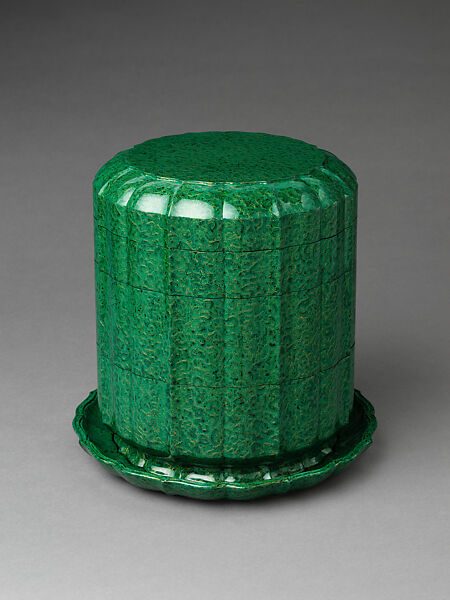
- Reviving techniques — in 1999 he gave up a profitable antiques trade and concentrated on making art lacquer; he restored the lost Huizhou techniques of “xipiqi” (犀皮漆, also known as 菠萝漆/虎皮漆) and the lacquer inkstone (漆砂砚). His first work was a green-and-gold “xipiqi” box (2004).
- Status — a representative of the third group of state inheritors of intangible cultural heritage for the project “漆器髹饰技艺 (徽州漆器髹饰技艺)” (No. Ⅷ-127); a master of decorative and applied arts of China and a recipient of a special state allowance from the State Council. In 2012 he founded the “而可漆艺工作室” workshop in Tunxi (Liyang Street) and teaches in the postgraduate programme of the China Academy of Art.
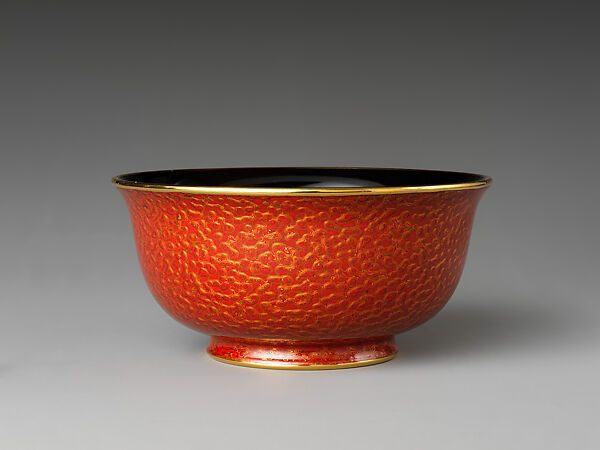
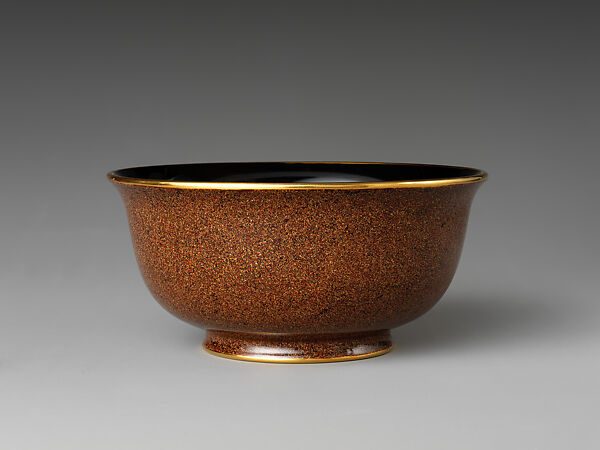
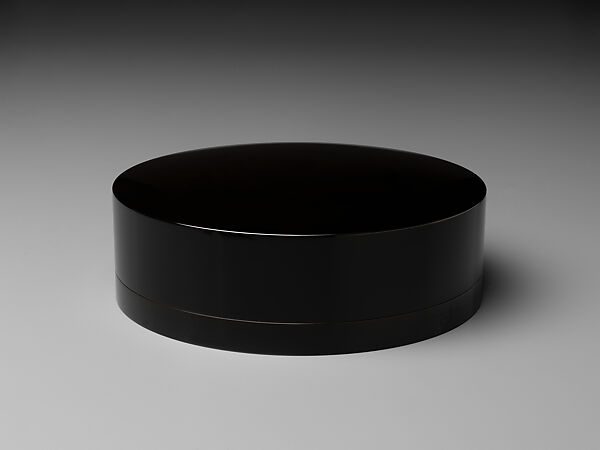
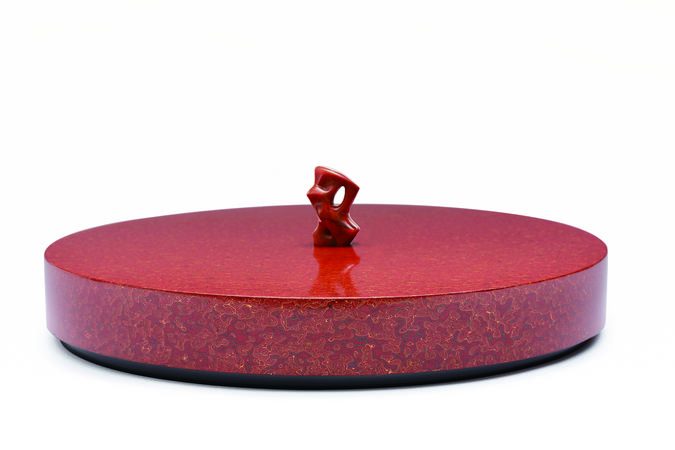
- Works in museums — 《红金斑犀皮漆大圆盒》 — the Palace Museum, Beijing (2011); 《黑金斑犀皮漆六方大瓶》 (2018) and 《鹿角砂八棱净瓶》 (2009) — the National Museum of China; 《红金斑犀皮漆太湖石钮天地盖盒》 — the British Museum (2017); individual works — the Metropolitan Museum.
- Method — “do not draw, do not engrave, do not paint”: the technique of “打埝” (applying thick lacquer in dots), multi-layer lacquering, grinding and polishing to a mirror sheen; gold foil, ground coral, turquoise and horn dust are introduced into the lacquer mass to achieve “行云流水”, a pattern flowing like clouds and water.
3. Shen Kelong — 沈克龙 (Nanjing, 1964)
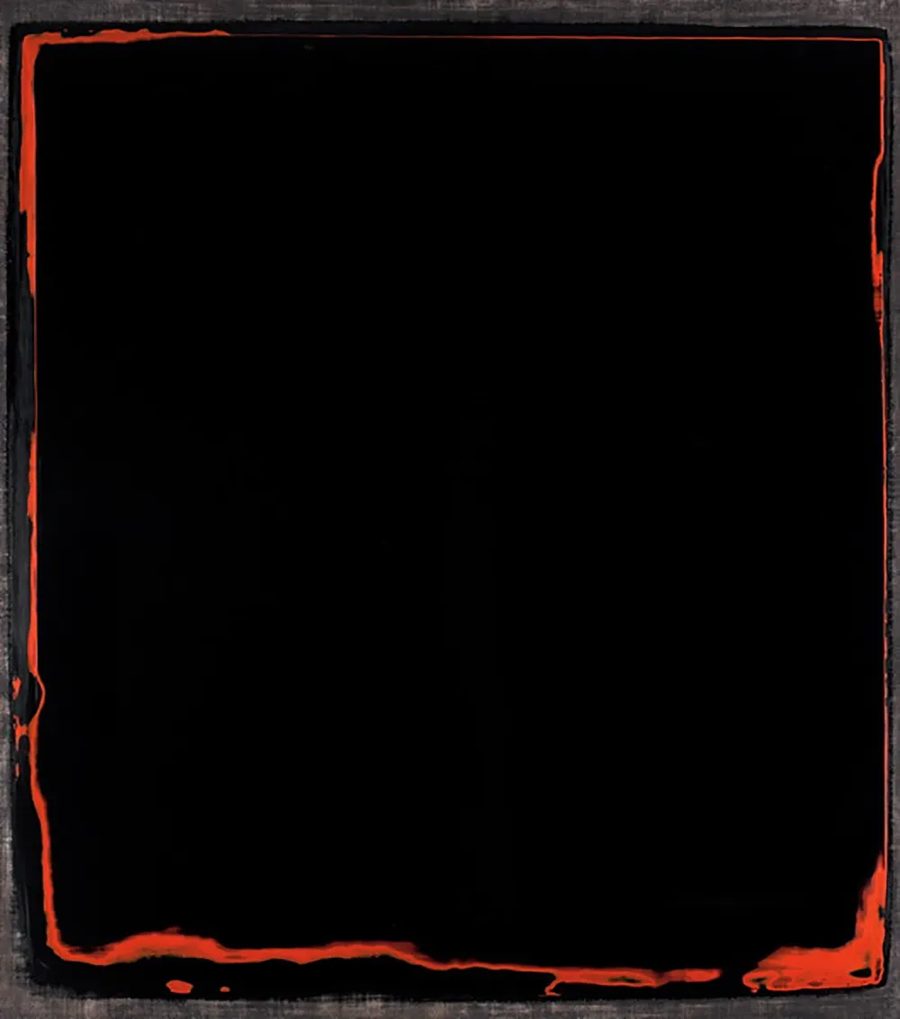
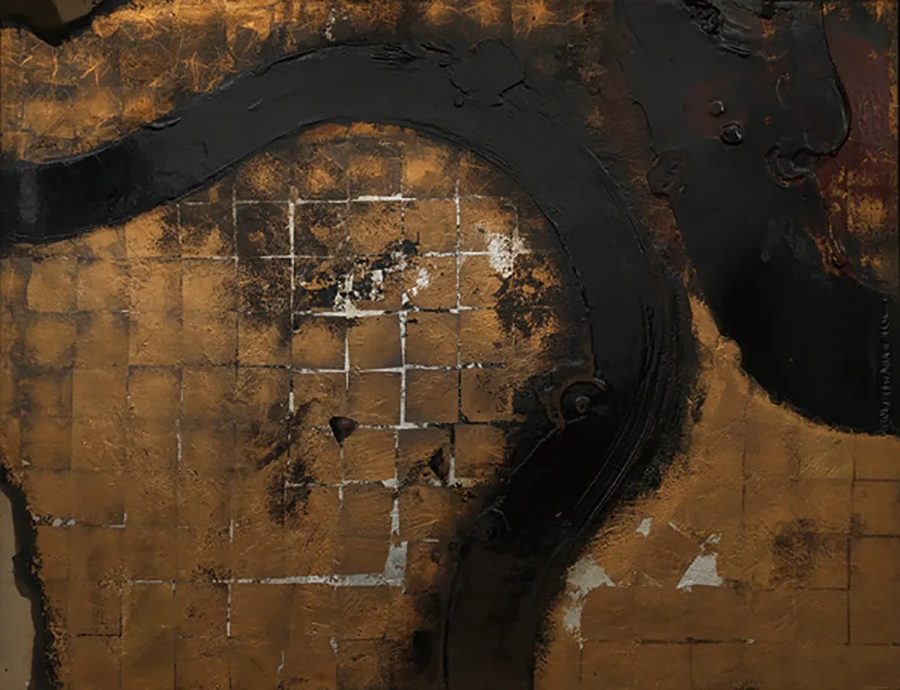
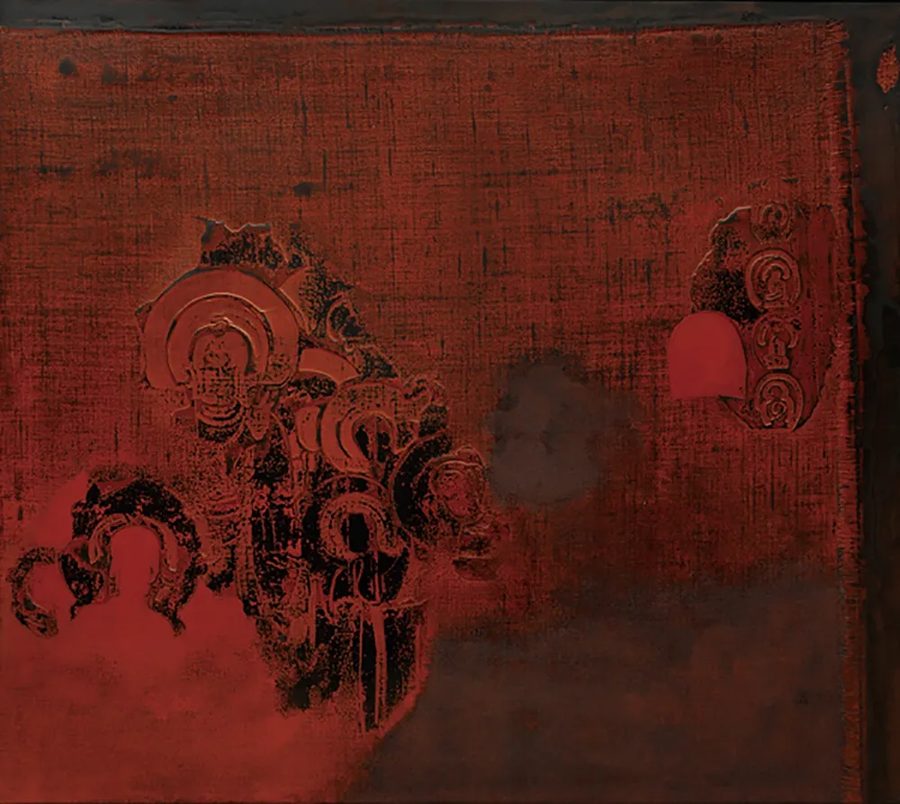
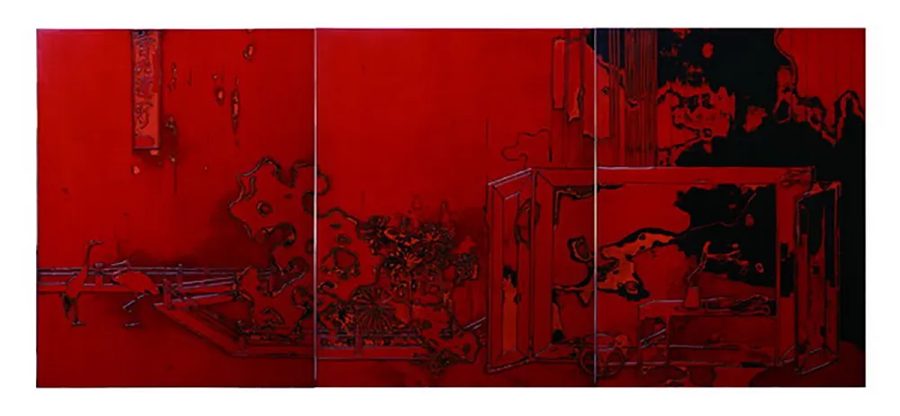
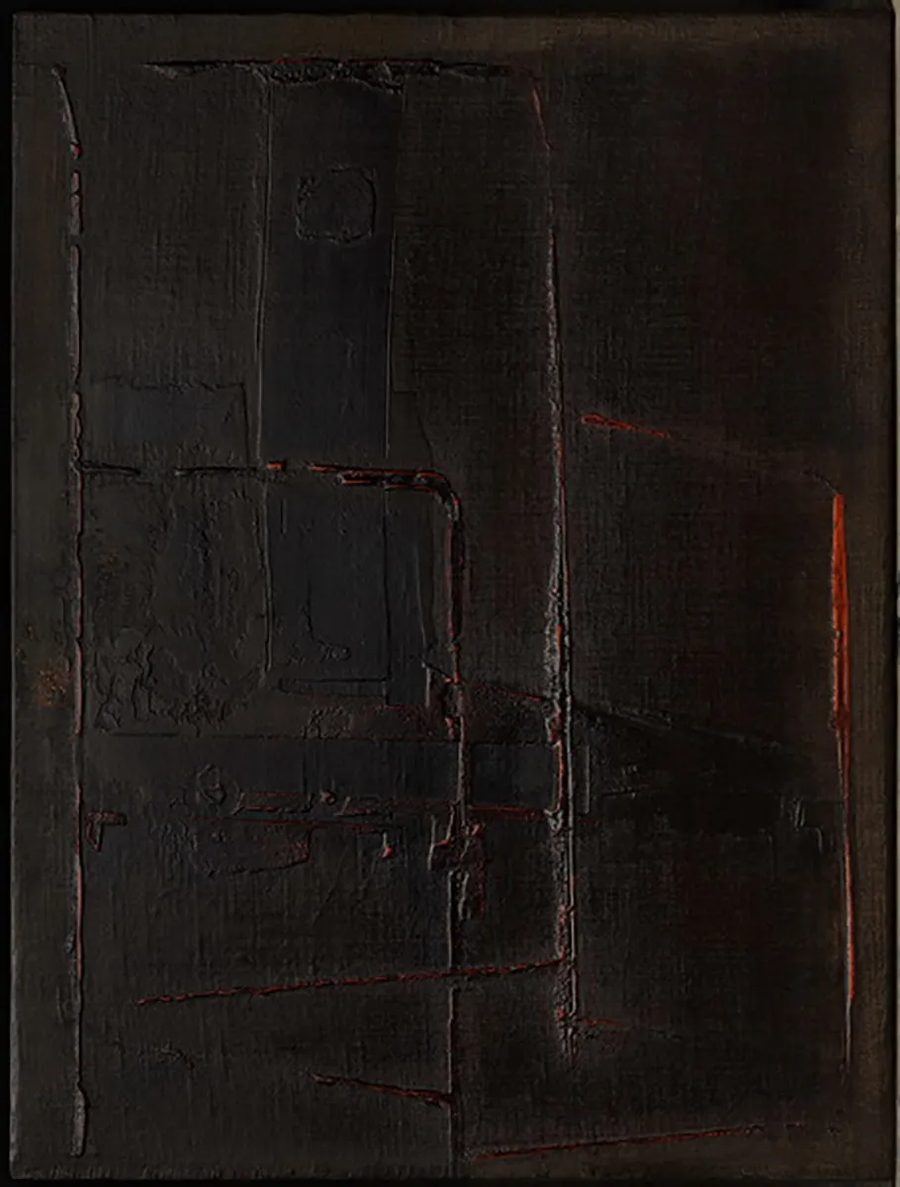
A lacquer artist: he has brought the language of classical and abstract art into lacquer and works in Fuzhou with large formats and big series.
- Path — born in April 1964 in Nanjing; his pen name is 一龙. In 1989 he graduated from the mural faculty of the Nanjing Institute of Art and moved to Fuzhou, where he lives and works; a professional artist and a member of the China Artists Association. In 1999 he founded his own workshop.
- Works and series — the series “观自在” (after the Dunhuang wall paintings), “壁上观”, “遗音”, “山系列” (Mountain); he works with wood, cloth and lacquer, creating large-format panels and objects that combine the South Chinese tradition with an Eastern “spiritual-abstract” expressiveness.
- Exhibitions — the First National Lacquer Painting Exhibition (2002), the 10th, 11th and 12th National Art Exhibitions, the Hubei International Lacquer Triennial (2010, 2016), the Fuzhou International Lacquer Art Biennale (2016), “智者创物” at the Taoxichuan museum of the Central Academy of Fine Arts (2018), “化境” (Fuzhou, 2016).
- Publications — the monograph “涉事 — 沈克龙大漆作品” (人民美术出版社, 2013).
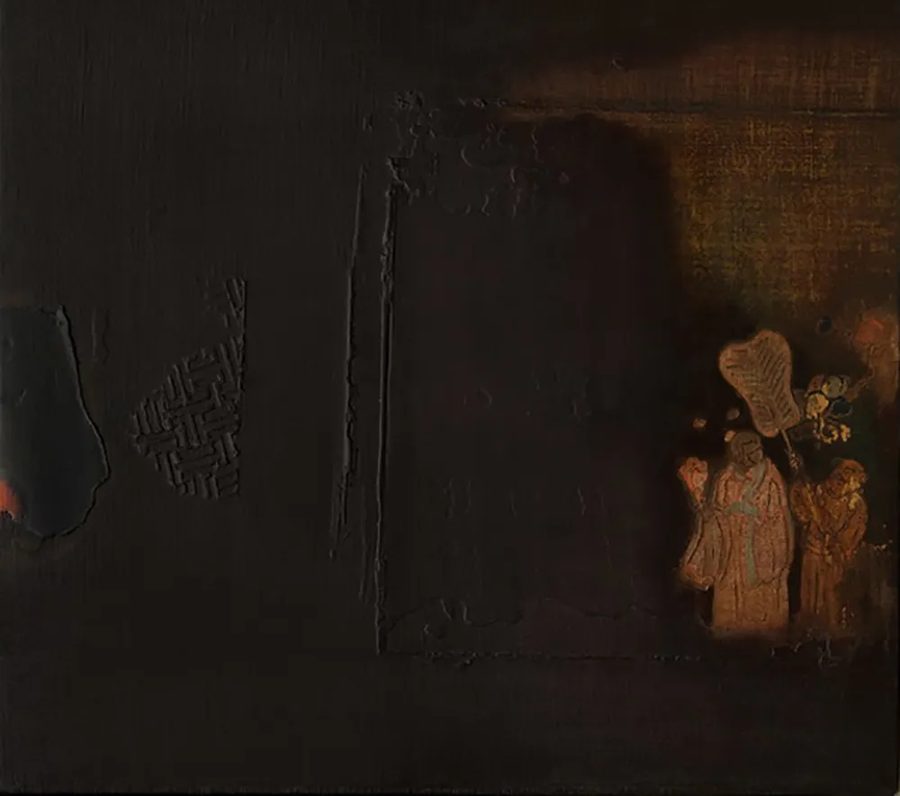
4. Zhong Sheng — 钟声 (—)
A lacquer art master, professor and head of the decorative art department at the Institute of Art and Design of Beijing University of Technology: he combines lacquered vessels, furniture and contemporary design.
- Path — holds a master's degree in lacquer art from the Academy of Arts and Design, Tsinghua University and Pai Chai University (培材大学) in Korea; professor at Beijing University of Technology (北京工业大学), head of the decorative art department and a master's supervisor; he has been in lacquer art for more than 30 years.
- Works — lacquered vessels, furniture and panels; “夏” (Summer; 2005, aluminium foil, raw lacquer, red, blue, green and black lacquer), “聚茗”; a separate project is the reconstruction of an antique lacquered “官皮箱” chest with mother-of-pearl inlay.
- Exhibitions — “智者创物” at the Taoxichuan museum of the Central Academy of Fine Arts (2018), “化境” (Fuzhou, 2016); represented in the Yuan Museum collection.
- Teaching — he gives the lecture course “髹漆之道 —漆艺创作漫谈” (Guangzhou Academy of Fine Arts, 2017); in December 2025 he held a masterclass, “Lacquer and Jewellery Art”, at Guangdong University of Technology.
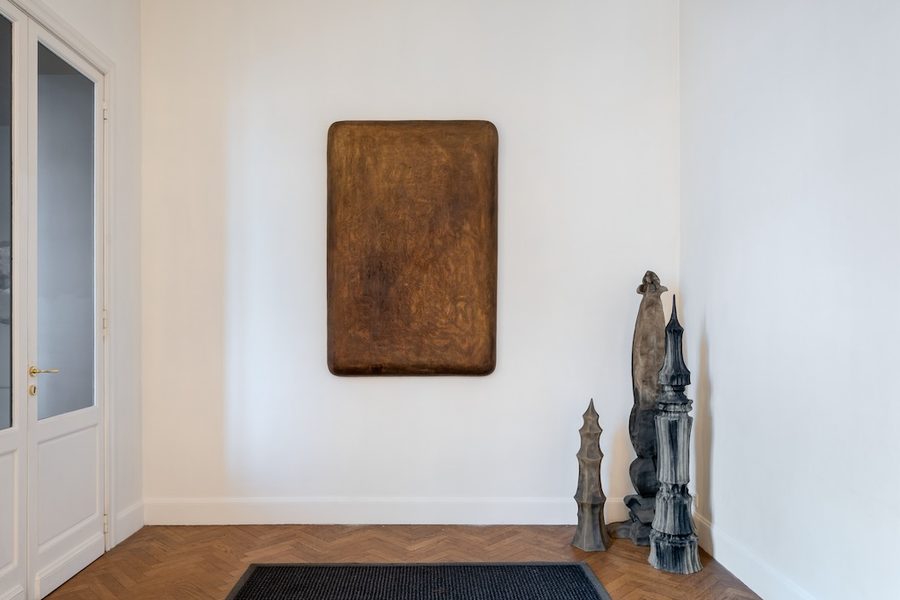
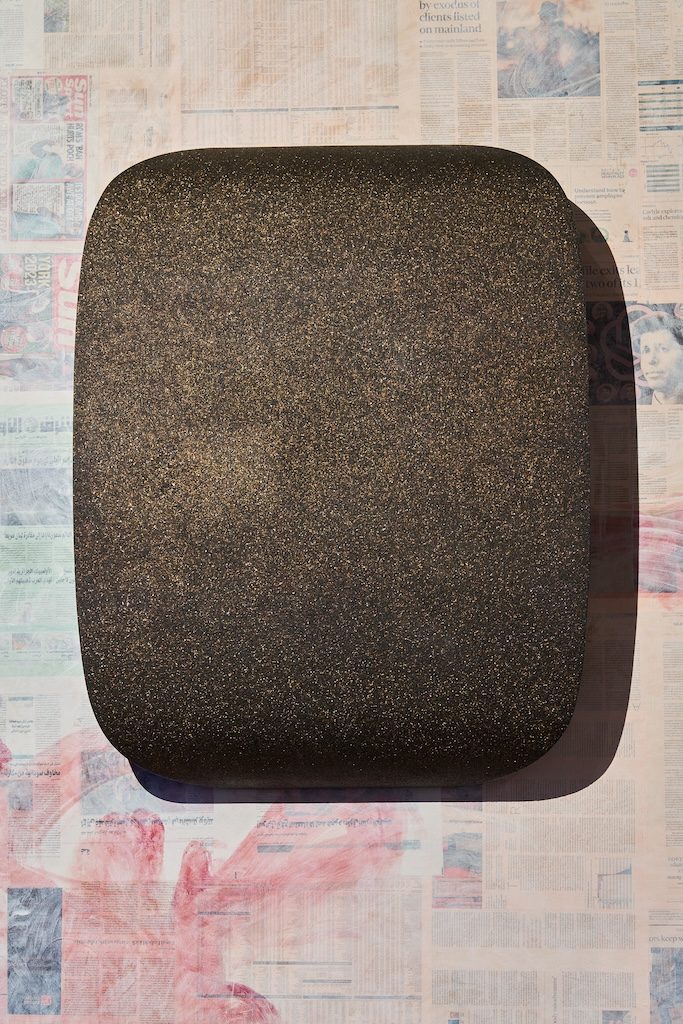
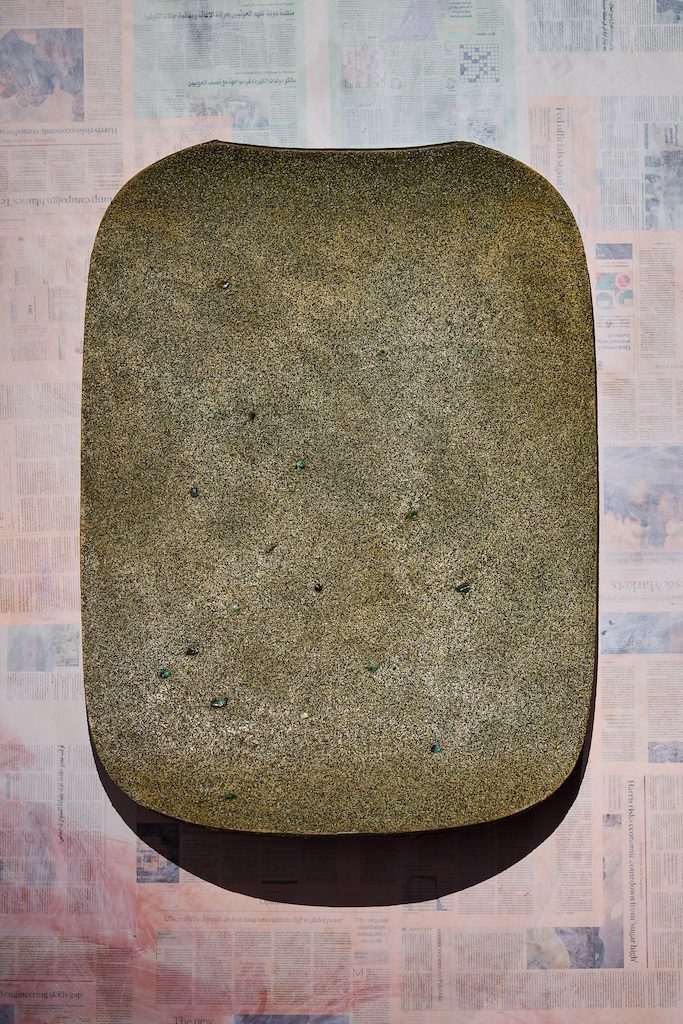
5. Zheng Yikun — 郑益坤 (Fuzhou, Fujian, 1936)
A master of lacquer painting and lacquerware: a classic of the Fuzhou school, he became famous for his lacquer “goldfish” and his revived needle-engraving technique.
- Path — born in 1936 in Fuzhou (Fujian province); in 1956 he entered the Fuzhou School of Decorative and Applied Arts (now attached to Minjiang University 闽江学院) and graduated in 1959. A pupil of the painter Chen Zifen and the lacquer master Li Zhiqing; he also studied under Gao Xiuquan and Pan Zhulan.
- Status — a master of decorative and applied arts of China (a title conferred in 1993); a representative of the national intangible heritage “Fuzhou bodiless lacquer technique 脱胎漆器”; awarded a national lifetime achievement in decorative and applied arts; he has served as vice-president of the Fuzhou Research Institute of Lacquerware and chairman of the Fuzhou Lacquer Painting Society.
- Method — he combined guohua with lacquer technique; he reintroduced the ancient needle engraving “针刻” (“锥画”) — carving the lacquer surface with a needle to produce a pattern of lines and dots; he improved the tool (sharpened triangular gravers) and developed the technique “漂漆浸渍法” (immersion in lacquer spread on water) and the lacquer film insert; he is the author of the Fuzhou “lacquer goldfish”, which the critic Wang Chaowen called “气死猫” (let the cats envy them).
- Works — in 1963 he created for the Fujian hall of the Great Hall of the People the panels 《闽江之夜》 and 《东海旭日》; in 1995 a large screen, 《凌波仙子》, for the same hall; “鱼水情”, “池中金鱼” (1990), “无暇” (1998), “八闽风物” (2002), the bodiless lacquer aquarium “乐在其中”.
- Recognition — 《静物》 (8th National Exhibition, 1994) — collection of the National Art Museum of China; 《蝴蝶兰》 (1986) — collection of the Museum of Oriental Art (former USSR); 《心愿》 — silver prize at the 9th National Exhibition (1999); 《春晴蝶舞》 (1984) — first prize of “A Hundred Flowers”; his works were shown in the exhibition “大匠之道” at the National Art Museum of China.