survey_48 — contemporary academic music
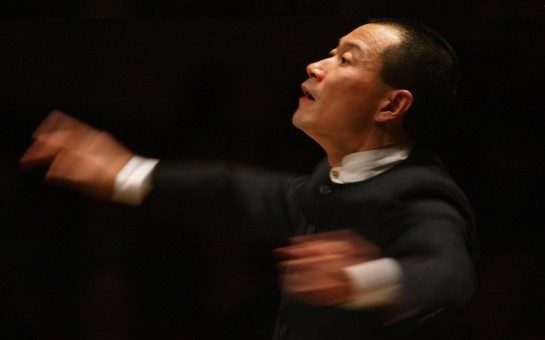
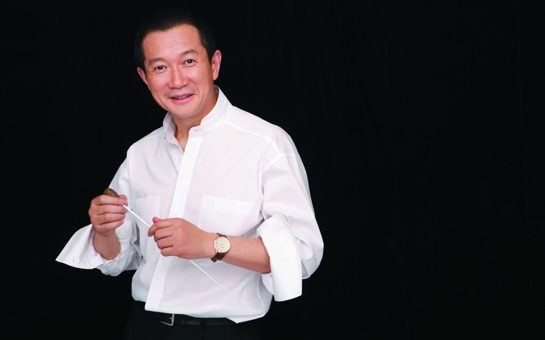
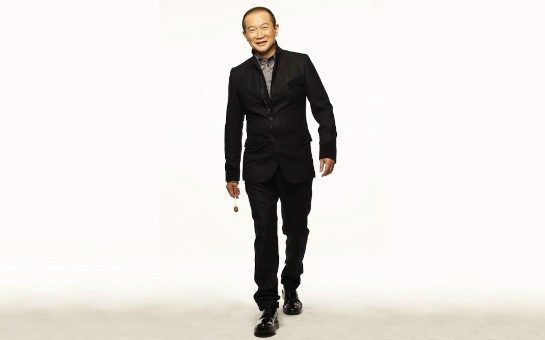
1. Tan Dun — 谭盾 (Hunan, 1957)
Composer and conductor; winner of an Academy Award and a Grammy, author of operas, orchestral, vocal and film scores, as well as works in the genres of “organic music” and “musical ritual”.
- Path — born on 18 August 1957 in Hunan Province; grew up during the Cultural Revolution; graduated from the Central Conservatory of Music in Beijing, then received a Doctor of Musical Arts (DMA) degree from Columbia University (1993). Since then he has worked in New York. On 1 July 2019 he was appointed dean of the conservatory of Bard College; in 2013 he became a UNESCO Goodwill Ambassador.
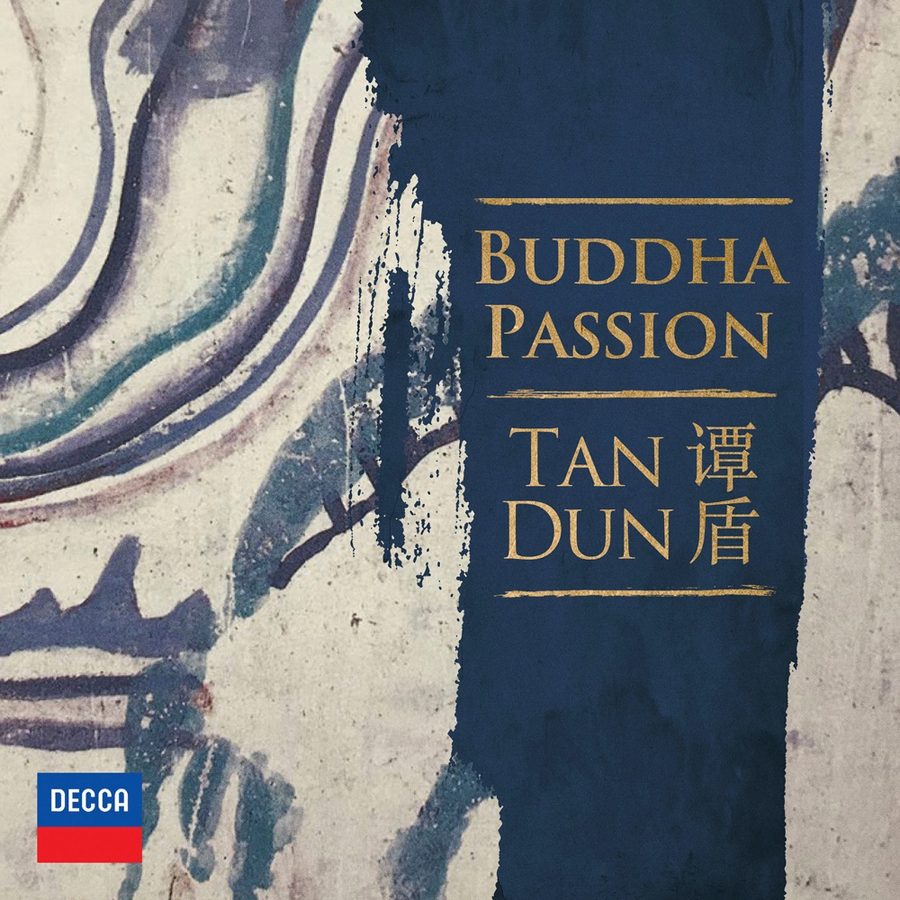
- Works — the operas “Nine Songs” (1989), “Marco Polo” (1996), “The First Emperor” (2006, staged at the Metropolitan Opera), “Tea” (2002), “Peony Pavilion”; “Water Passion after St. Matthew” (2000), “The Map” (for cello and orchestra; premiered by Yo-Yo Ma and the Boston Symphony Orchestra), “Buddha Passion” (2018), the “Internet Symphony” (commissioned by Google/YouTube) and the orchestral trilogy “Organic Music” (water, paper, ceramics).
- Recognition — the Grawemeyer Award for the opera “Marco Polo” (1998); an Oscar and a Grammy for the score to the film “Crouching Tiger, Hidden Dragon” (2000); the Bach Prize; the Shostakovich Prize; the Golden Lion of the Venice Biennale for lifetime achievement in art; Grammy nominations for “The First Emperor”, “Marco Polo” and the pipa concerto.
- Games and rituals — commissioned by the International Olympic Committee, he wrote the logo and award-ceremony music for the Beijing Olympic Games (2008); his recordings appear on Sony Classical, Deutsche Grammophon, EMI, Opus Arte, BIS and Naxos.
- Publisher and stage — his music is published by G. Schirmer, Inc., with worldwide representation by Wise Music Group; he has conducted the Royal Concertgebouw Orchestra, the London Symphony Orchestra, the Philadelphia Orchestra, the Metropolitan Opera Orchestra, the Orchestre National de France, the BBC Symphony Orchestra and the Filarmonica della Scala.
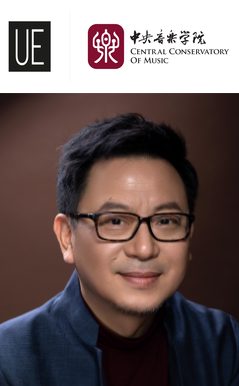
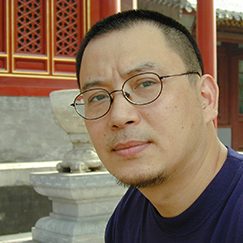
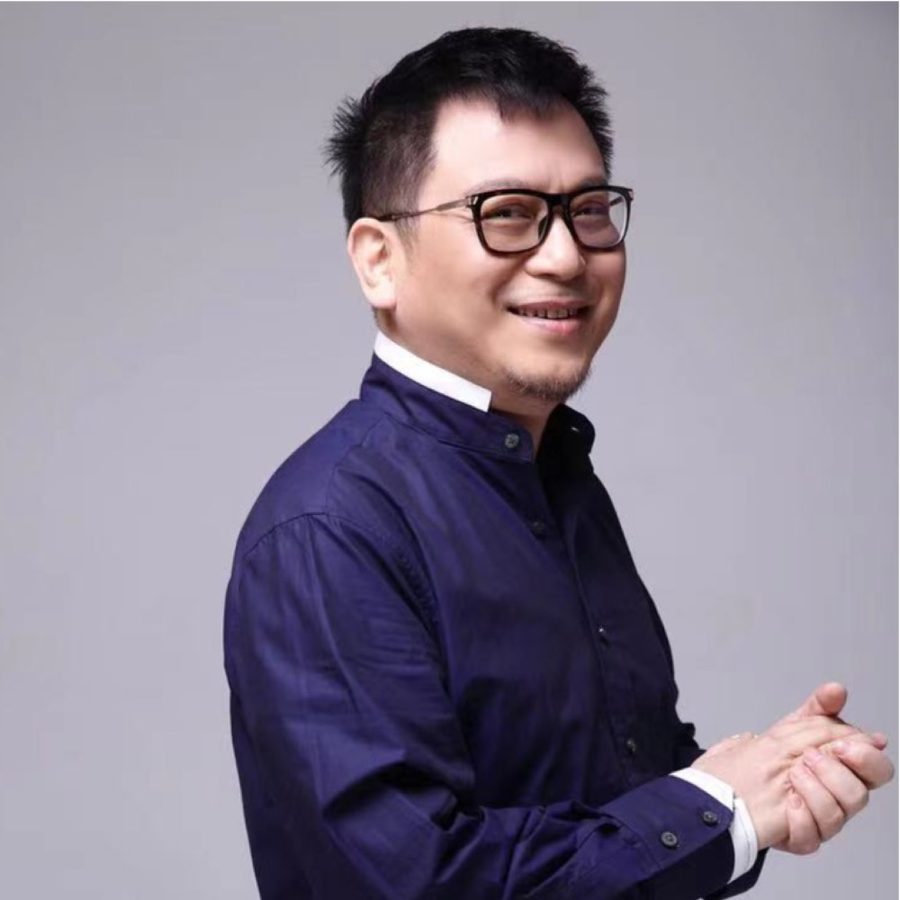
2. Guo Wenjing — 郭文景 (Chongqing, 1956)
Composer and teacher; professor at the Central Conservatory of Music in Beijing, author of operas, orchestral and chamber works that combine the Western classical tradition with the musical idioms of Sichuanese and Peking opera.
- Path — born on 1 February 1956 in Chongqing (Sichuan province); he was among the first post-“Cultural Revolution” intake of the Central Conservatory of Music in Beijing (the 1978 cohort); from this group of composers (which also included Tan Dun, Chen Yi and Zhou Long) he worked in China almost all his life, studying in New York only briefly on a scholarship from the Asian Cultural Council. For many years he headed the composition department of the Central Conservatory and remains on its faculty.
- Operas — the chamber operas 狂人日记 (Wolf Cub Village, 1994, after Lu Xun’s novella “A Madman’s Diary”; premiered at the Holland Festival) and 夜宴 (Night Banquet, 1998, for the Almeida Theatre in London); the operas 诗人李白 (Poet Li Bai, 2007) and 骆驼祥子 (Rickshaw Boy, after Lao She’s novel), staged at the National Centre for the Performing Arts of China.
- Works — the dizi concerto 愁空山 (Chou Kong Shan, op. 18 no. 2); the overture 御风万里 (Riding on the Wind, op. 27), written for the return of Hong Kong to China and first performed on 1 July 1997 in Hong Kong under Yu Long; the Symphony in B minor “Hero” (op. 39); three string quartets and more than 20 film scores.
- Stage and commissions — his works have been performed at festivals in Amsterdam, Berlin, Glasgow, Paris, Edinburgh, New York, Aspen, London, Turin, Perth, Huddersfield, Warsaw and Hong Kong; and in the Frankfurt Opera, the Berlin Konzerthaus, the Amsterdam Concertgebouw and New York’s Lincoln Center. His works were commissioned by the Holland Festival, Nieuw Ensemble, Kronos Quartet, Arditti Quartet, Ensemble Modern, the Gothenburg Symphony Orchestra, the Bavarian Radio Symphony Orchestra, the Hong Kong Philharmonic and the Singapore Symphony Orchestra; portrait concerts have taken place in Amsterdam, Rotterdam, Utrecht, Turin, Paris, New York and Edinburgh.
- Publishers — under contract to Casa Ricordi (Ricordi / Universal Music Publishing Classical); the first composer to sign with the Chinese publisher People’s Music Publishing House; international representation by Universal Edition (a cooperation programme with the Central Conservatory, 2023).
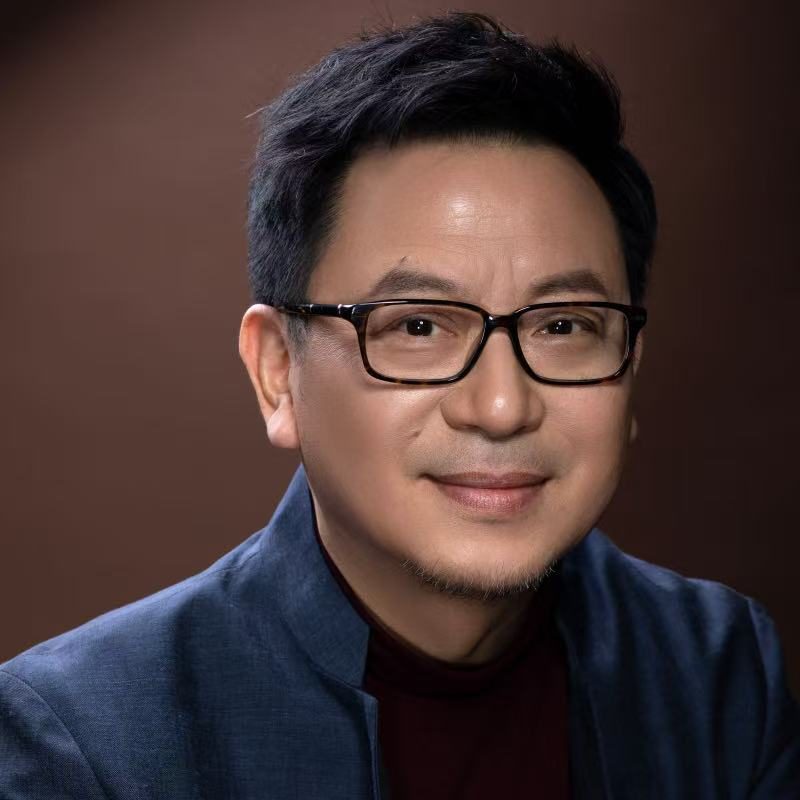
3. Chen Qigang — 陈其钢 (Shanghai, 1951)
Composer; he has lived in France since 1984 and was Olivier Messiaen’s last pupil; author of orchestral, vocal-symphonic and concerto works, and music director of the opening ceremony of the Beijing Olympic Games (2008).
- Path — born on 8 August 1951 in Shanghai; during the “Cultural Revolution” he spent three years in a barracks undergoing “ideological re-education” and taught himself composition. In 1977 he entered the composition class of the Central Conservatory of Music in Beijing (26 admitted out of two thousand); he studied with Luo Zhongrong; in 1983 he won a national competition and, as the only one in his discipline, received the right to study abroad.
- France — from 1984 to 1988 he was Olivier Messiaen’s last pupil; he also studied with Ivo Malec, Betsy Jolas, Claude Ballif and Jacques Castérède; he worked at IRCAM; he collaborated with the Ensemble Intercontemporain, the London Sinfonietta and Ensemble Modern; he has been a French citizen since 1992.
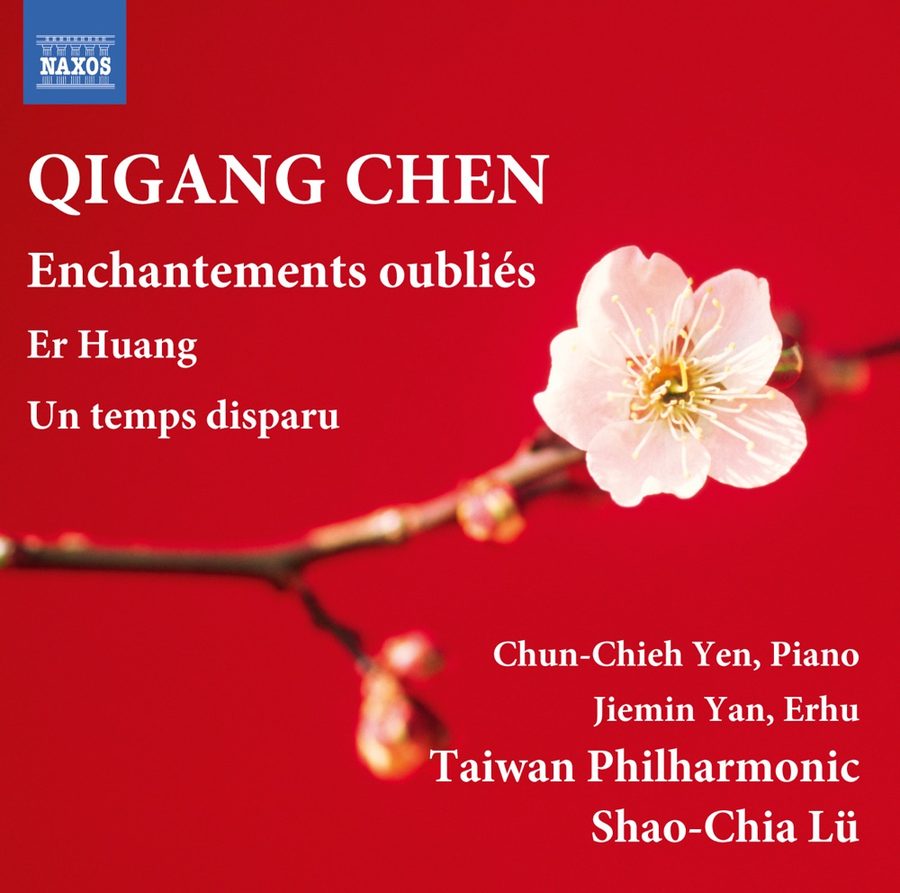
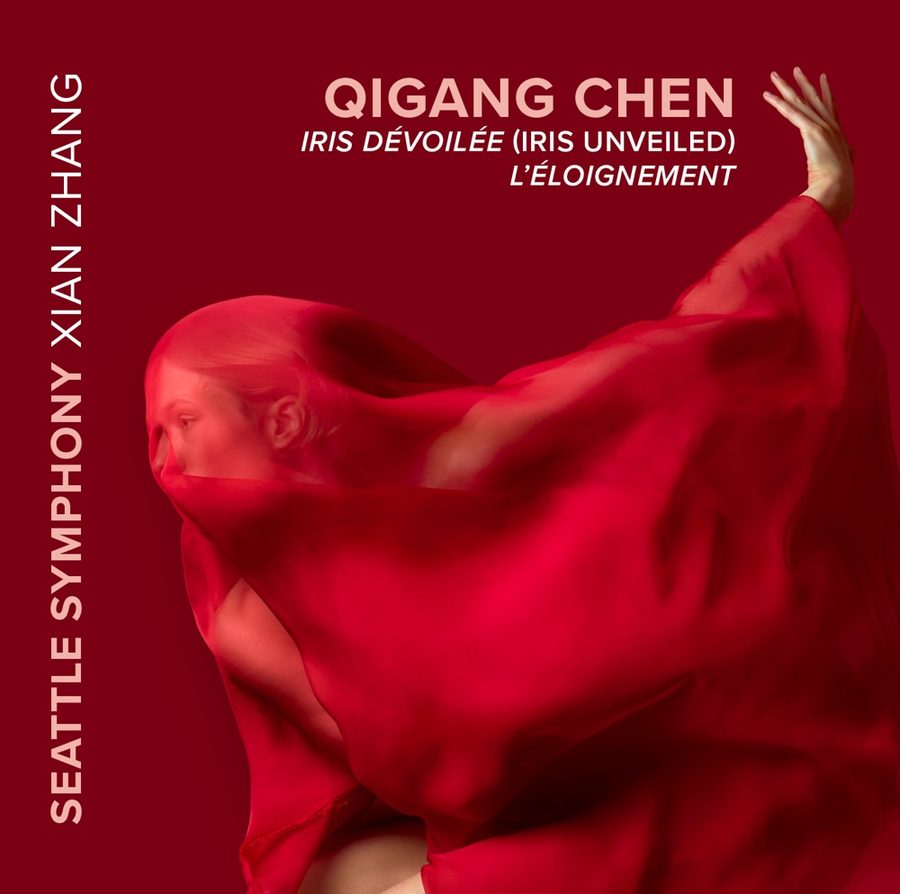
- Works — “Reflet d’un temps disparu” (cello and orchestra; first performed by Yo-Yo Ma and the Orchestre National de France), “Iris dévoilée” (three female voices, three traditional instruments and orchestra; commissioned by the Koussevitzky Music Foundation and Radio France), “Wu Xing” (The Five Elements, 1998–1999; commissioned by Radio France; a Masterprize finalist, London, 2001), “Extase” (oboe and orchestra), “Er Huang” (piano and orchestra), “La joie de la souffrance” (violin/cello and orchestra, 2017), 二黄 (piano concerto, 2009, commissioned by Carnegie Hall) and the ballet music 大红灯笼高高挂 (2000).
- Recognition — the SACEM Grand Prix for symphonic music (2005); the album “Extase” was honoured by the Académie Charles Cros (2006); music director of the opening ceremony of the Beijing Olympic Games (2008); composer-in-residence of the Shanghai Symphony Orchestra (2015–2016 season) and of the National Centre for the Performing Arts of China (2017–2018 season); “Artist of the Year” of the Beijing Music Festival (2017).
- Recordings and publishers — portrait albums have appeared on Virgin Classics/EMI, Naxos, BIS, Deutsche Grammophon and Seattle Symphony Media; his music was published by Gérard Billaudot Éditeur (Paris, 1985–2007), and since 2008 by Boosey & Hawkes; individual works by Éditions Durand.
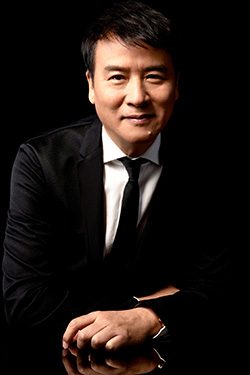
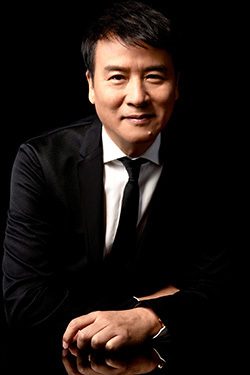
4. Ye Xiaogang — 叶小纲 (Shanghai, 1955)
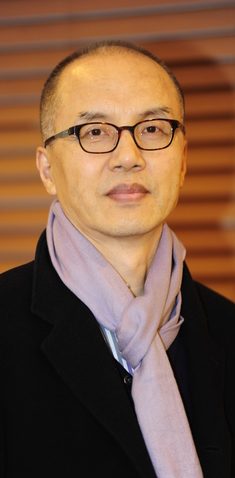
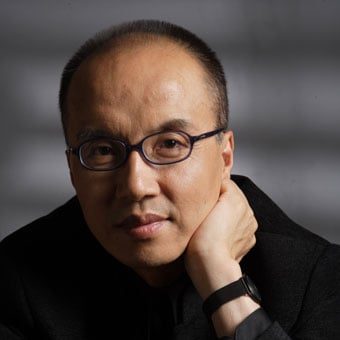
Composer; chairman of the Chinese Musicians’ Association, one of the leading authors of contemporary Chinese academic music, founder and artistic director of the Beijing Modern Music Festival.
- Path — born on 23 September 1955 in Shanghai into a musical family; he began piano at the age of four; during the “Cultural Revolution”, after school, he was sent to a factory, where he spent six years; from 1978 to 1983 he studied at the Central Conservatory of Music in Beijing under Du Mingxin, and after graduating became a composer-in-residence and teacher there; from 1987 he studied at the Eastman School of Music (USA) under Samuel Adler and Joseph Schwantner; his teachers also included Louis Andriessen and Alexander Goehr. Since 1993 he has divided his time between Beijing and Exton (Pennsylvania).
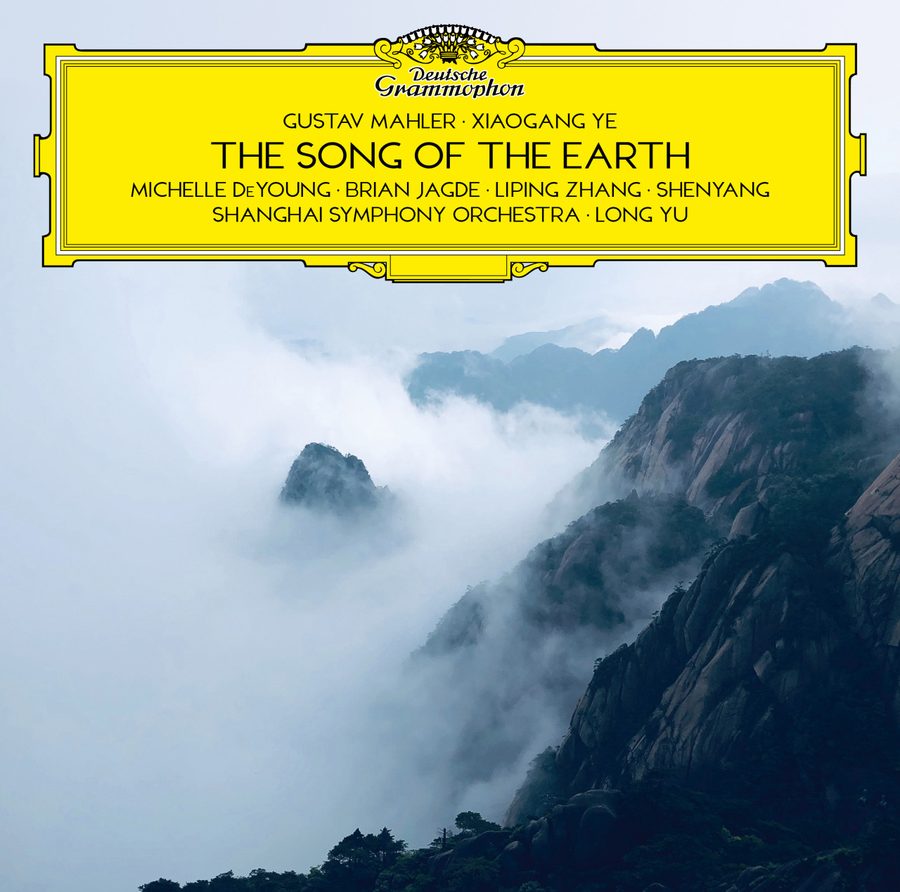
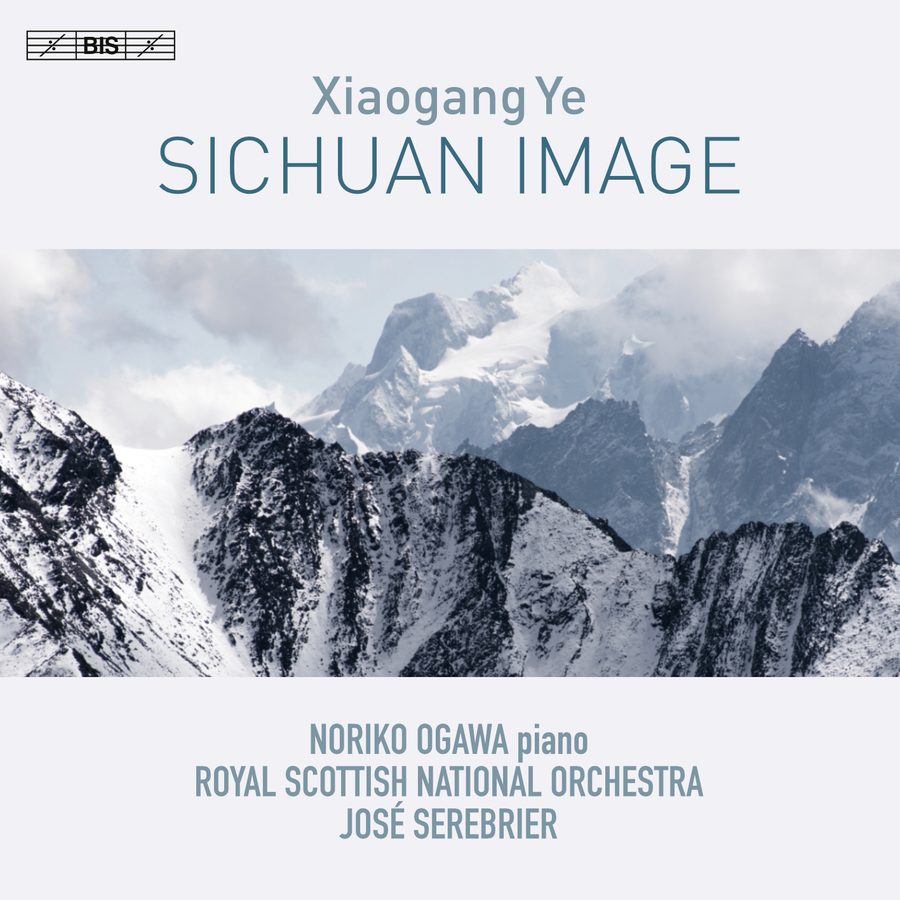
- Works — the vocal-symphonic “The Song of the Earth” (on the original Chinese texts that Mahler also drew on; premiered in January 2005), “Twilight of the Himalayas” (2013), “Mount Emei”, “The Last Paradise”, “Sichuan Image” (op. 70), the piano concerto “Starry Sky”, “Macao Bridge” and “Four Poems of Lingnan”; the cycle “Tropical Plants” (including “The Scent of Green Mango”); and music for more than 30 Chinese films and television series.
- Olympics and anniversaries — the piano concerto “Starry Sky” was performed by Lang Lang at the opening ceremony of the Beijing Olympic Games in August 2008; “The Song of the Earth” has been performed at Avery Fisher Hall in New York, the Munich Philharmonie, the Berlin Konzerthaus, and in Venice, Rome and Lucerne.
- Recognition — a Guggenheim Foundation fellowship (2012); the China Arts Award (2013); three Golden Rooster awards for best film music and a lifetime achievement award in film music; the Alexander Tcherepnin Prize (1982); a member of the American Academy of Arts and Sciences (since 2020).
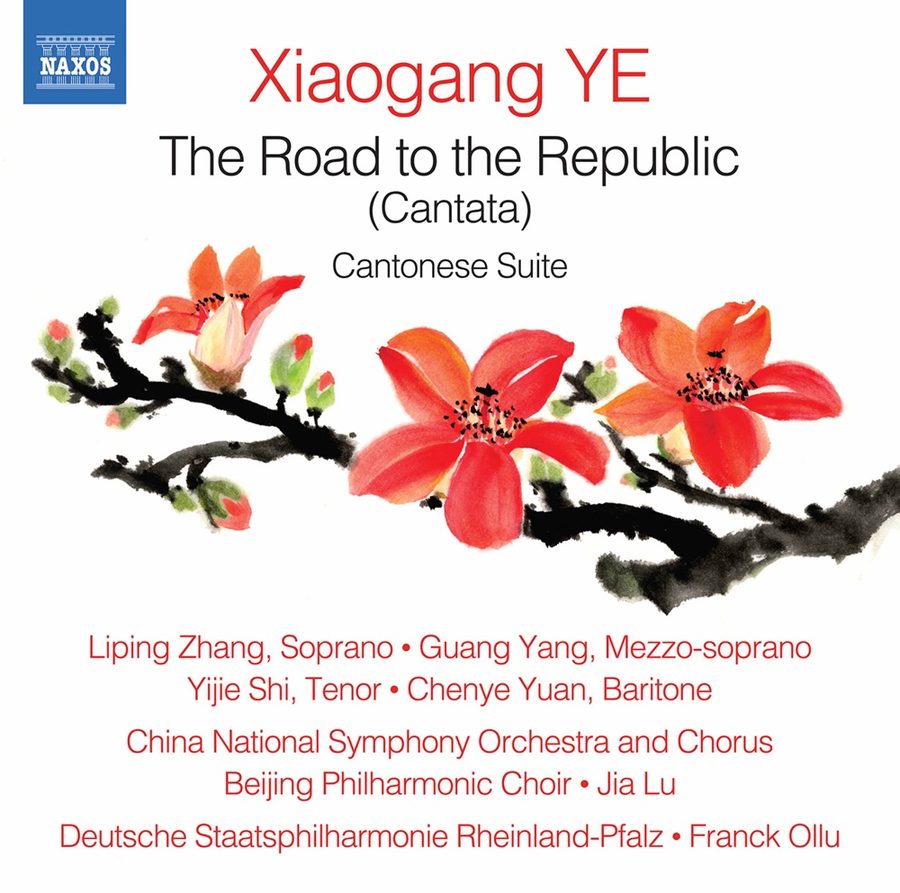
- Organisations and publisher — chairman of the Chinese Musicians’ Association, vice-chairman of the International Music Council, vice-chairman of the China Federation of Literary and Art Circles; professor at the Central Conservatory, visiting professor at the Shanghai and Xinghai conservatories, international chair in composition at the Royal College of Music in Manchester, first dean of the School of Music of the Chinese University of Hong Kong (Shenzhen); in 1995 he became the first Chinese composer to sign with the publisher Schott Music; since 2021 he has been artistic director of the Suzhouwan Theatre and Nine Trees Artistic Centre (Shanghai).
5. Zhou Long — 周龙 (Beijing, 1953)
Composer; winner of the Pulitzer Prize (2011) for the opera “Madame White Snake”, professor at the Conservatory of the University of Missouri–Kansas City.
- Path — born on 8 July 1953 in Beijing into a family connected with the arts; he began piano early; in 1977 he entered the Central Conservatory of Music in Beijing, and on graduating in 1983 became composer-in-residence of the China National Radio Symphony Orchestra; in 1985 he went to the USA on a scholarship to Columbia University, where he studied with Chou Wen-chung, Mario Davidovsky and Edwards and in 1993 received a Doctor of Musical Arts degree.
- Opera and recognition — his first opera, “Madame White Snake” (co-commissioned by Opera Boston and the Beijing Music Festival, premiered in 2010), brought him the Pulitzer Prize for Music (2011); the American Academy of Arts and Letters award (2003), the Elise L. Stoeger Prize of the Chamber Music Society of Lincoln Center, the Barlow Prize, a Grammy (1999) for the recording “Words of the Sun” (Teldec) and first prize in the Masterprize competition (1998) for “Two Poems from Tang”.
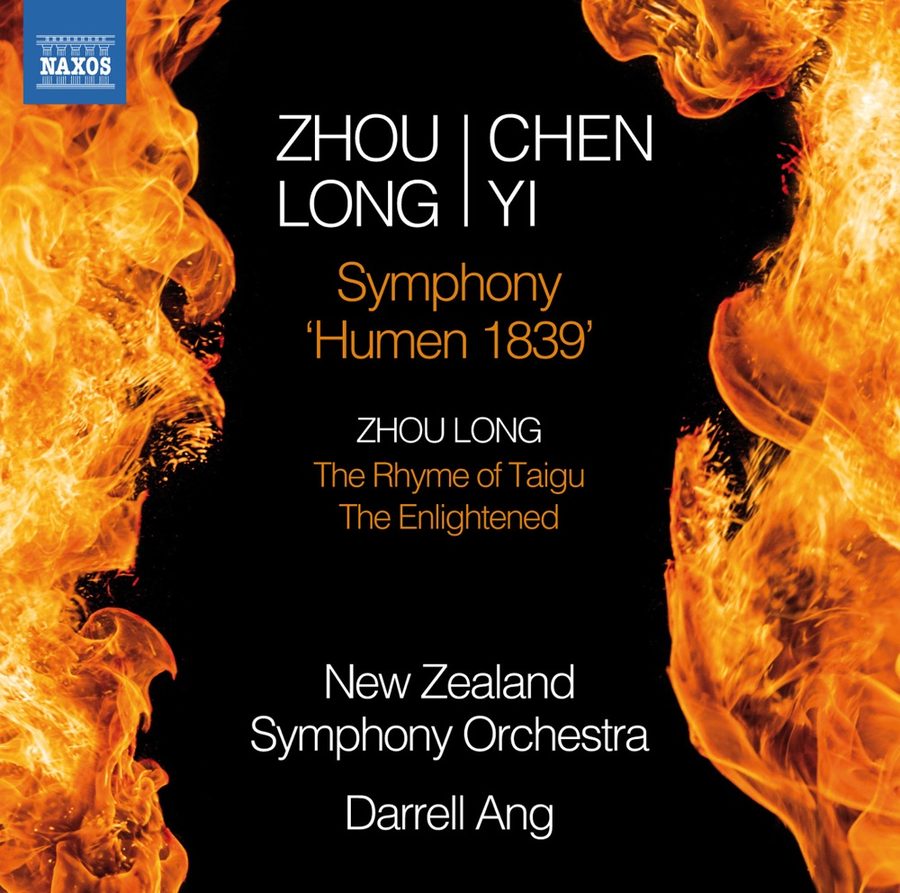
- Works — “The Rhyme of Taigu” (2003, commissioned by the Barlow Endowment and the Singapore Symphony Orchestra), “The Enlightened”, “The Deep, Deep Sea” (for Sharon Bezaly), a flute concerto, and the chamber pieces “Su”, “Pianogongs”, “Taiping Drum”, “Wild Grass”; the symphony “Humen 1839” (2009) was written together with Chen Yi on commission from the Guangzhou Symphony Orchestra and is dedicated to the burning of opium in 1839.
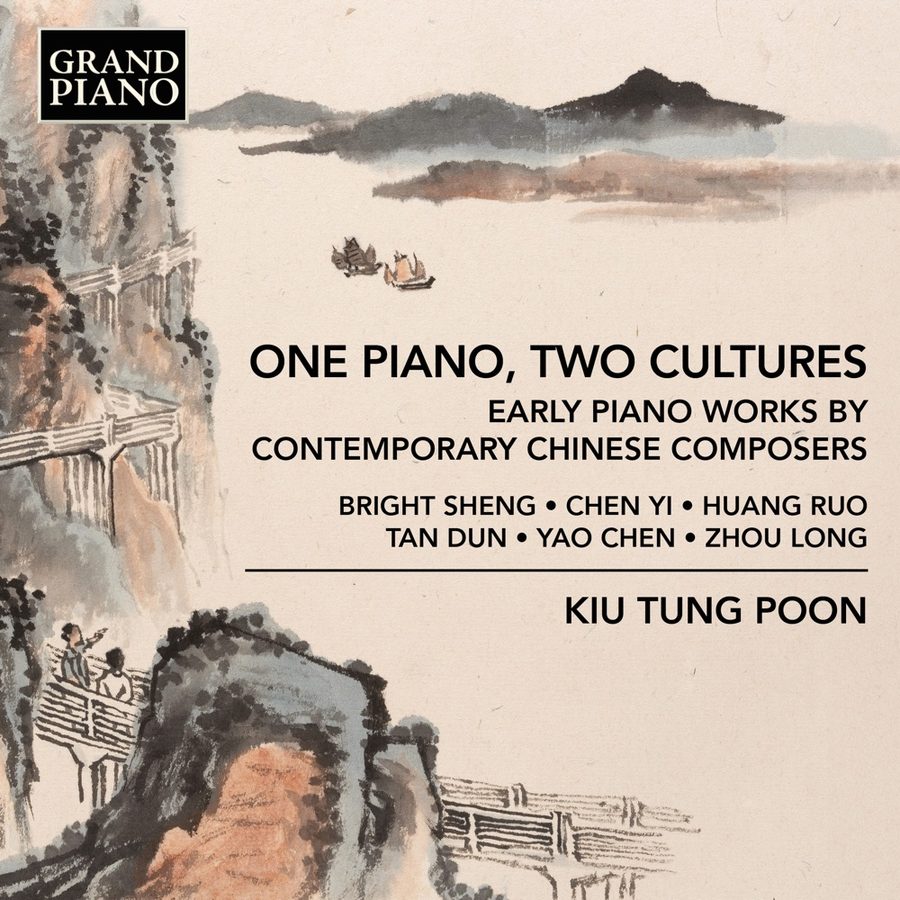
- Stage and performance — his music has been performed and recorded by orchestras and ensembles in various countries; recordings have appeared on Naxos, BIS, Delos, Grand Piano, Teldec and Cedille; he teaches at the Conservatory of the University of Missouri–Kansas City (Distinguished Professor).
- Publishers — his music is published mainly by Oxford University Press, and also by Theodore Presser Company (Presser-Carl Fischer) and the Shanghai Music Publishing House.

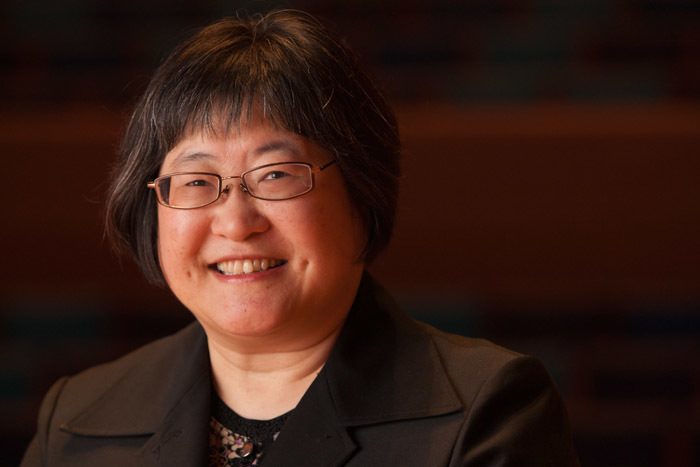
6. Chen Yi — 陈怡 (Guangzhou, 1953)
Composer and violinist; she combines Chinese and Western traditions; a recipient of the Charles Ives Living Award and the first woman to earn a master’s degree in composition at the Central Conservatory of Music in Beijing.
- Path — born on 4 April 1953 in Guangzhou; still a teenager, as a violinist she won the post of concertmaster of the orchestra of the Guangzhou Peking Opera Troupe, where she worked for eight years; she earned bachelor’s and master’s degrees in composition at the Central Conservatory of Music in Beijing (becoming the first woman to receive a master’s degree in composition there); she studied with Wu Zuqiang; in 1993 she received a Doctor of Musical Arts degree at Columbia University, where her mentors were Chou Wen-chung and Mario Davidovsky.
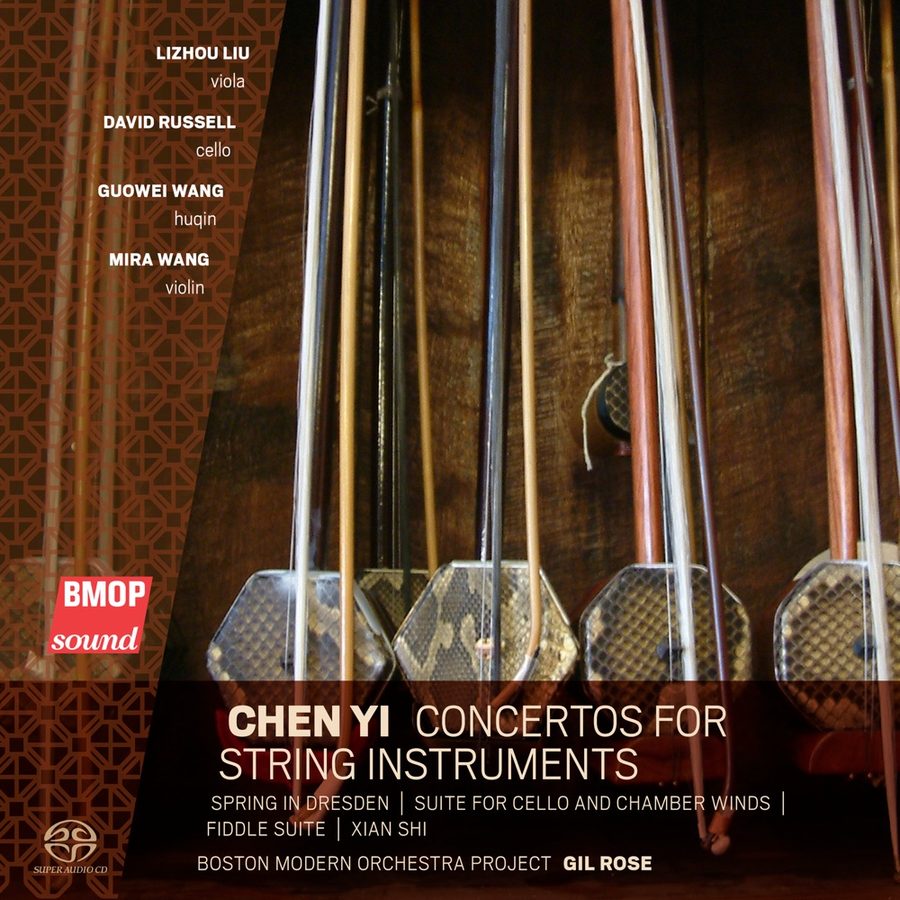
- Works — “Duo Ye”, “Ba Ban”, “Chinese Folk Dance Suite” (for violin and orchestra), “Dragon Rhyme” (2010, for wind ensemble), “Si Ji” (“Four Seasons”, for orchestra; a 2006 Pulitzer Prize finalist), “Fiddle Suite” (huqin and string quartet), “Landscape Impression”, “Chinese Ancient Dances”, “YangKo” (viola and two percussionists), “The West Lake in Summer” (2025).
- Recognition — the Charles Ives Living Award of the American Academy of Arts and Letters (2001); first prizes in the National Composition Competition of China (1985, 2012); the Lili Boulanger Award (1993); the Sorel Medal of New York University (1996); the CalArts/Alpert Award (1997); the ASCAP Concert Music Award (2001); the Elise L. Stoeger Prize of the Chamber Music Society of Lincoln Center (2002); she was elected to the American Academy of Arts and Sciences (2005) and the American Academy of Arts and Letters (2019); an honorary doctorate from The New School (2010); the Brock Commission of the American Choral Directors Association (2012).
- Teaching — since 1998 she has been Lorena Cravens/Millsap/Missouri Distinguished Professor of composition at the Conservatory of the University of Missouri–Kansas City; she previously taught at the Peabody Conservatory (Baltimore).
- Collaborations and publisher — the symphony “Humen 1839” (2009) was written together with Zhou Long (her husband) on commission from the Guangzhou Symphony Orchestra; her music is published by Theodore Presser Company, and recordings appear on Delos, Naxos, BIS, BMOP/sound and New World Records.