survey_51 — curators
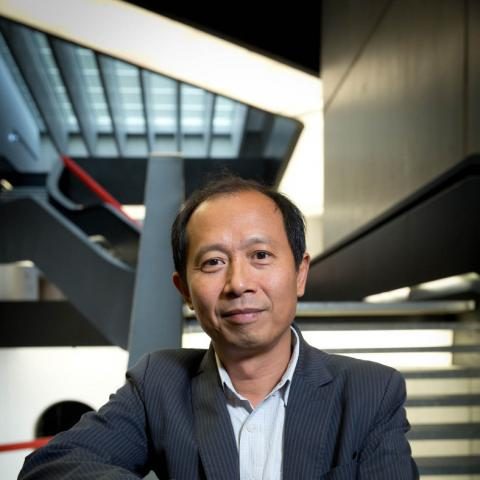
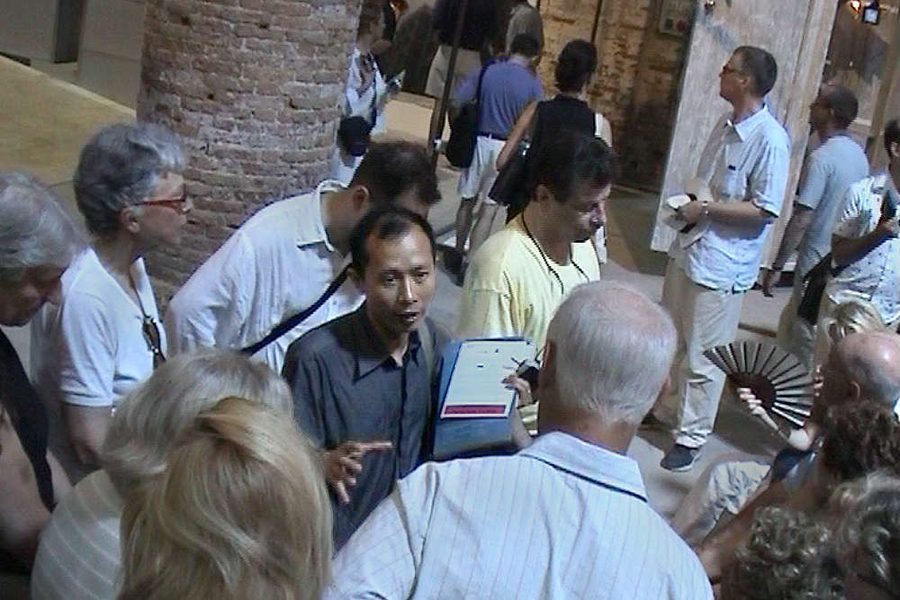
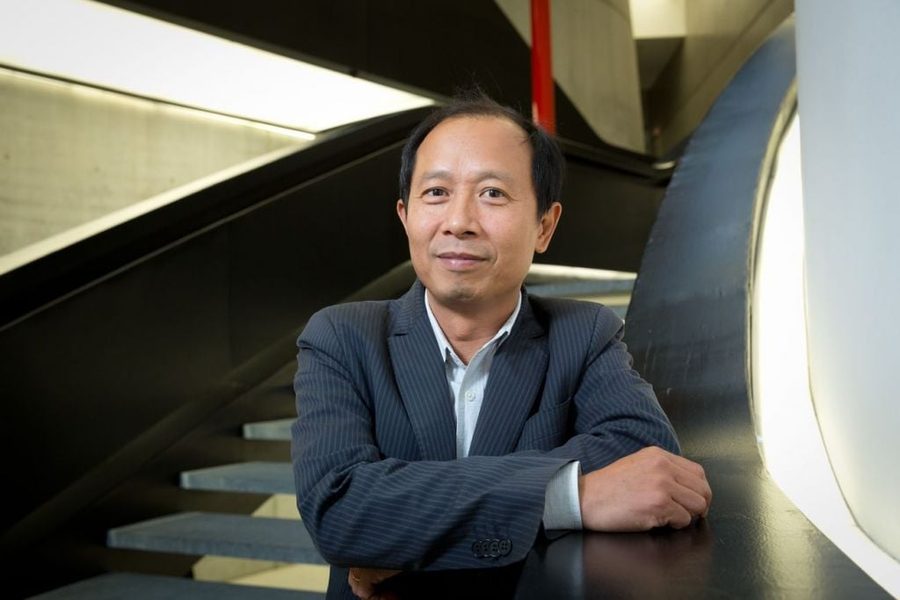
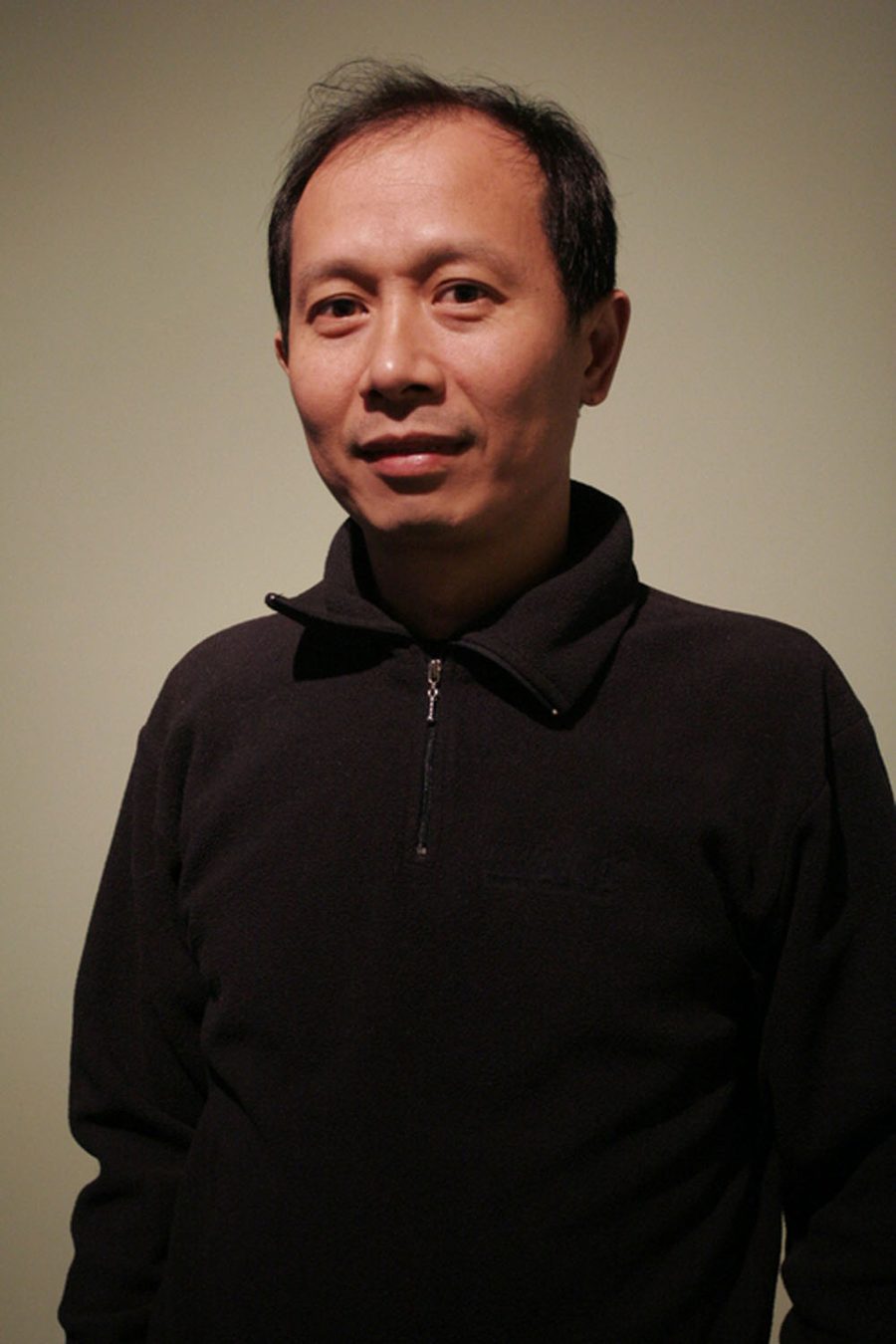
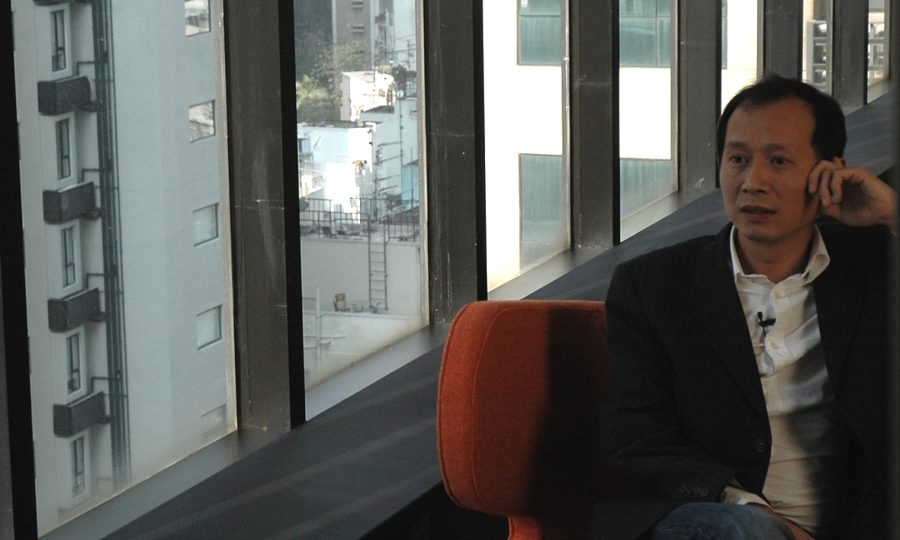
1. Hou Hanru — 侯瀚如 (Guangzhou, 1963)
Curator and art critic; served as artistic director of the National Museum of 21st Century Arts (MAXXI) in Rome; co-founder of the practice of major international biennials of the 1990s–2000s.
- Path — born in 1963 in Guangzhou; in 1981 he entered the Central Academy of Fine Arts (中央美术学院) in the art history department, in 1988 he received a master’s degree; in 1985 he took part in preparing M. Varbanov’s tapestry exhibition (壁挂艺术展) at the National Art Museum of China; in 1990 he moved to Paris.
- “Cities on the Move” — in 1997–2000, together with Hans Ulrich Obrist, he organised the travelling exhibition “Cities on the Move” (《移动中的城市》), in which more than 140 artists, architects and other authors took part; the project travelled to seven cities — Vienna, Bordeaux, New York (MoMA PS1), Louisiana, London, Bangkok and Helsinki.
- Biennials and triennials — curator of the 2nd Johannesburg Biennale (1997), the French pavilion at the Venice Biennale (1999), the 3rd Asia-Pacific Triennial (1999), the 3rd Shanghai Biennale (2000), the Gwangju Biennale (2002), the Venice Biennale thematic exhibition “Z.O.U. — Zone of Urgency” (2003) and the project “Canton Express” (Venice, 2003), the Chinese pavilion “Everyday Miracles / 日常奇迹” (Venice Biennale, 2007), the 2nd Guangzhou Triennial (2005), the 2nd Tirana Biennale (2005), the 10th Istanbul Biennial (2007), the 10th Lyon Biennale “The Spectacle of the Everyday” (2009) and the 5th Auckland Triennial (2013).
- Institutions — from 2006 to 2012 he was director of exhibitions and public programmes and head of the Exhibition and Museum Studies programme at the San Francisco Art Institute; from 2013 to 2023 he was artistic director of MAXXI — the National Museum of 21st Century Arts in Rome; he taught at the Royal Academy of Art in Amsterdam; he was a member of the international advisory committee of the Walker Art Center (Minneapolis) and of the jury of the Chinese Contemporary Art Award.
- Other — curator of the exhibitions “Nuit Blanche” (Paris, 2004), “Global Multitude” and “Trans(cient)City” (Luxembourg, 2007), EV+A (Limerick, 2008); he has acted as curator of urban and architectural projects, including within the Shenzhen Biennale of Architecture and Urbanism.
2. Wu Hung — 巫鸿 (Leshan, Sichuan, 1945)
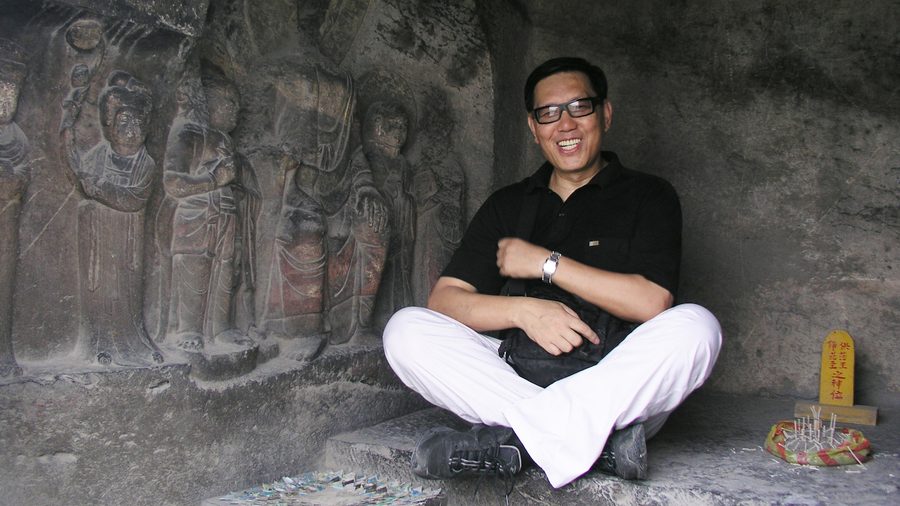
Art historian, professor at the University of Chicago, founder and director of the Center for the Art of East Asia; curator of exhibitions of Chinese art in the USA and China.
- Path — born in 1945 in Leshan (Sichuan); in 1963 he entered the art history department of the Central Academy of Fine Arts; from 1972 to 1978 he worked at the Palace Museum (in the sections of painting and calligraphy, and of bronze and stone); in 1978 he returned to the Central Academy of Fine Arts, and in 1980 received a master’s degree; from 1980 to 1987 he studied at Harvard University, where he received a doctorate in art history and anthropology (1987).
- Academic career — he taught at Harvard (1987–1994, tenured from 1994); since 1994 he has been the Harrie A. Vanderstappen Distinguished Service Professor of Chinese art history at the University of Chicago; in 2002/2003 he founded the University of Chicago’s Center for the Art of East Asia and became its director; from 2018 to 2023 he was adjunct curator of the Smart Museum of Art at the University of Chicago; he is a member of the American Academy of Arts and Sciences.
- Curatorial projects of the 1990s–2000s — “Transience: Chinese Experimental Art at the End of the Twentieth Century” (Smart Museum of Art, Chicago, 1999) and “Canceled: Exhibiting Experimental Art in China” (same venue, 2000); the first Guangzhou Triennial “Reinterpretation: A Decade of Experimental Art in China (1990–2000)” (Guangdong Museum of Art, 2002); “Tui-Transfiguration: The Image-World of Rong Rong and Inri” (2003); “Between Past and Future: New Photography and Video from China” (together with C. Phillips; International Center of Photography and the Smart Museum of Art, 2004); “About Beauty” (Haus der Kulturen der Welt, Berlin, 2005); the 6th Gwangju Biennale (first part, 2006).
- “The Allure of Matter” — in 2019–2020 he curated (together with O. Cacchione) the exhibition “The Allure of Matter: Material Art from China”, shown at the Los Angeles County Museum of Art (LACMA, 2019–2020) and at the Smart Museum of Art and Wrightwood 659 (Chicago, 2020); it included about 35–48 works by 21 artists.
- Institutions — a member of the governing committees of a number of institutions, including the Three Shadows gallery (Beijing), OCAT Beijing and the Yuz Museum (Shanghai); a member of the Asian Art Council of the Guggenheim Museum; author of the books “Contemporary Chinese Art: Primary Documents” (2010) and “Contemporary Chinese Art: A History” (2014), among others.
3. Gao Minglu — 高名潞 (Tianjin, 1949)
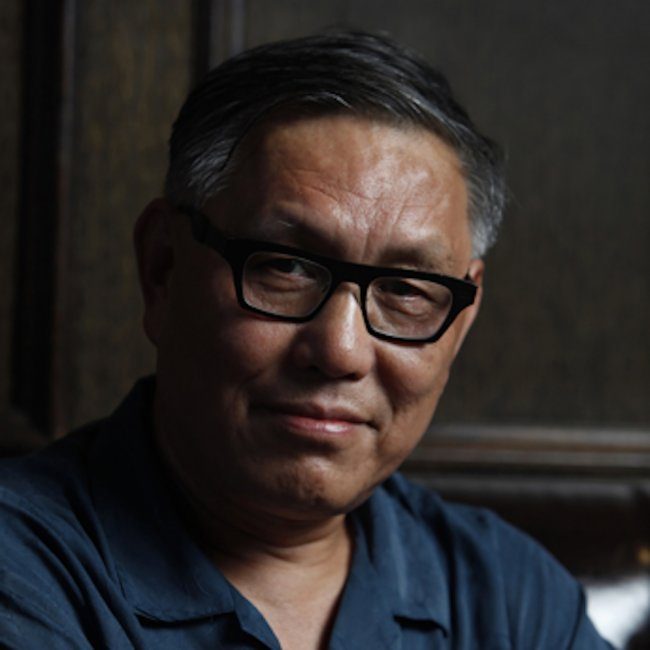
Critic, curator and art historian; organiser of the exhibition “Chinese Avant-Garde” (1989) and of a number of key exhibitions of Chinese art in the USA; research professor at the University of Pittsburgh.
- Path — born in 1949 in Tianjin; during the “Cultural Revolution” he spent five years in Inner Mongolia; in 1978 he entered the Tianjin Academy of Fine Arts; he received a master’s degree at the Chinese National Academy of Arts (1982); from 1984 to 1989 he was an editor of the journal 美术 (Meishu) and took part in work on the newspaper 中国美术报; in 1991 he received a postdoctoral fellowship and continued his studies in the USA (Ohio State University, then doctoral studies at Harvard University).
- “Chinese Avant-Garde” and the 1980s — a participant in and organiser of the “Large-Scale Slide Exhibition of ‘New Wave’ Art” at the meeting in Zhuhai (1986); chief organiser of the exhibition “Chinese Avant-Garde” (中国现代艺术展, National Art Museum of China, Beijing, 1989), closed by the authorities a few hours after it opened.
- Curatorial projects — “Fragmented Memory: The Chinese Avant-Garde in Exile” (Wexner Center, Ohio, 1993); “Inside Out: New Chinese Art” (Asia Society and MoMA PS1, New York, 1998; then SFMOMA); the Chinese section of “Point of Origin: Global Conceptualism 1950s–1980s” (Queens Museum, New York); “Harvest: Contemporary Art Exhibition” (2002); “Chinese Maximalism” (2003); “The Wall: Reshaping Contemporary Chinese Art” (2005, Albright-Knox Gallery, Buffalo, and the Millennium Monument, Beijing); “A Retrospective Exhibition of the No Name Group” (2006–2007); “Chinese Apartment Art 1970s–1990s” (2008); “Yi School: Thirty Years of Chinese Abstraction” / 意派:中国抽象艺术三十年 (tour of Spain, 2008–2009) and 意派:世纪思维 (Today Art Museum, Beijing, 2009).
- Institutions and publications — research professor in the Department of History of Art and Architecture at the University of Pittsburgh (tenured since 2005); professor and head of the fine arts department of the Sichuan Fine Arts Institute; honorary professor at the Tianjin Academy of Fine Arts; founder and head of the Gao Minglu Research Center for Modern and Contemporary Art (高名潞现当代艺术研究中心, website artresearchcenter.org).
- Texts — author and editor of the books “Chinese Avant-Garde” (1989), “A History of Contemporary Chinese Art 1985–1986” (1991, co-author), 中国极多主义 (2003), 墙:中国当代艺术的历史与边界 (2005), 无名:一个悲剧前卫的历史 (2006), 意派论:一个颠覆再现的理论 (2009), 西方艺术史观念——再现与艺术史转向, and others.
4. Lü Peng — 吕澎 (Chongqing, 1956)
Art historian, critic and curator; one of the organisers of the first Chinese biennial (Guangzhou, 1992), and author of “A History of 20th-Century Chinese Art”.
- Path — born in 1956 in Chongqing (Sichuan); from 1977 to 1982 he studied in the department of political education of the Sichuan Pedagogical Institute; from 1982 to 1985 he was an editor of the journal 戏剧与电影 (Drama and Film); from 1986 to 1991 deputy secretary of the Sichuan Playwrights’ Union; from 1990 to 1993 executive editor of the journal 艺术·市场 (Art and Market); in 2004 he received a doctorate at the China Academy of Art (Hangzhou).
- The Guangzhou Biennial — in 1992 he served as artistic director of the Guangzhou Biennial (officially the First Guangzhou Biennial Art Fair, also known as the “1990s Art Biennial”), the first event of this format in China.
- Curatorial projects — “A Gift to Marco Polo” (给马可波罗的礼物), a special invited exhibition of the 53rd Venice Biennale (2009, co-curator Achille Bonito Oliva); “Reshaping History: China’s New Art 2000–2009” (改造历史:2000—2009年的中国新艺术, Beijing, 2010); “Pure Views: New Painting from China” (溪山清远) at the Louise Blouin Foundation (London, Frieze, 2010) and the Asian Art Museum of San Francisco (2011); the 5th Chengdu Biennale (2011, chief curator); the exhibition 溪山清远——流觞故事:中国当代新绘画 at the Fukuoka Asian Art Museum (Japan, 2013).
- Institutions — from 2011 to 2014 director of the Chengdu Museum of Contemporary Art (成都当代美术馆); art director of the Yinchuan Museum of Contemporary Art; academic director of the 2023 Chengdu Biennale; from 2005 to 2016 associate professor in the department of art history and theory of the China Academy of Art; since 2017 founder and president of L-Art University (那特艺术学院, an online art school); professor at the Sichuan Fine Arts Institute and the Macao University of Science and Technology; academic consultant to the L-ART gallery.
- Texts — co-author of 中国现代艺术史:1979–1989 (1989, with Yi Dan), author of 20世纪中国艺术史 (2006; expanded English edition, 2009), 溪山清远:两宋时期山水画的历史与转型 (2004) and others; he runs the personal website luhistory.com with sections on research, exhibitions and publications.
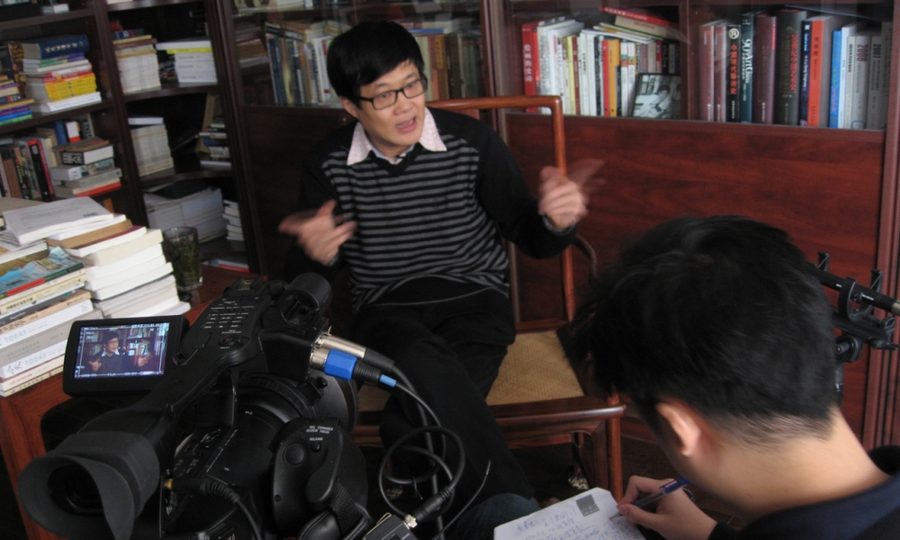
5. Pi Li — 皮力 (Wuhan, 1974)
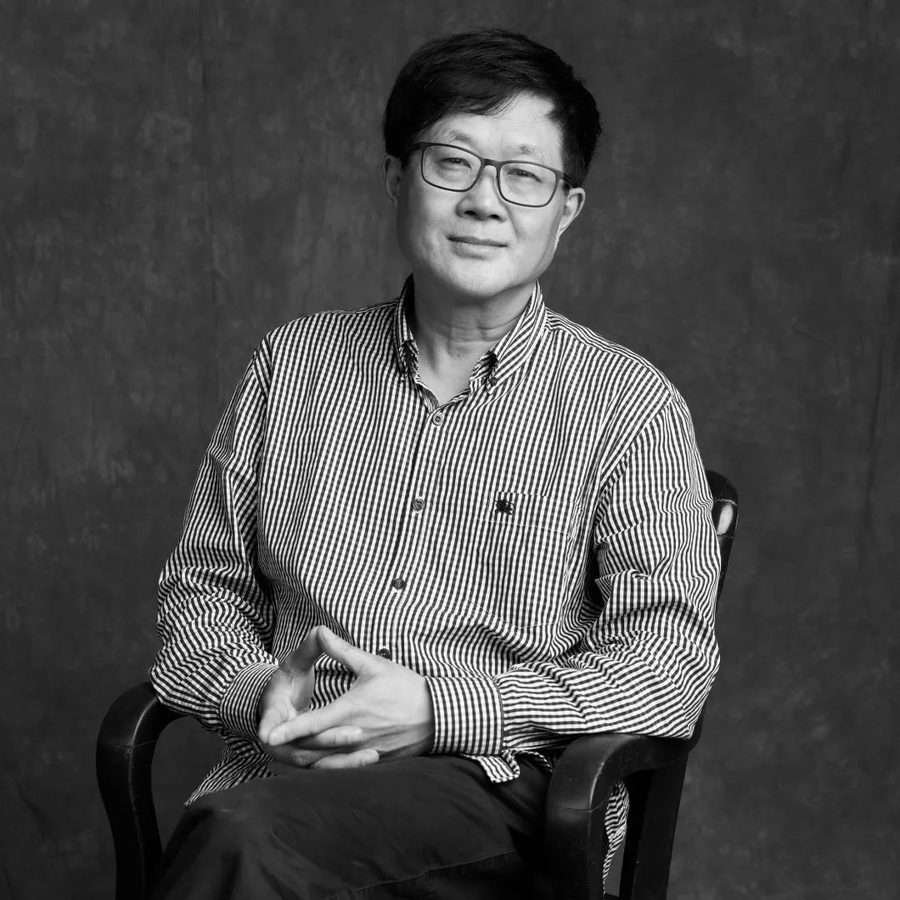
Curator, critic and teacher; Head of Art at Tai Kwun (Hong Kong), and senior curator at M+ from 2012 to 2023.
- Path — born in 1974 in Wuhan; he received a doctorate in art history and criticism at the Central Academy of Fine Arts (2009); from 2001 to 2012 he was deputy executive director of the arts management department of the Central Academy of Fine Arts.
- Gallery — in 2005, together with partners, he founded the Boers-Li Gallery (formerly Universal Studios–Beijing / U空间) in Beijing’s 798 district and directed it until 2012; the gallery continues under the name SPURS Gallery.
- Curatorial projects — “Fantasy Zone” (DongA Daily Art Museum, 2001; Beijing Contemporary Art Center, 2002); “Under Construction” (Opera Museum, Tokyo, 2002); “Moist: Asia-Pacific Media Art” (Millennium Monument Art Museum, Beijing, 2002); “Image is Power” (He Xiangning Art Museum, Shenzhen, 2002); the 4th Shanghai Biennale (2002); “Alors, la Chine?” (Centre Pompidou, Paris, 2003); Media City Seoul (Seoul Museum of Art, 2006); “The Nature of Concept: the Transforming Concept of Chinese Contemporary Art 1987–2006” (Hubei Museum of Art, 2007); “Super Organism” (CAFA Art Museum, Beijing, 2011).
- M+ — in 2012 he moved to Hong Kong and joined the M+ museum as Sigg Senior Curator and head of the curatorial department; he was responsible for the M+ Sigg Collection and took part in preparing the museum’s opening; he curated the exhibitions “Right is Wrong: Four Decades of Chinese Art in M+ Sigg Collection” (Bildmuseet, Umeå, 2014; Whitworth Gallery, Manchester, 2015) and “Madame Song: Pioneering Art and Fashion” (M+, 2023–2024).
- Tai Kwun — since 2023 Head of Art at the Tai Kwun Centre for Heritage and Arts (Hong Kong), responsible for Tai Kwun Contemporary, public art across the site and projects at the intersection of heritage and contemporary art; curator of the exhibitions 荒丘 (Tao Hui) and “Stay Connected: Art and China Since 2008” (Tai Kwun, 2025–2026).
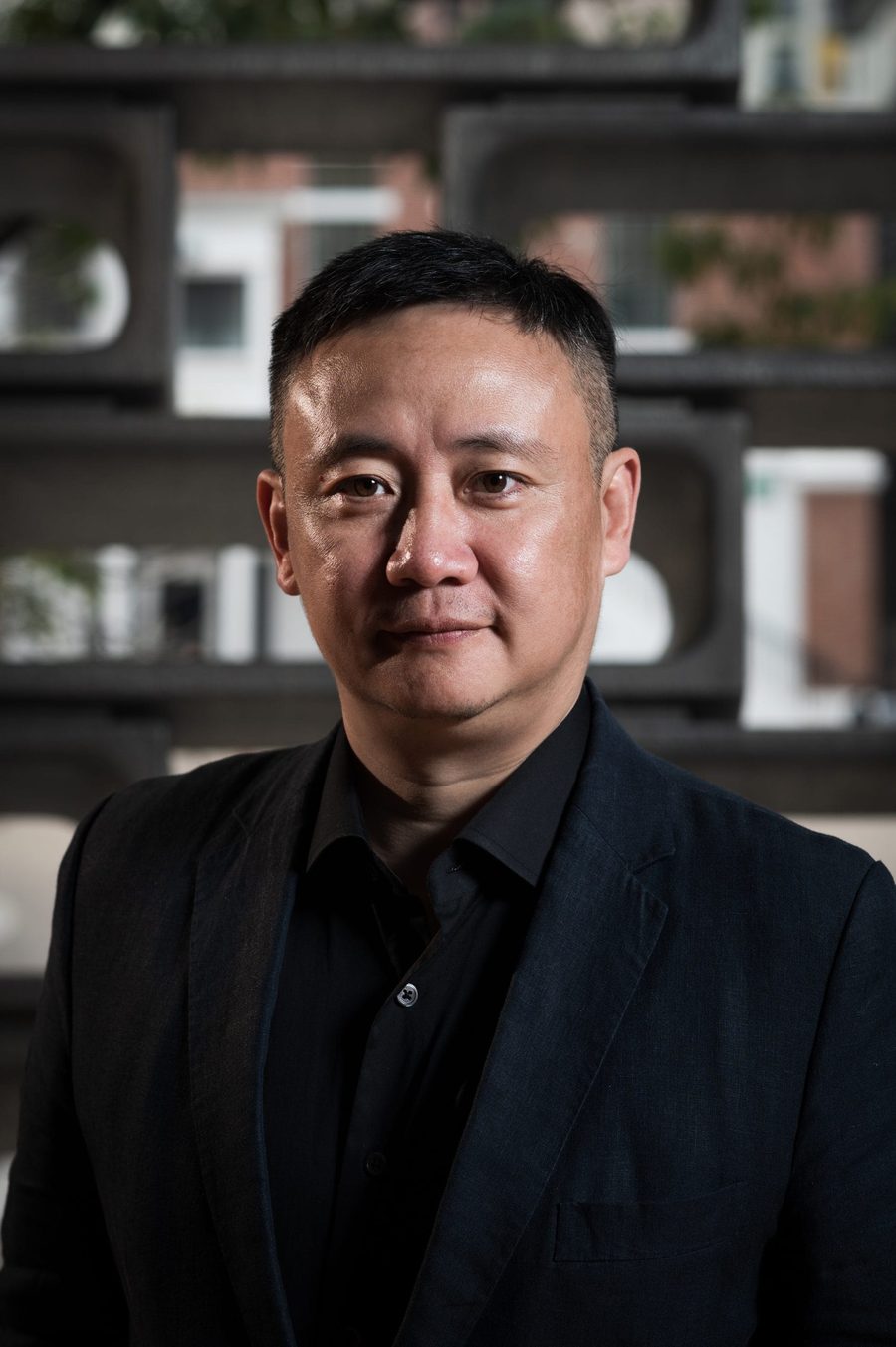
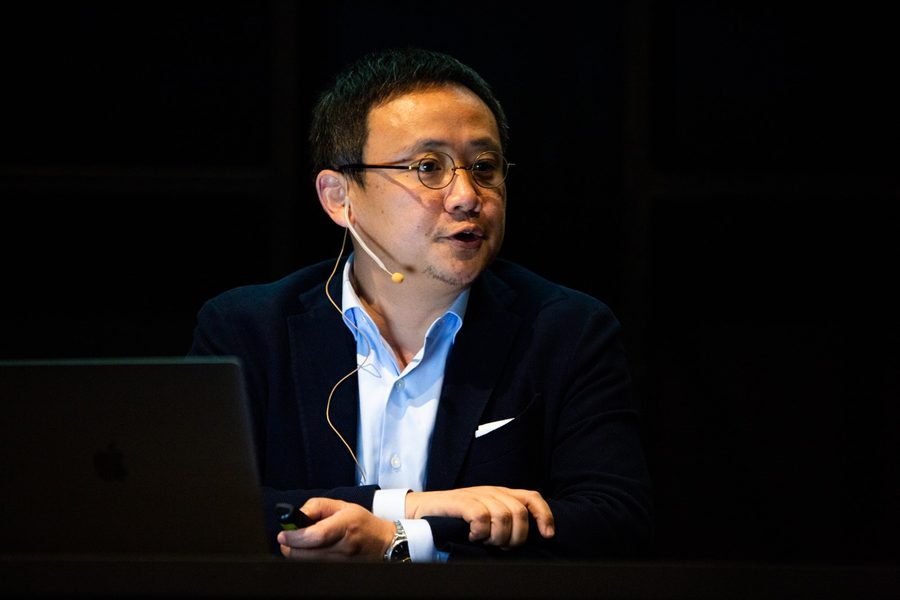
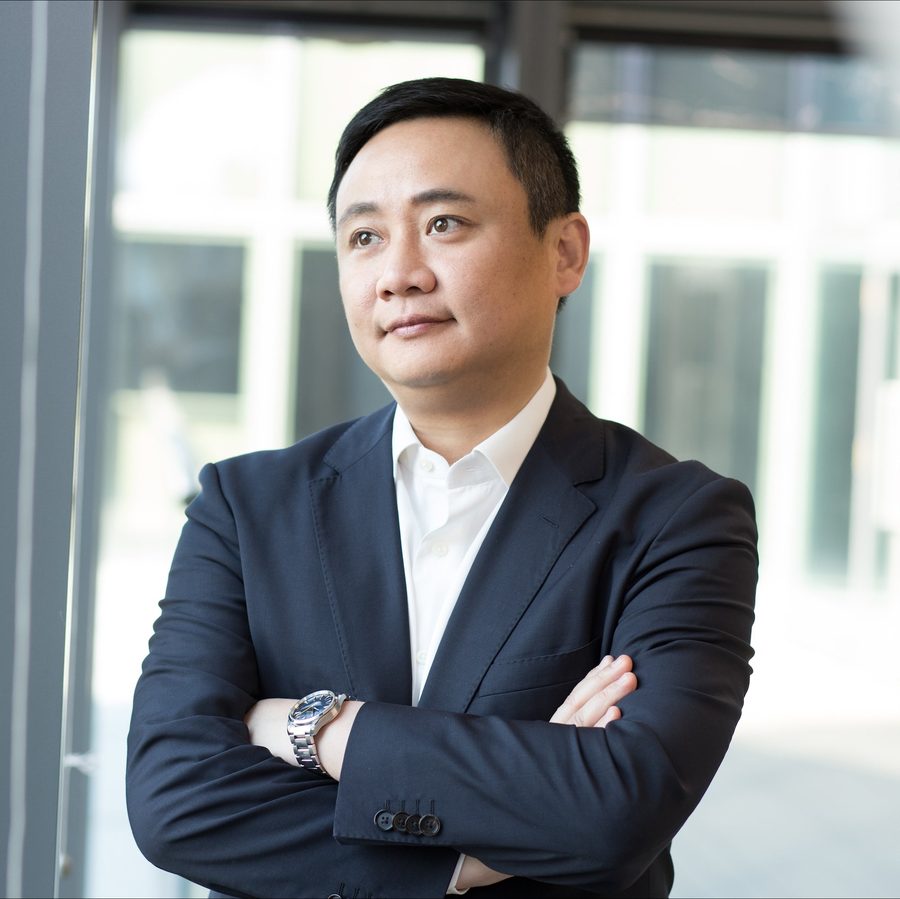
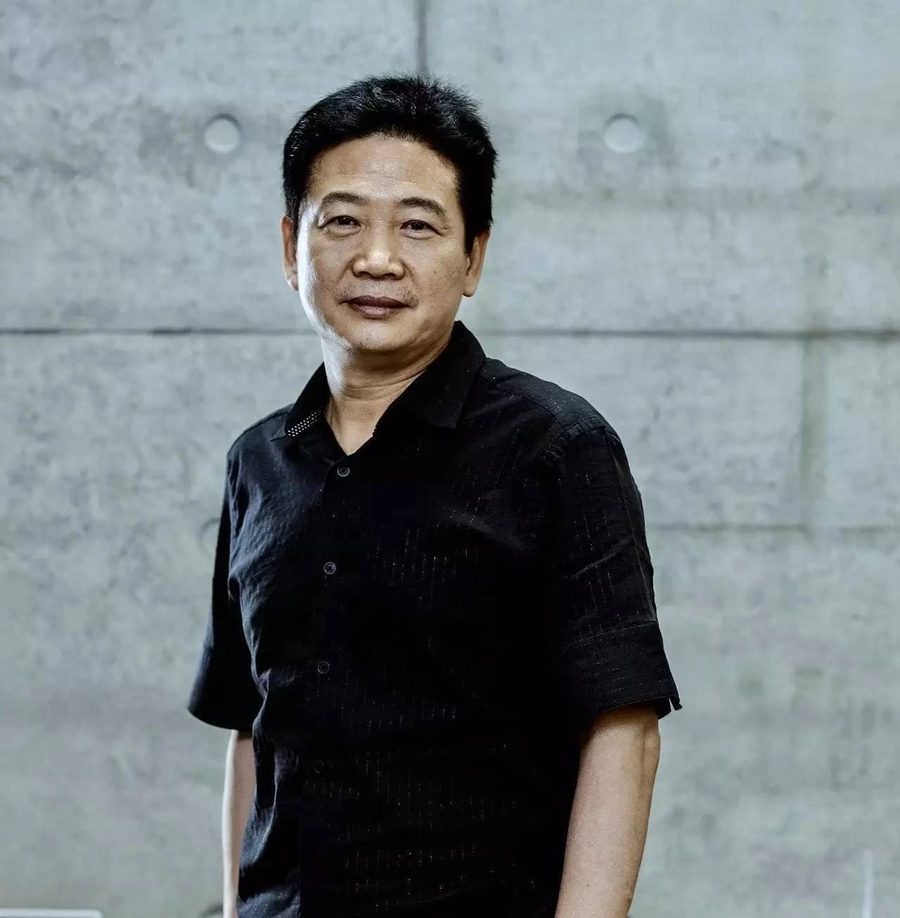
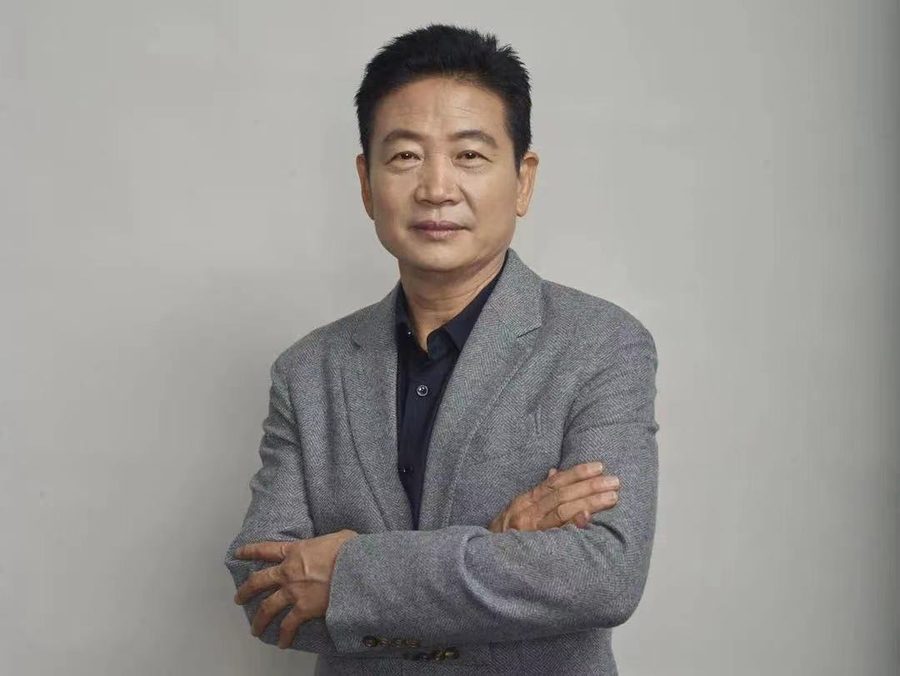
6. Zhang Zikang — 张子康 (Shijiazhuang, Hebei, 1964)
Curator, artist and museum management specialist; director of the CAFA Art Museum (2017–2024) and curator of the Chinese pavilion at the 59th Venice Biennale.
- Path — born in 1964 in Shijiazhuang (Hebei); in 1989 he graduated from the fine arts department of the Hebei Pedagogical Academy; he worked in publishing, heading the Culture and Art Publishing House and the publication of the journals “Oriental Art” and “Today Art”. He is a professor and doctoral supervisor at the Central Academy of Fine Arts.
- Today Art Museum — in 2004 he took charge of the Today Art Museum (今日美术馆) in Beijing, China’s first private museum of contemporary art, and directed it until 2012 (according to his personal website, until 2011).
- Institutions — from 2006 to 2009 director of the Centre for the Study of Art Information of the Chinese National Academy of Painting; since 2009 director of the Centre for Art Research and Promotion of the Chinese National Academy of Arts; he has served as deputy director of the National Art Museum of China and deputy head of the culture department of the Xinjiang Uygur Autonomous Region.
- CAFA Art Museum — by order of the Central Academy of Fine Arts of 2017 he was appointed director of the CAFA Art Museum (中央美术学院美术馆); he directed the museum until 2024, after which he became director of the Xinyi Art Museum.
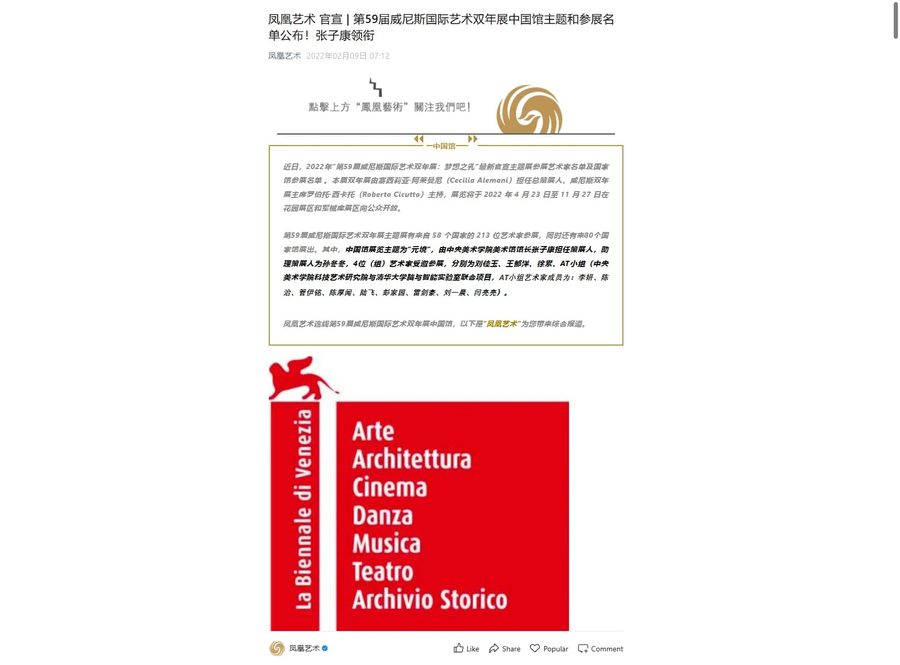
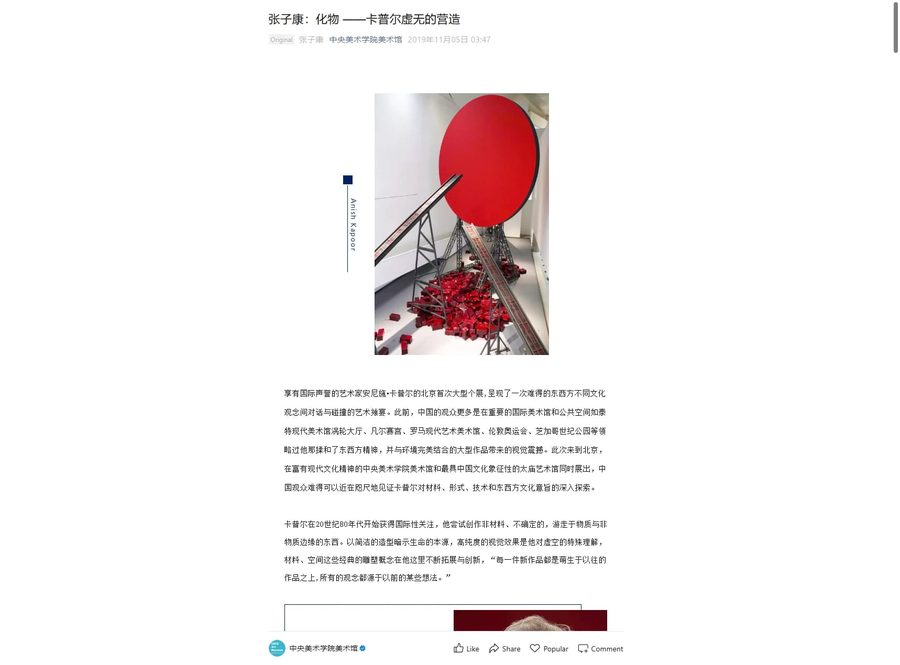
- Curatorial projects — curator of the Chinese pavilion at the 59th Venice Biennale, 元境 (Meta-Scape, 2022; assistant curator — Sun Dongdong; participants — Liu Jiayu, Wang Yuyang, Xu Lei and the AT group); the exhibition “Anish Kapoor: A Journey Within” (CAFA Art Museum and Taimiao Art Museum); “Leandro Erlich: The Confines of the Void”; the first solo exhibition of Marc Chagall in China (2020); “Homage to Beuys” (2025), among others. He also works as an artist, publishing paintings and albums (CITIC Press, People’s Fine Arts Publishing House).