survey_11 — postmodernism in Chinese art
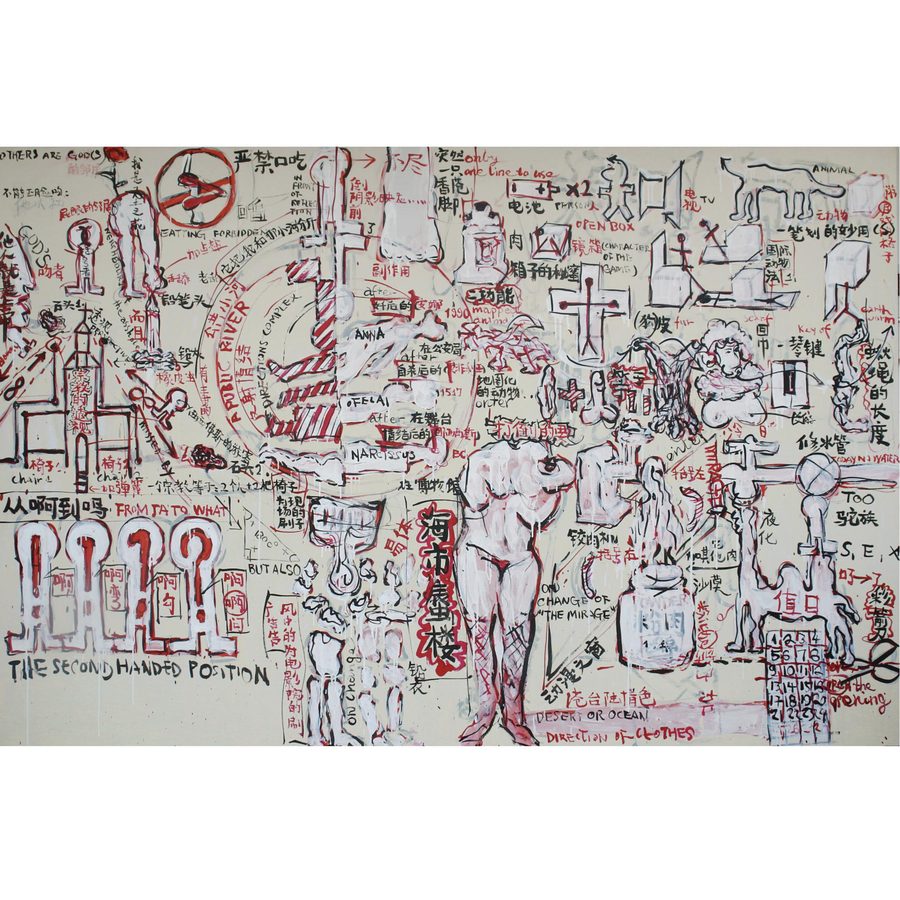
1. Wu Shanzhuan — 吴山专 (b. 1964, Zhoushan (Zhejiang); lives in Hamburg and Shanghai)
Graduated from: Zhejiang Academy of Arts, 1986
The author of "red humour": the language of socialist slogans, advertising and packaging as artistic material.
- "Red Humour" (红色幽默, since 1989)— texts and slogans translated into painting and poster: Maoist propaganda meets Dada and commercial graphics.
- Work with signs and notices (1990s) — everyday inscriptions such as "no water this evening" as a form in its own right.
- Collaboration with Inga Svala Thorsdottir (from the 1990s) — joint projects on language, counting and the "commodity of perfection".
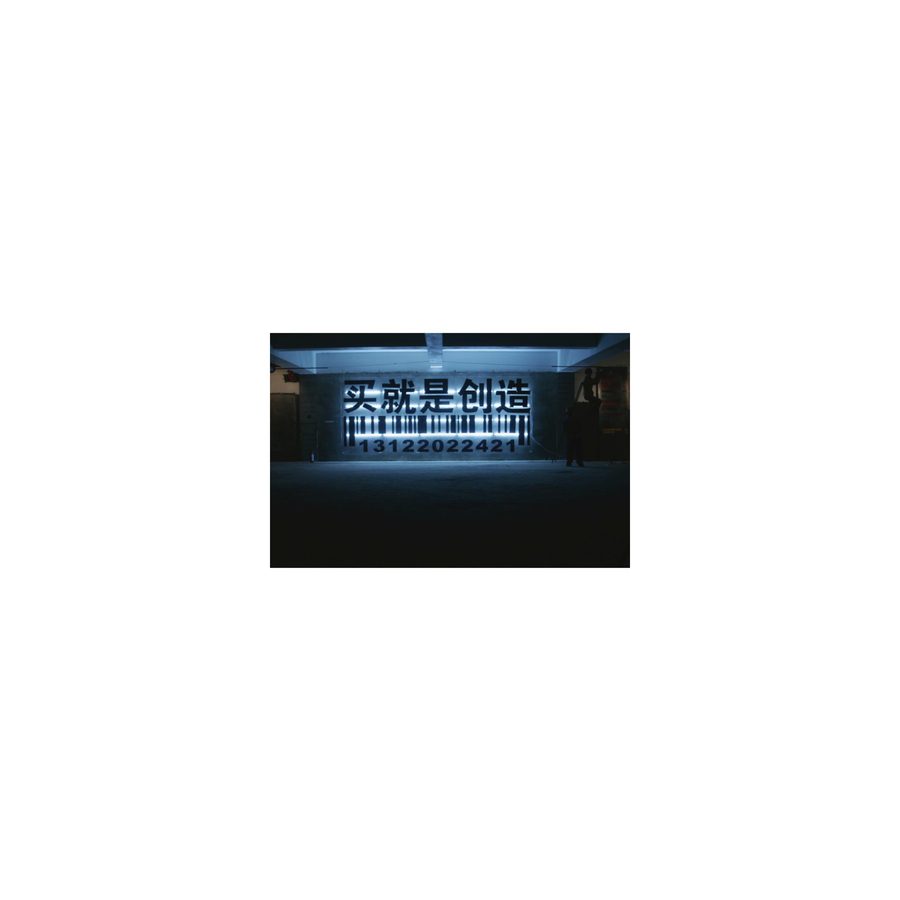
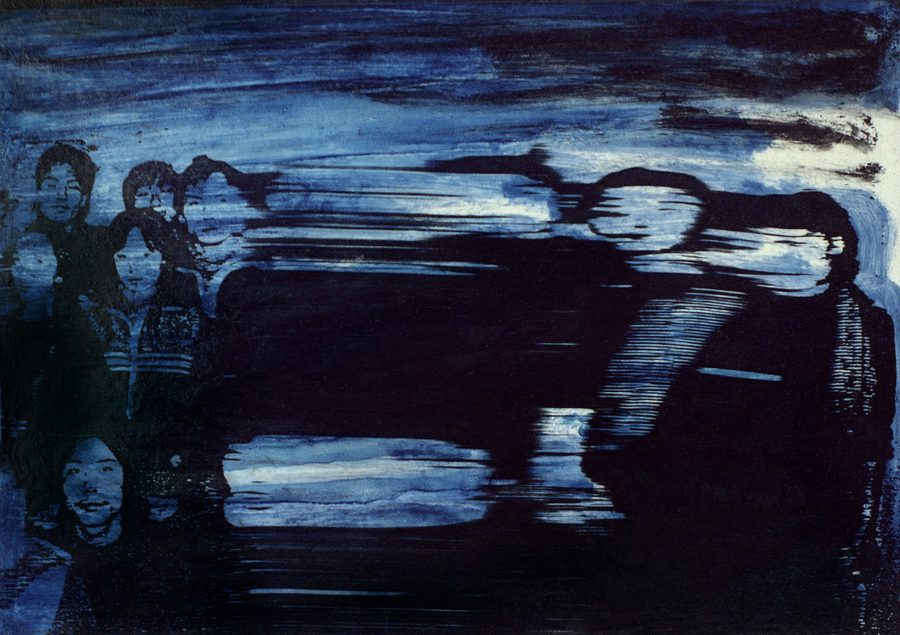
2. Geng Jianyi — 耿建翊 (1962, Zhengzhou (Henan) — 2017, Hangzhou)
Graduated from: Zhejiang Academy of Arts (now China Academy of Art), 1985
A key figure of Hangzhou conceptualism: painting, questionnaires, texts and viewer participation.
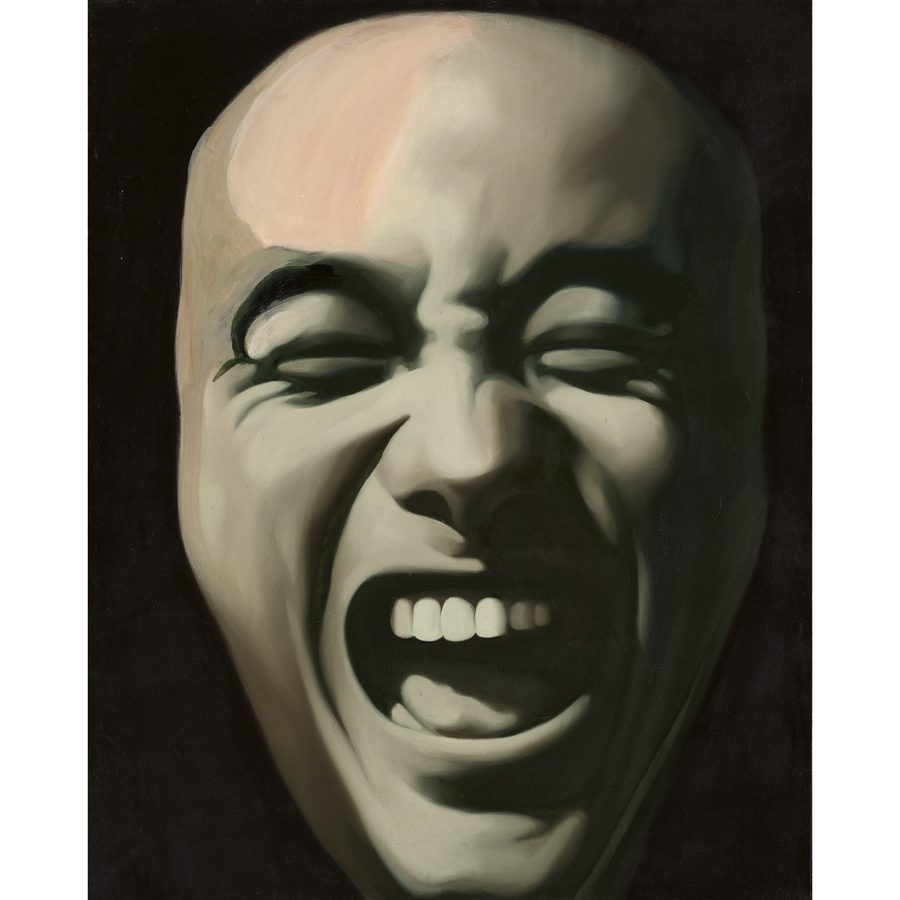
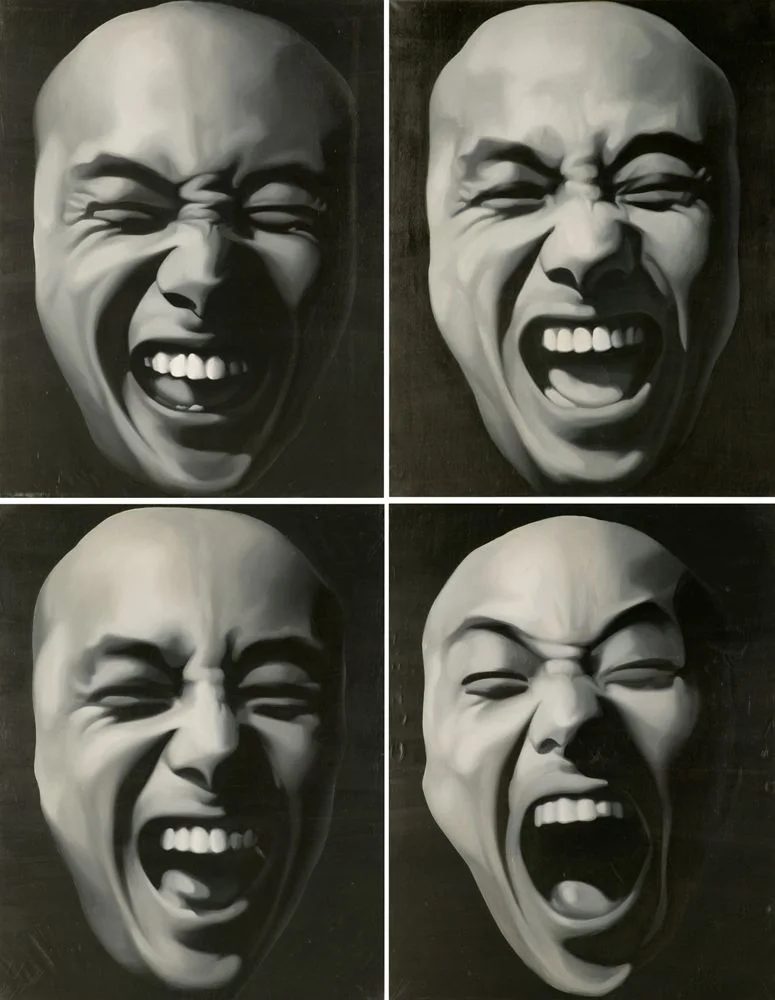
- "The Second State" (第二状态, 1987) — four canvases of grotesque laughter that became a textbook example of the Chinese conceptual turn.
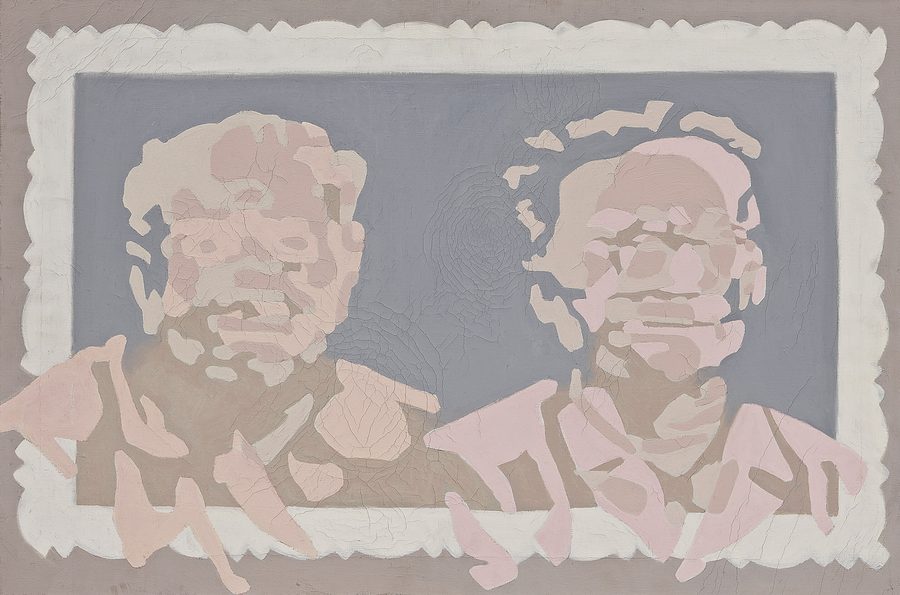
- "Two People under the Light" (灯光下的两个人, 1985) — his graduation work, which ran counter to the expectations of the academic establishment.
- The Chi She group (池社, 1986) and later series with questionnaires, instructions and viewer participation — art as a question rather than an object.
3. Zhou Tiehai — 周铁海 (b. 1966, Shanghai)
Graduated from: Shanghai University Academy of Fine Arts, 1989
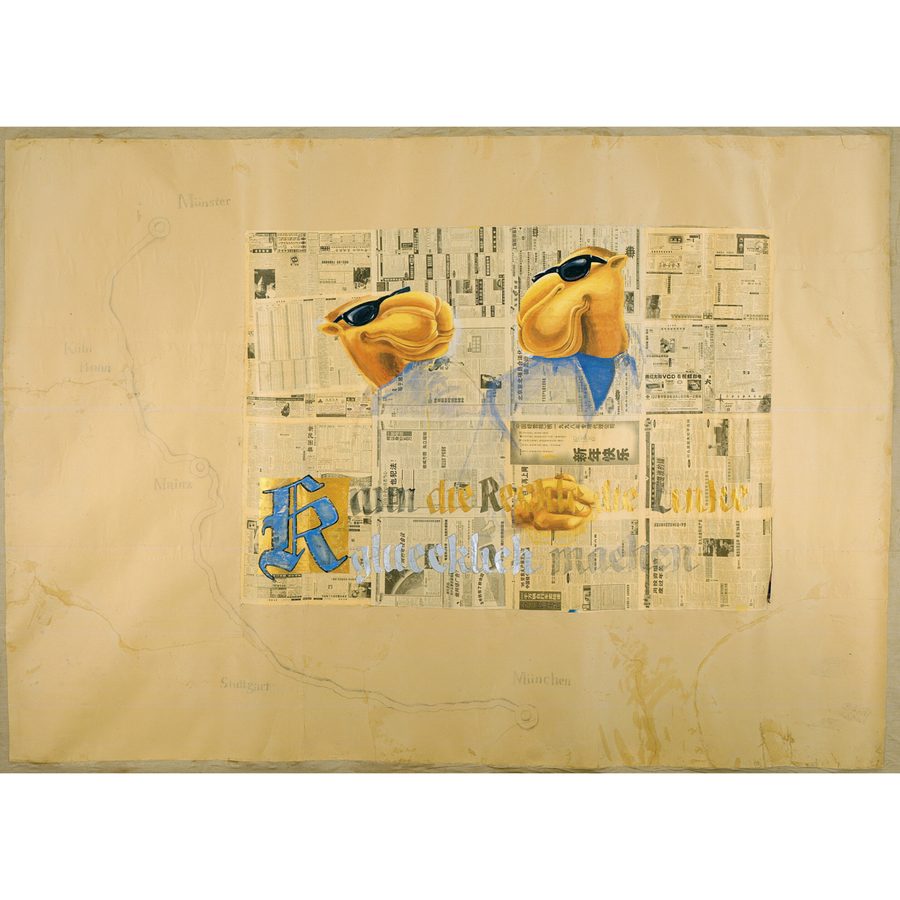
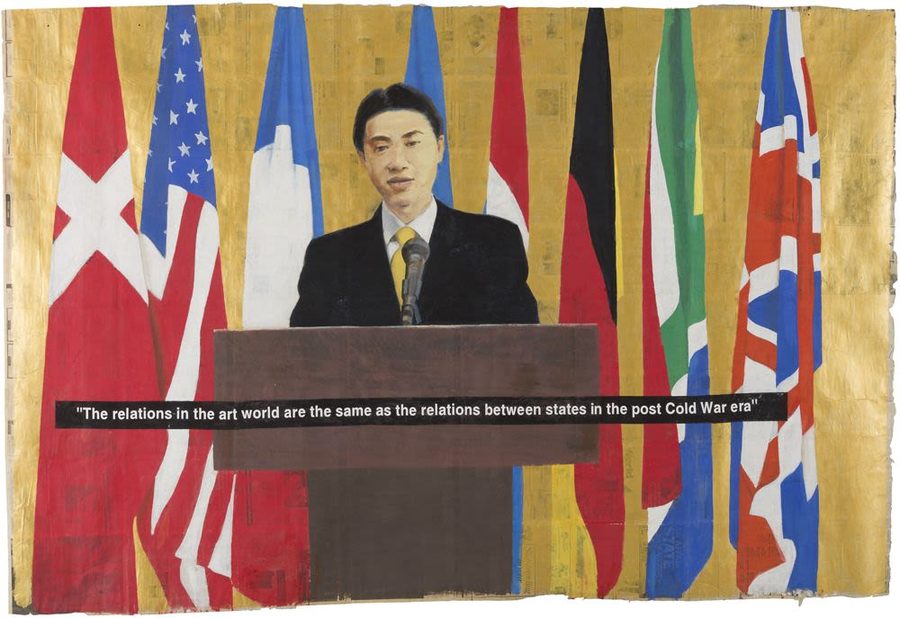
Irony aimed at the art system: a fictitious brand, newspaper layouts and the "artist as consultant".
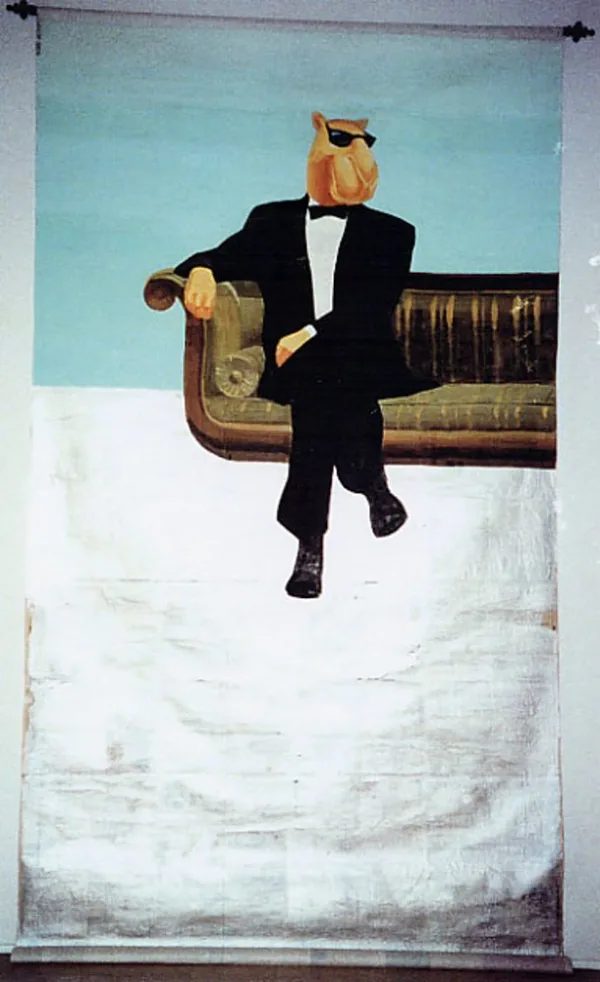
- "Mustang" (from the 1990s) — a fictitious brand of contemporary Chinese art, complete with annual reports and shop windows.
- Spray-painted works after newspaper layouts — advertising pages of the press painted over as pictures.
- Co-founder of SH Contemporary (2007) — the first international fair in Shanghai, a continuation of the same play with institutions.
4. Wang Du — 王度 (b. 1956, Wuhan; lives in Paris since 1990)
Graduated from: Guangzhou Academy of Fine Arts, 1985
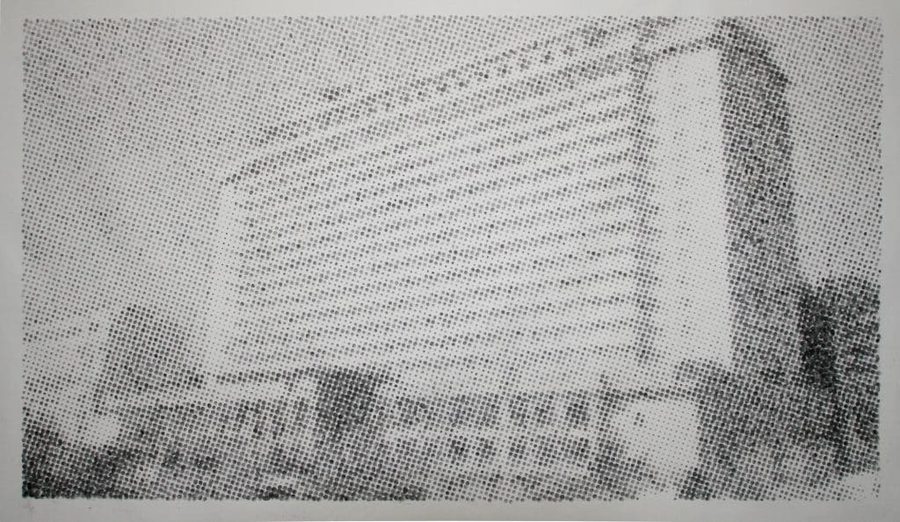
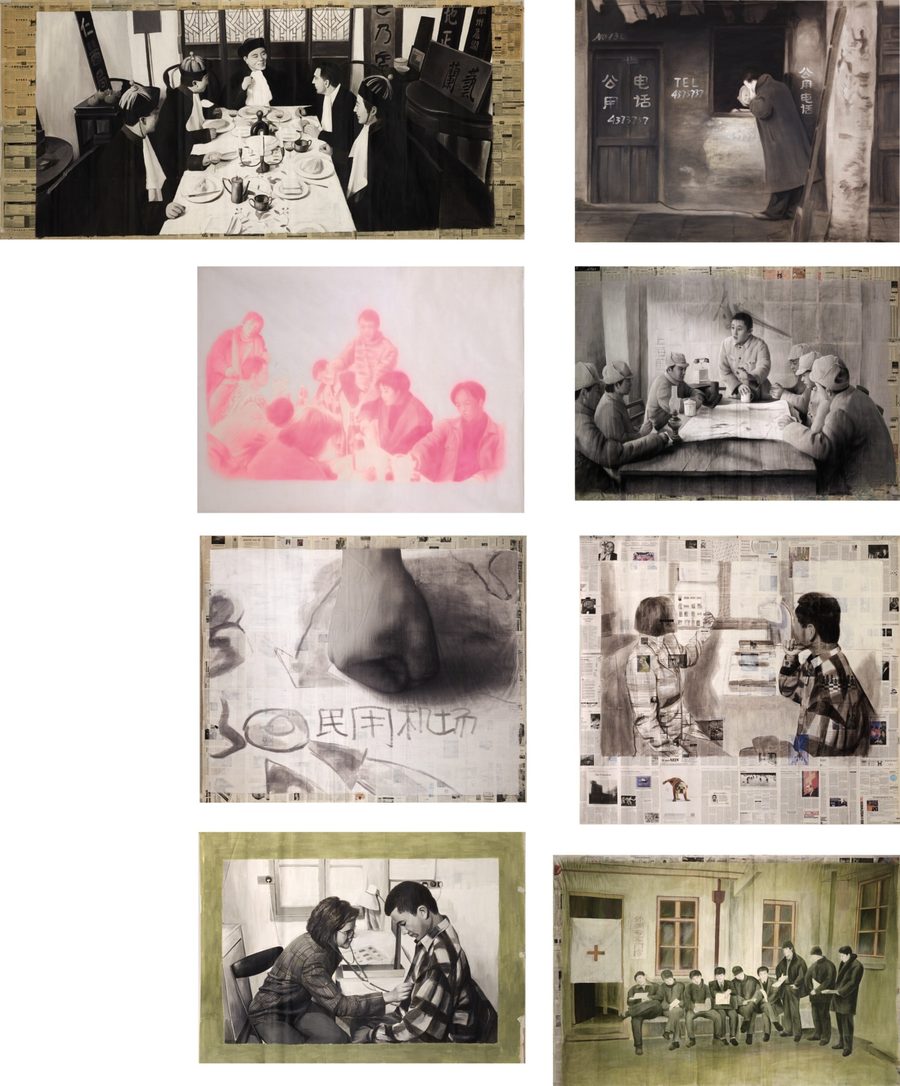
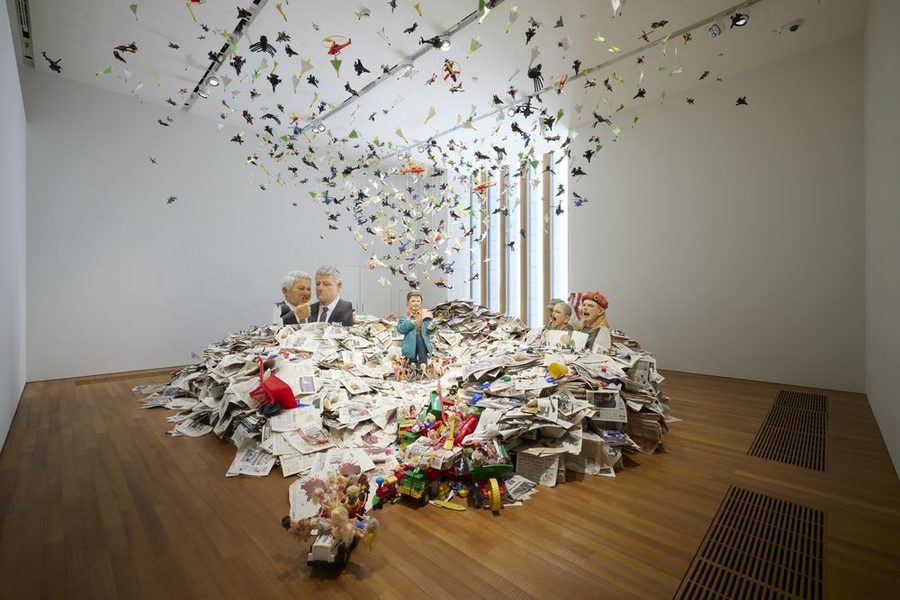
The newspaper image enlarged into three dimensions: the press as sculptural material.
- The press in three dimensions — clippings from newspapers and official posters turned into painted three-dimensional objects.
- "Le Baiser" (The Kiss) — an enlarged newspaper photograph grown into a monument; the work is in the collection of the Centre Pompidou.
- "Salon of Southern China Artists" (1986) — co-founder of the Guangzhou group that championed freedom of practice.
5. Zhang Hongtu — 张宏图 (b. 1943, Pingliang (Gansu); in New York since 1982)
Graduated from: Central Academy of Arts and Crafts, 1969
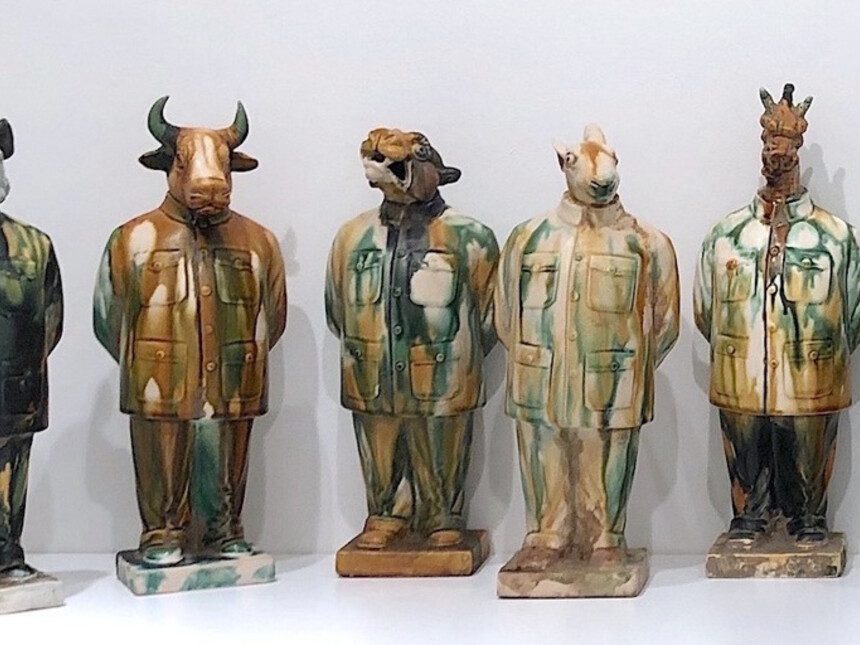
A swapping of places between the Western canon and Chinese iconography: Mao in the manner of Van Gogh, a "Last Supper" with Chinese deities.
- "Mao-Van Gogh" (1990s) — portraits of Mao painted after Van Gogh: a recognisable brush and a substitution of meaning.
- "The Last Supper" (1990s) — Leonardo’s version assembled from Chinese deities, Mao and figures of the body.
- Projects on cultural translation ("Between East and West") — series in which the Western and Chinese canons change places.
6. Hong Hao — 洪浩 (b. 1965, Beijing)
Graduated from: Central Academy of Fine Arts, 1989
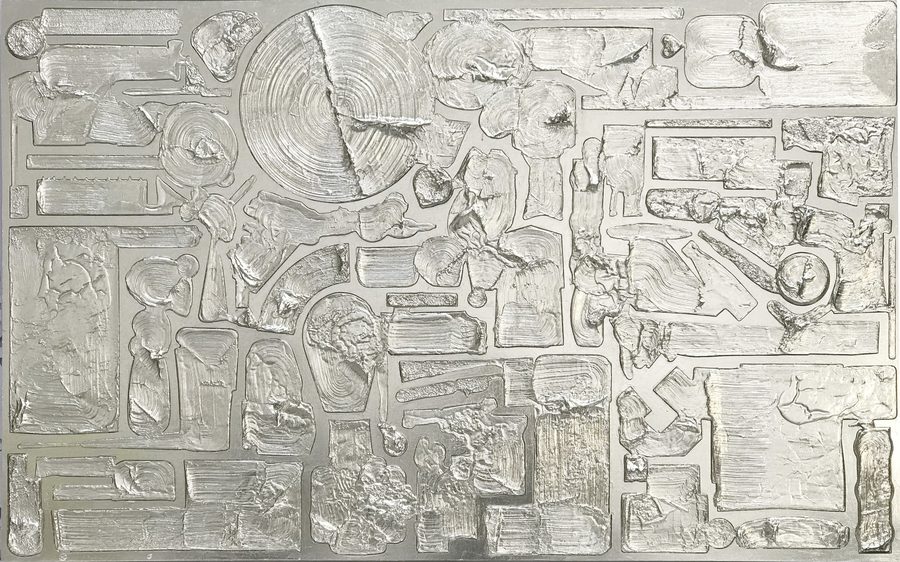
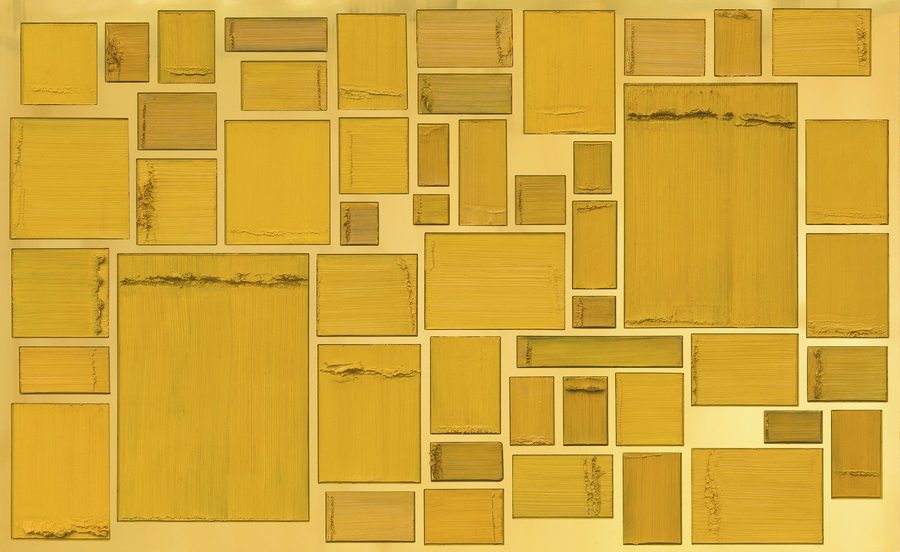
An inventory of his own life: scanned objects, balance sheets and calendars as systems of accounting.
- "My Things" (from 2001) — household objects laid out and scanned as an inventory list.
- "Book of Balance" (from 2007) — tables of expenditure, time and consumption elevated into painting.
- "Escaping the Calendar" — a body of work on dates and tear-off sheets as everyday routine.
7. Wang Youshen — 王友身 (b. 1964, Beijing)
Graduated from: Central Academy of Fine Arts (连年系/民间美术系), 1988
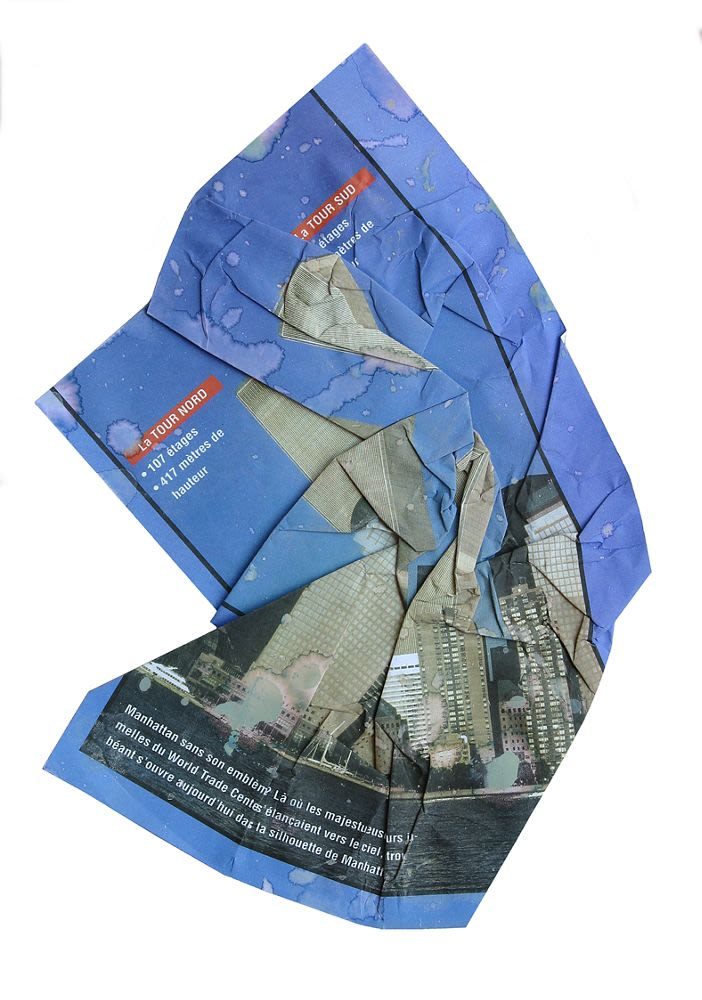
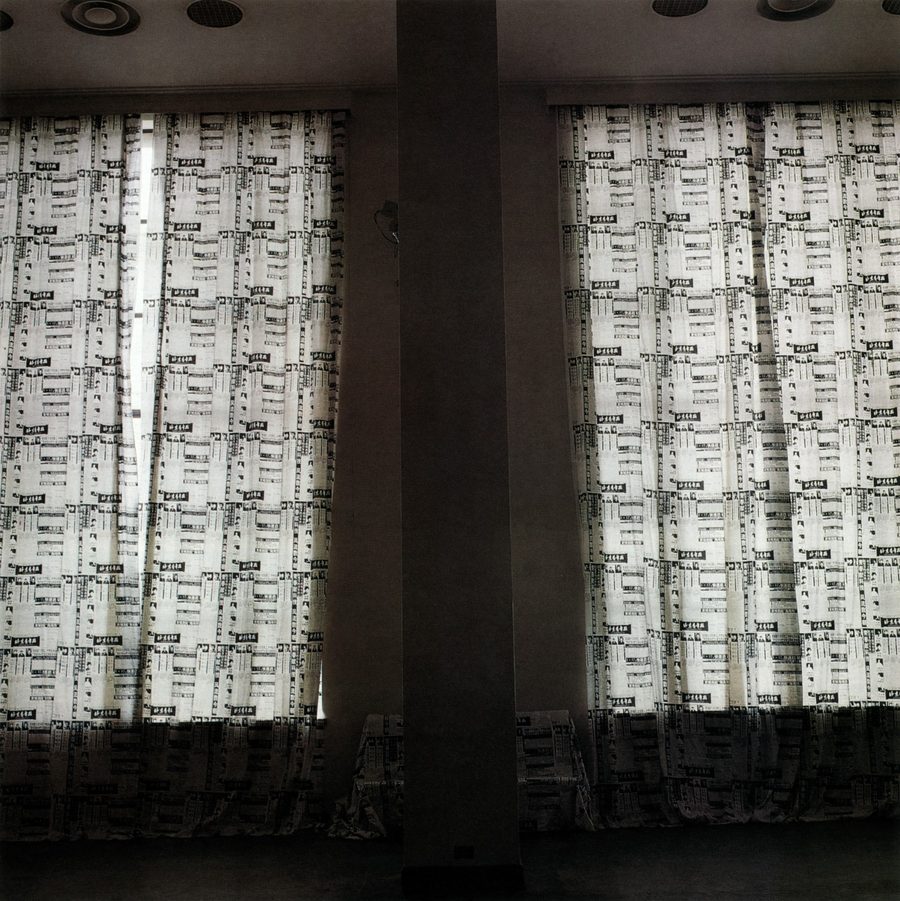
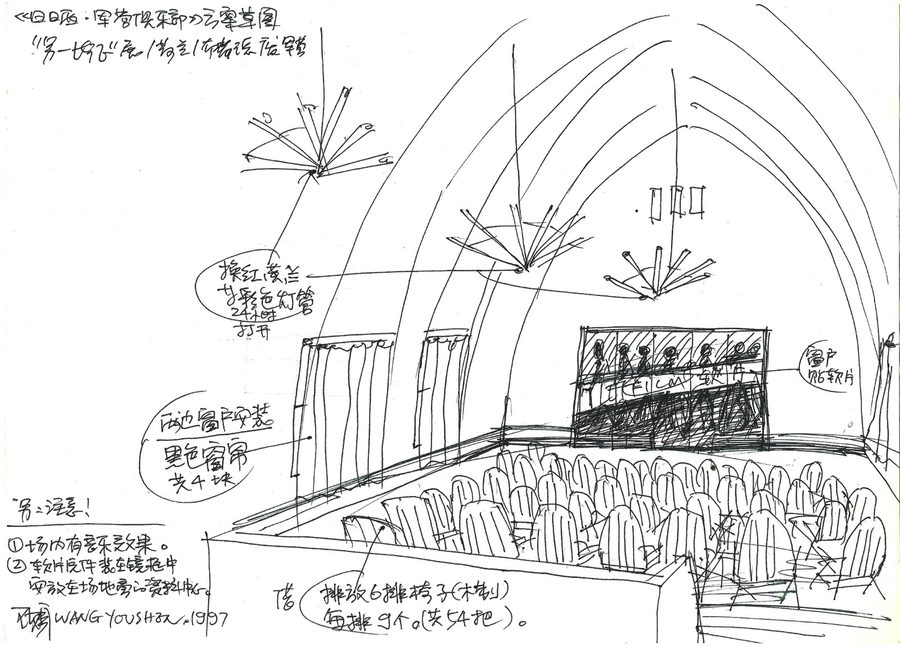
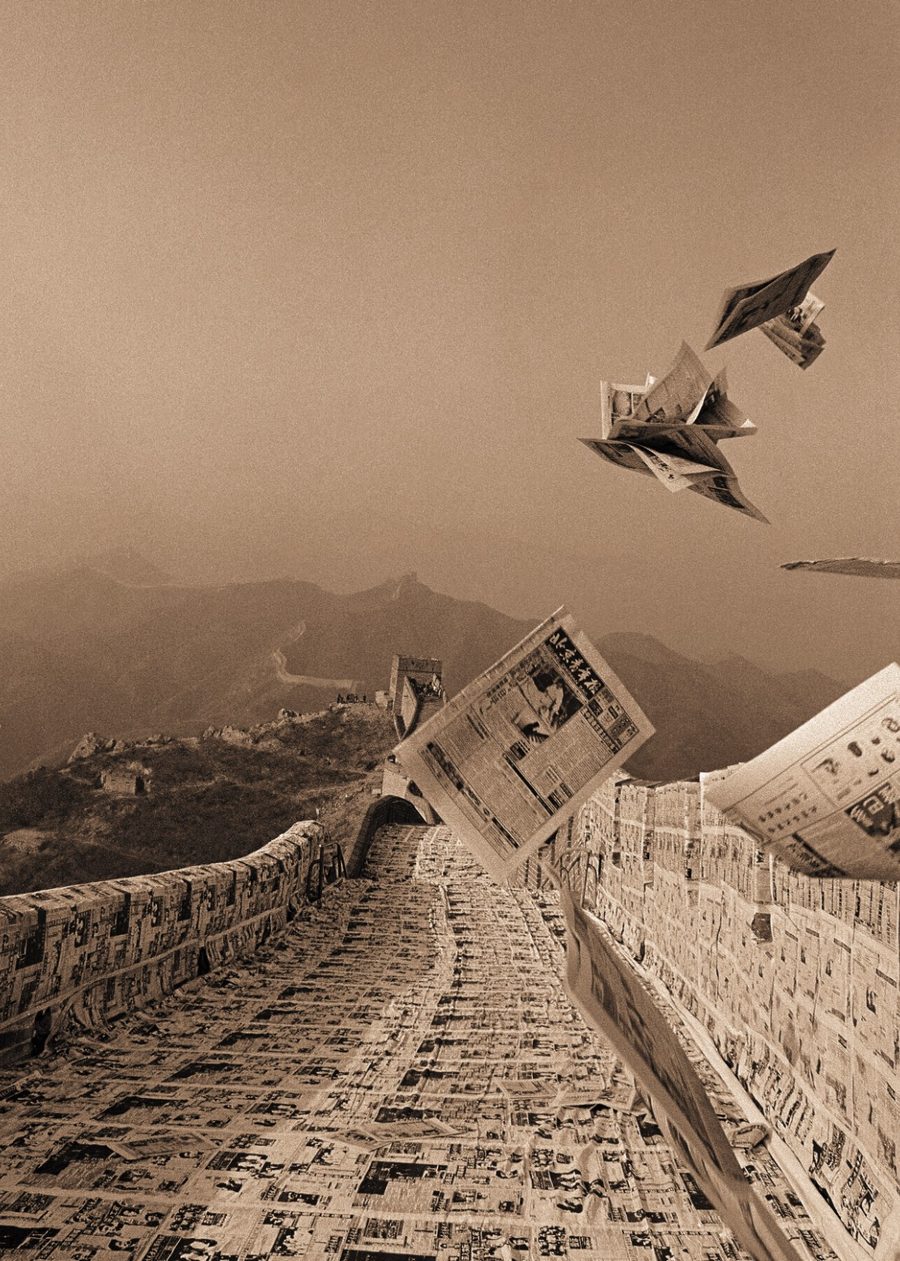
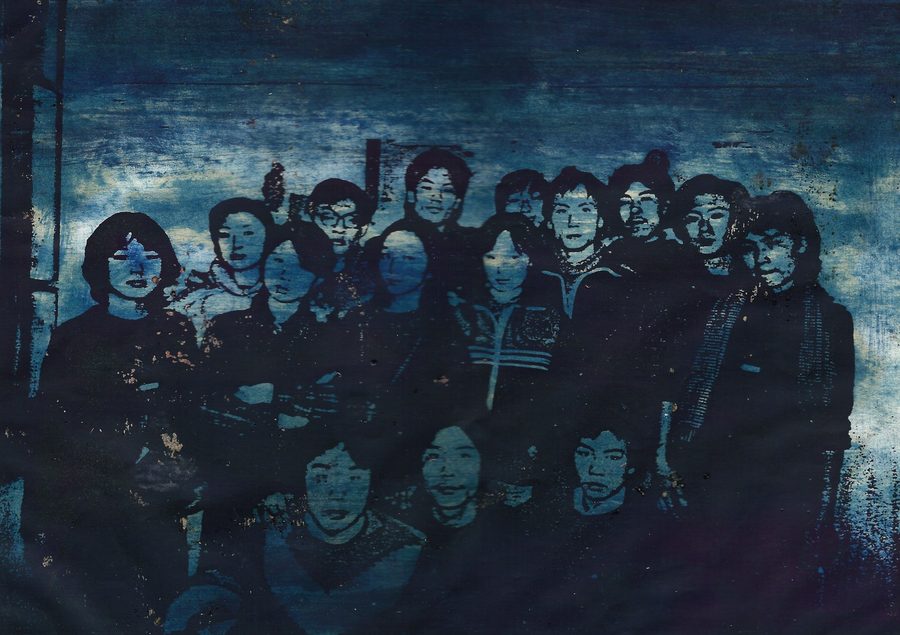
The newspaper as material and medium: texts from the press washed, painted over and rearranged.
- "Washing" (1990s) — newspaper pages put through the laundry: text as something that can be washed away.
- Newspaper installations — spreads and pages of the press as the building material of an exhibition.
- Work as art editor of the Beijing Youth Daily — being inside the media as part of an artistic practice.
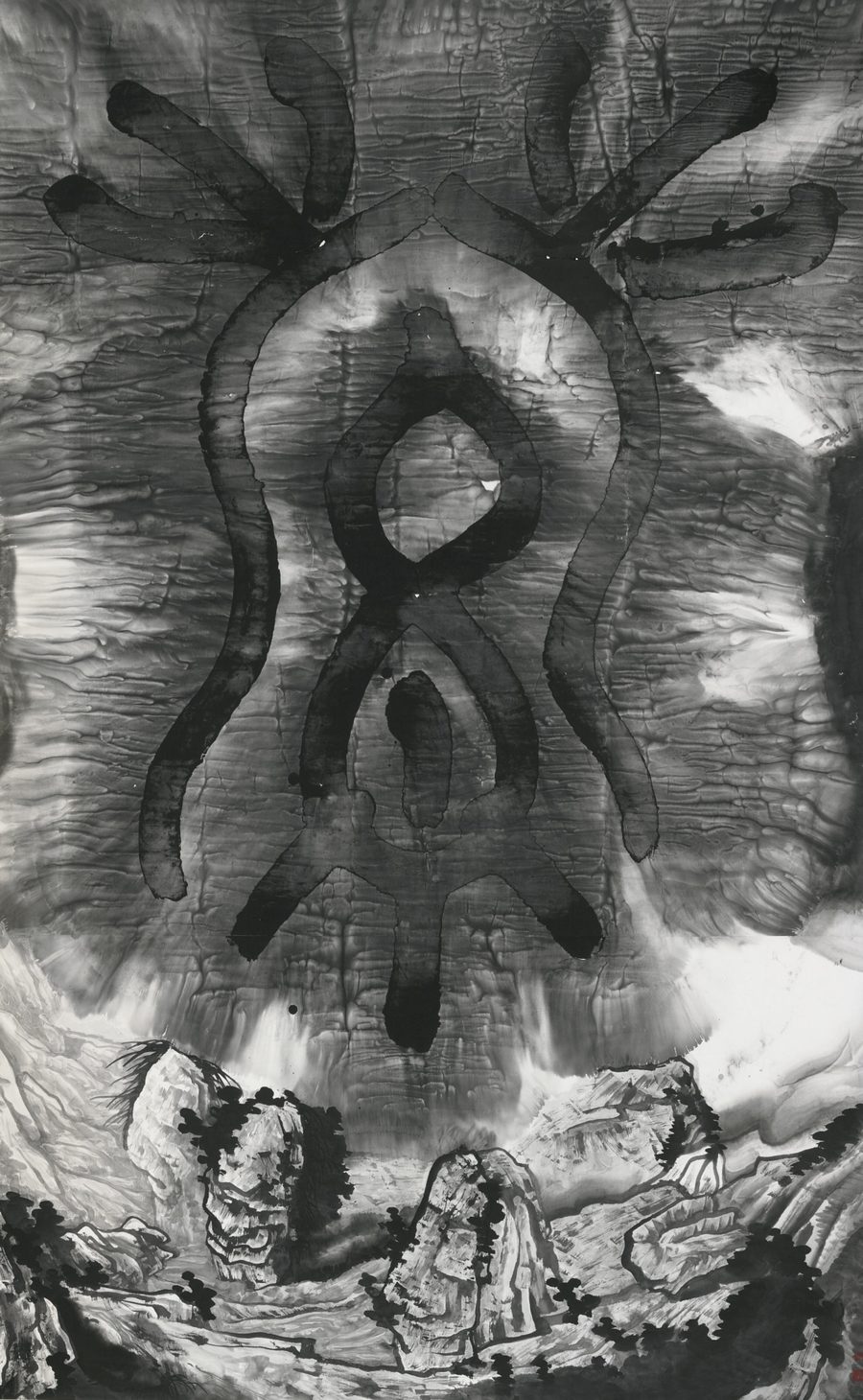
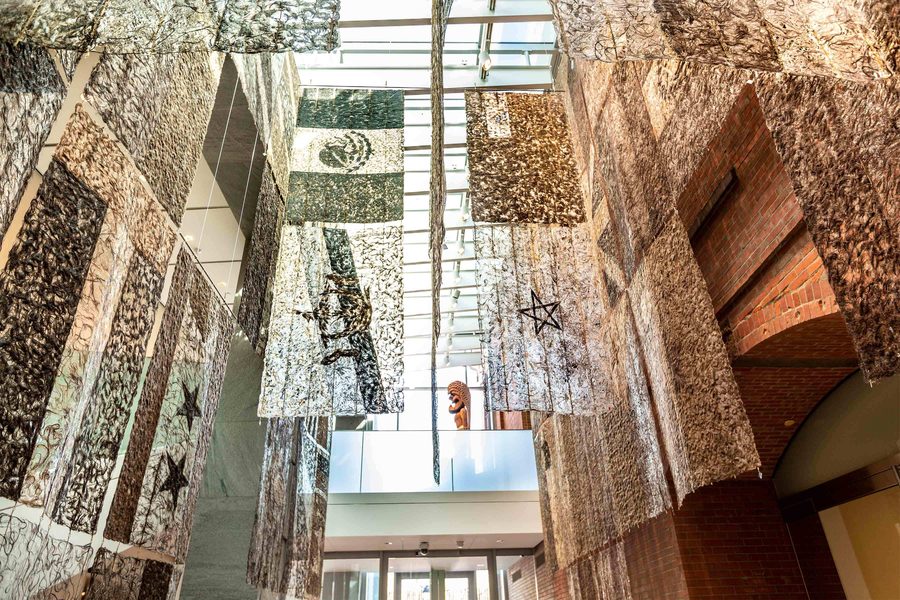
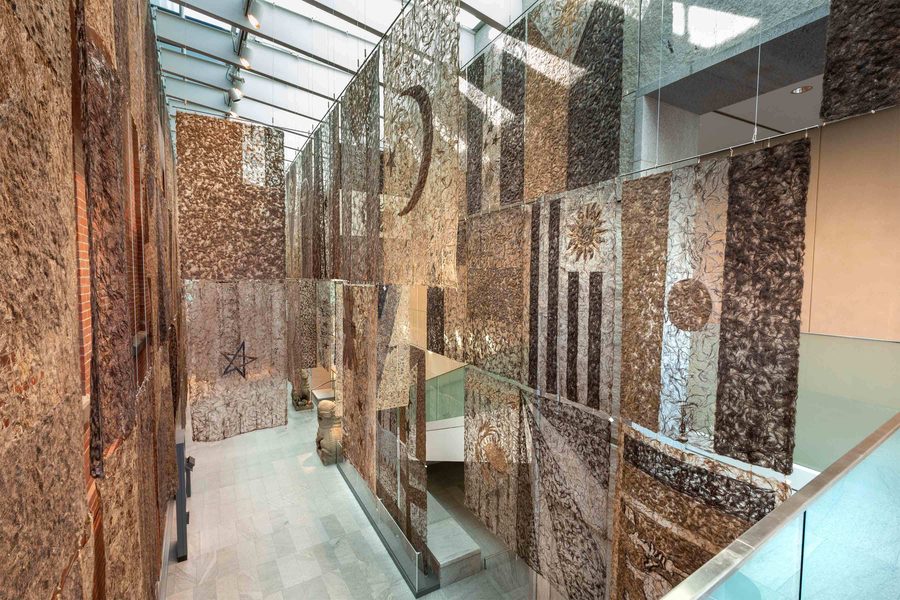
8. Gu Wenda — 谷文达 (b. 1955, Shanghai; working in the USA since 1987)
Graduated from: Shanghai School of Decorative and Applied Arts; Zhejiang Academy of Arts (now China Academy of Art), 1976; 1981
A deconstruction of language: pseudo-characters, hair and the reverse translation of the Chinese classics.
- "Myth of Lost Dynasties" (from the 1980s) — signs that resemble Chinese characters but are stripped of meaning.
- "United Nations" (from 1993) — installations made of human hair collected in different countries.
- "Forest of Stone Steles" — classical texts translated into English and returned to Chinese through calligraphy.
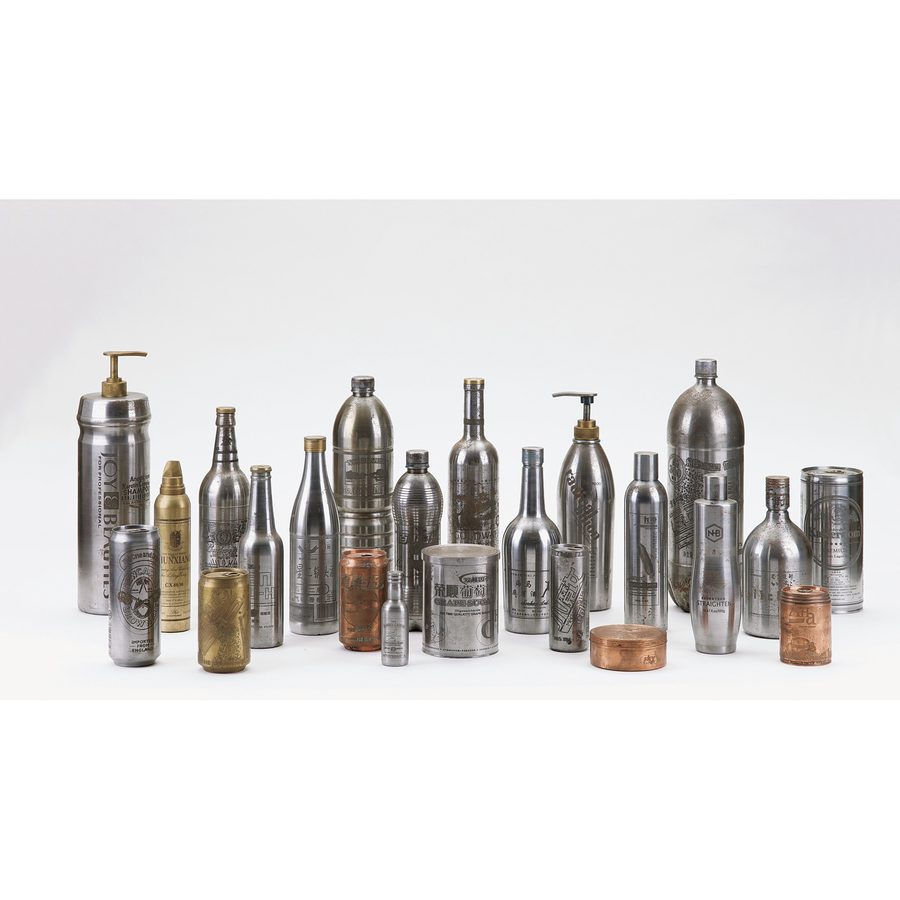
9. Zheng Guogu — 郑国谷 (b. 1970, Yangjiang (Guangdong))
Graduated from: Guangzhou Academy of Fine Arts, 1992
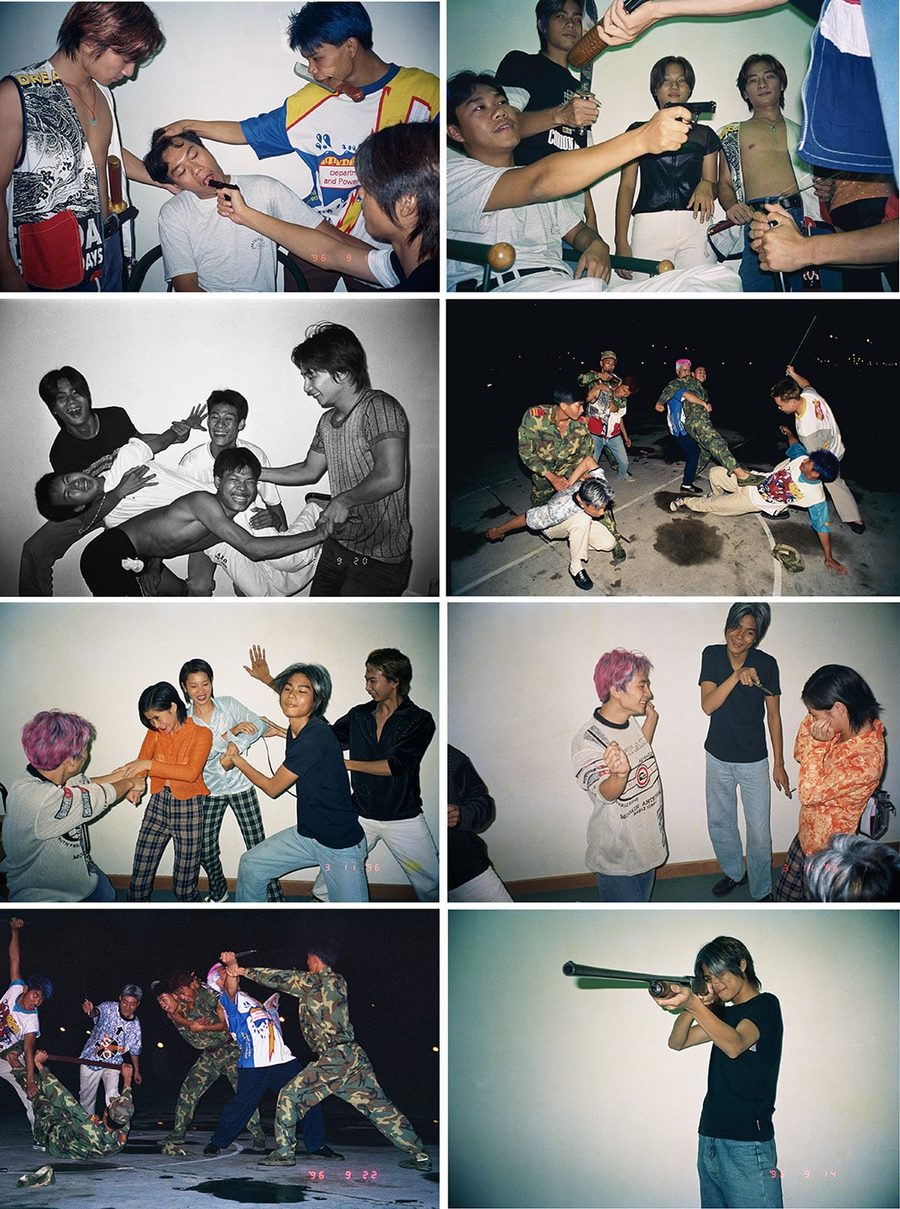
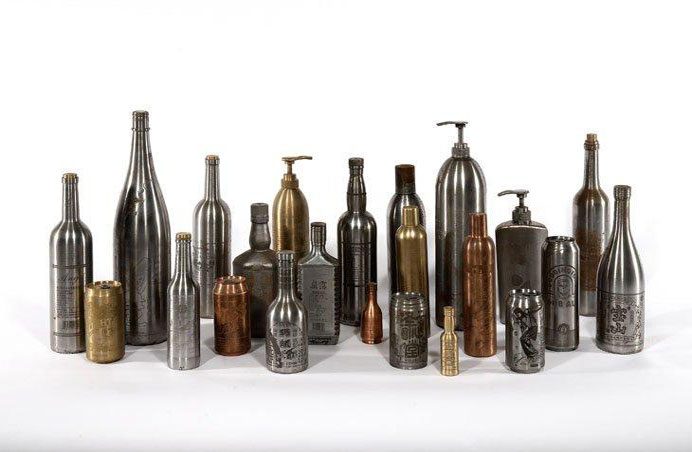
Life as a continuous project: a house-museum, a garden and collective actions in a provincial town.
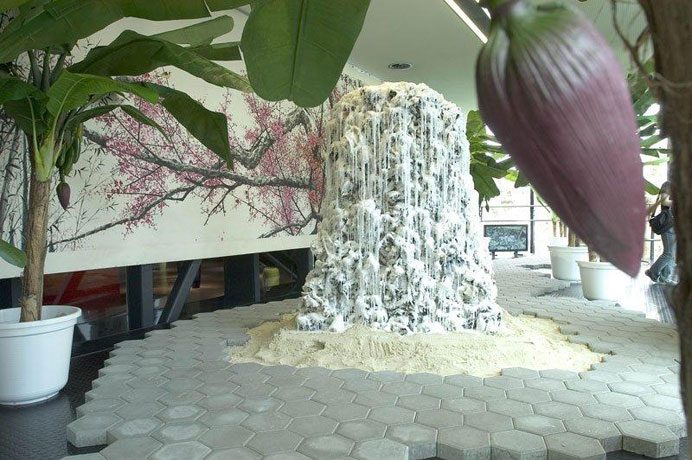
- "Liao Personal Garden" (2000s — ) — years of building a garden as an artistic project without end.
- "My Home Is Your Museum" — the artist’s own house, opened as a museum and exhibition venue.
- "Yangjiang Group" (from 2002) — a collective practice involving calligraphy, food and the urban environment.
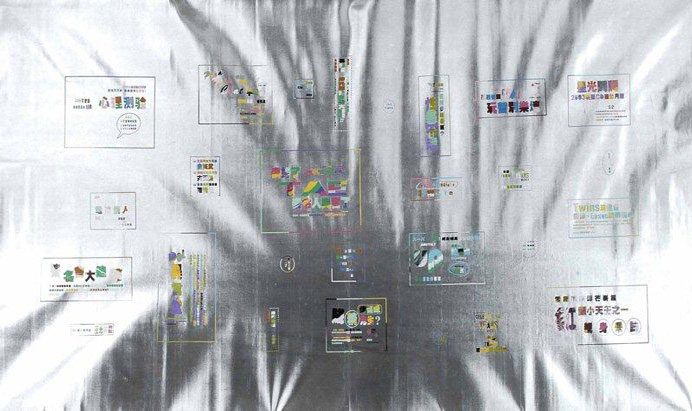
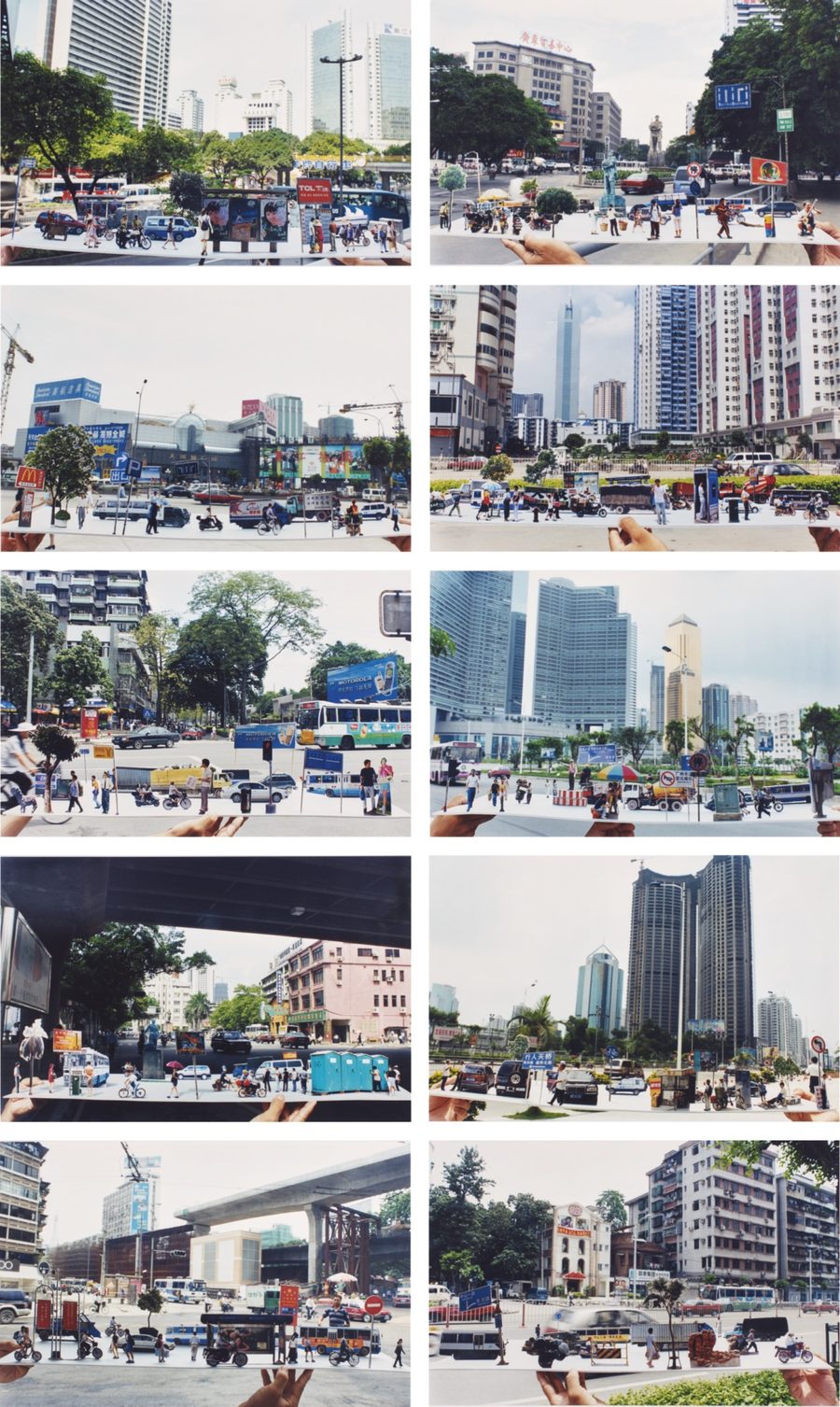
10. Chen Shaoxiong — 陈劭雄 (1962, Shantou — 2016, Beijing)
Graduated from: Guangzhou Academy of Arts, 1984
The city as a document: ink, tablet, newspaper and video within a single practice in southern China.
- "Big Tail Elephants" (大尾象, from 1990) — one of the first collective groups in southern China to work directly with the city.
- "Ink City" (2013) — views of cities drawn on a tablet at the moment of their transformation.
- Ink and media ("Ink. History. Media") — series in which calligraphy coexists with the newspaper and video.