survey_25 — the art press of China
1. Meishu — 美术 (Beijing, 1950 / 1954)
China's oldest professional art magazine and the print organ of the China Artists Association: since the 1950s it has set the official language of art.
- History— its predecessor Renmin Meishu (人民美术) appeared in February 1950; since 1954 the magazine has been published under its present name, at first monthly, then with interruptions and a resumption in 1976.
- Role today— it remains the main venue of official art criticism: of the names and exhibitions supported by the China Artists Association and state museums.
- Format— full-colour reproductions, exhibition analyses, theoretical articles; in 2026 the magazine brought out its seven hundredth issue.


2. Meishu Guancha (Art Observation) — 美术观察 (Beijing, 1981 / 1995)
An academic journal of the Chinese National Academy of Arts: art scholarship and art criticism rather than a chronicle of exhibitions.
- Lineage— it traces its origins to the journal Meishu Shilun (美术史论, 1981), published by the Institute of Art Studies; since 1995 it has appeared under its present name.
- Profile— articles on art history, theory and art education; an essential source for researchers of twentieth-century Chinese painting.
- Stance— the editorial formula "to look at art through the eyes of an observer, and at the world through the eyes of an artist".
Sources: Chinese National Academy of Arts — about the magazine · research library catalogues
3. Huakan (Pictorial Review) [Art Monthly] — 画刊 (Nanjing, 1974 / 2003)
A magazine that travelled the road from a mass-market album of reproductions to one of the most visible venues of Chinese art criticism.
- Change of name— from 1974 it was published as Jiangsu Huakan (江苏画刊), and in 2003 it received the short name Huakan.
- The turn to criticism— in 1985 the magazine gave up the role of a popular album and moved on to analytical writing about contemporary art.
- Publisher— the Nanjing fine arts publishing house Phoenix, Jiangsu province.
Sources: Jiangsu Phoenix Fine Arts Publishing House · Interview with the editor on the magazine's reform
4. Yishu Dangdai (Art Today) [ArtChina] — 艺术当代 (Shanghai, 2001)
A Shanghai magazine about contemporary art — from the analysis of individual works to a discussion of the art system.
- Publisher— the Shanghai Shuhua Publishing House (上海书画出版社), a bimonthly.
- Focus— contemporary art in China and the world: individual studies, interviews, theory, reviews of exhibitions.
- Audience— researchers, curators and collectors; the magazine rests on authored texts rather than on a news feed.
Sources: Shanghai Shuhua Publishing House · a periodicals catalogue
5. Hi Art — Hi艺术 (Beijing, 2006)
The liveliest magazine about China's art market: here the scene is described through galleries, fairs and the fortunes of artists.
- Profile— a monthly about the 当代 art scene: reports from fairs, analyses of gallery programmes, a large number of interviews.
- Online— the site hiart.cn publishes news, podcasts and an archive of issues, having become one of the main industry media.
- Role in the field— it records what academic journals pass by: the artist's relationship with the gallery, the collector and the market.
Sources: hiart.cn — about the magazine · press coverage of China's art media
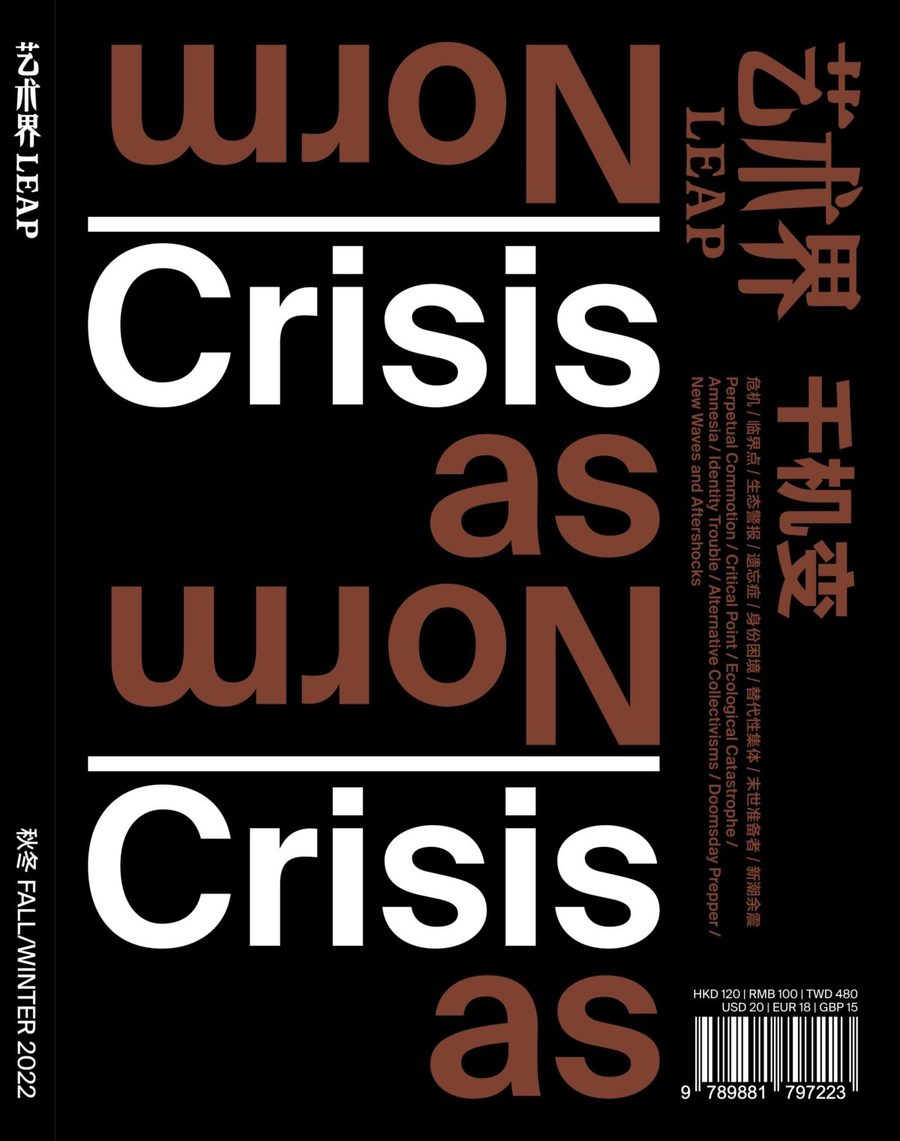
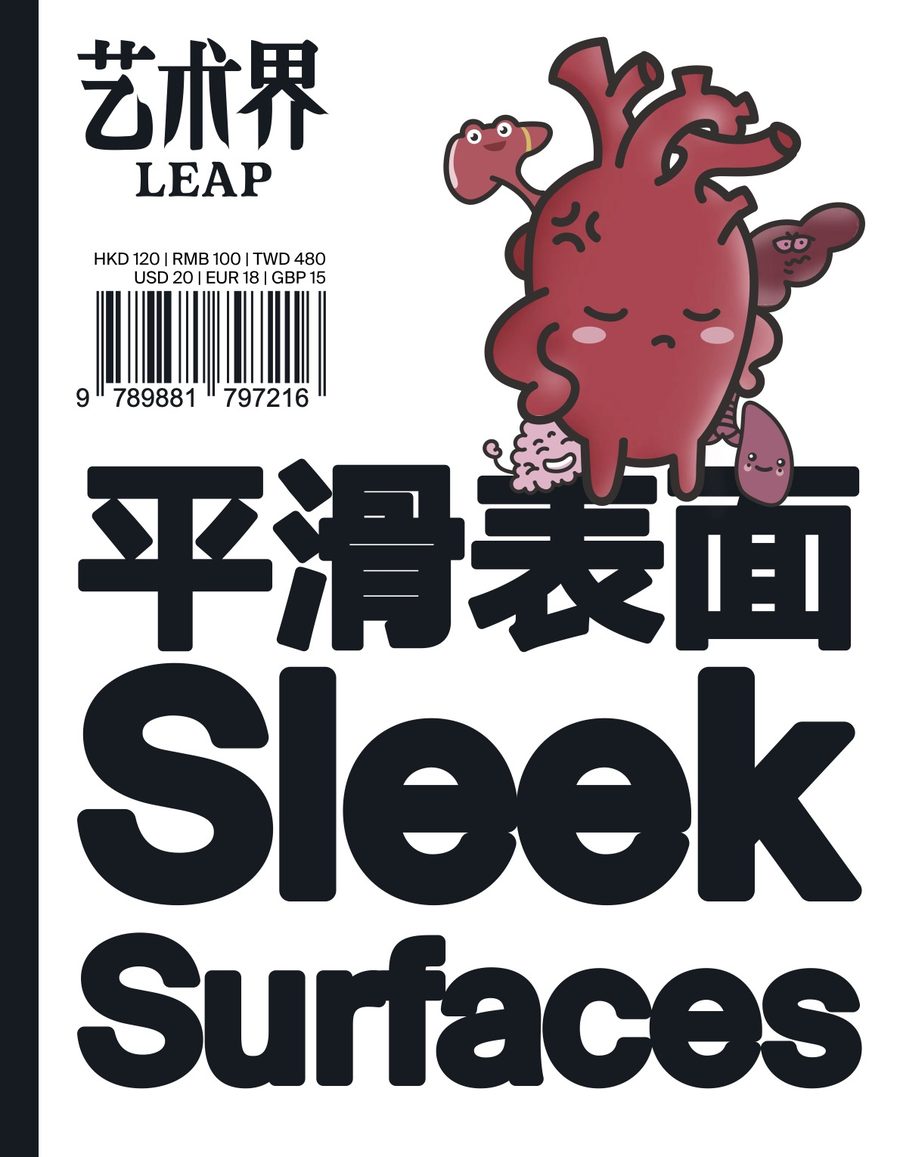
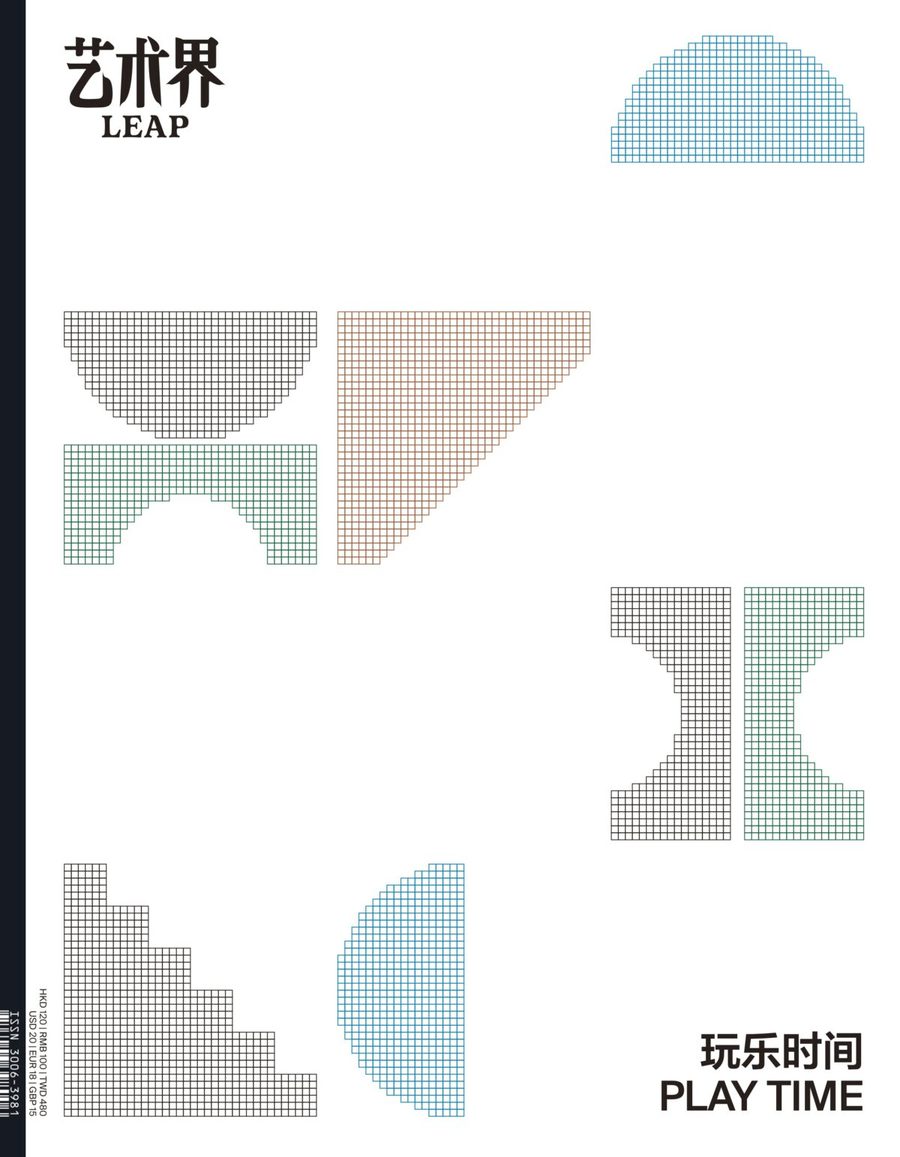
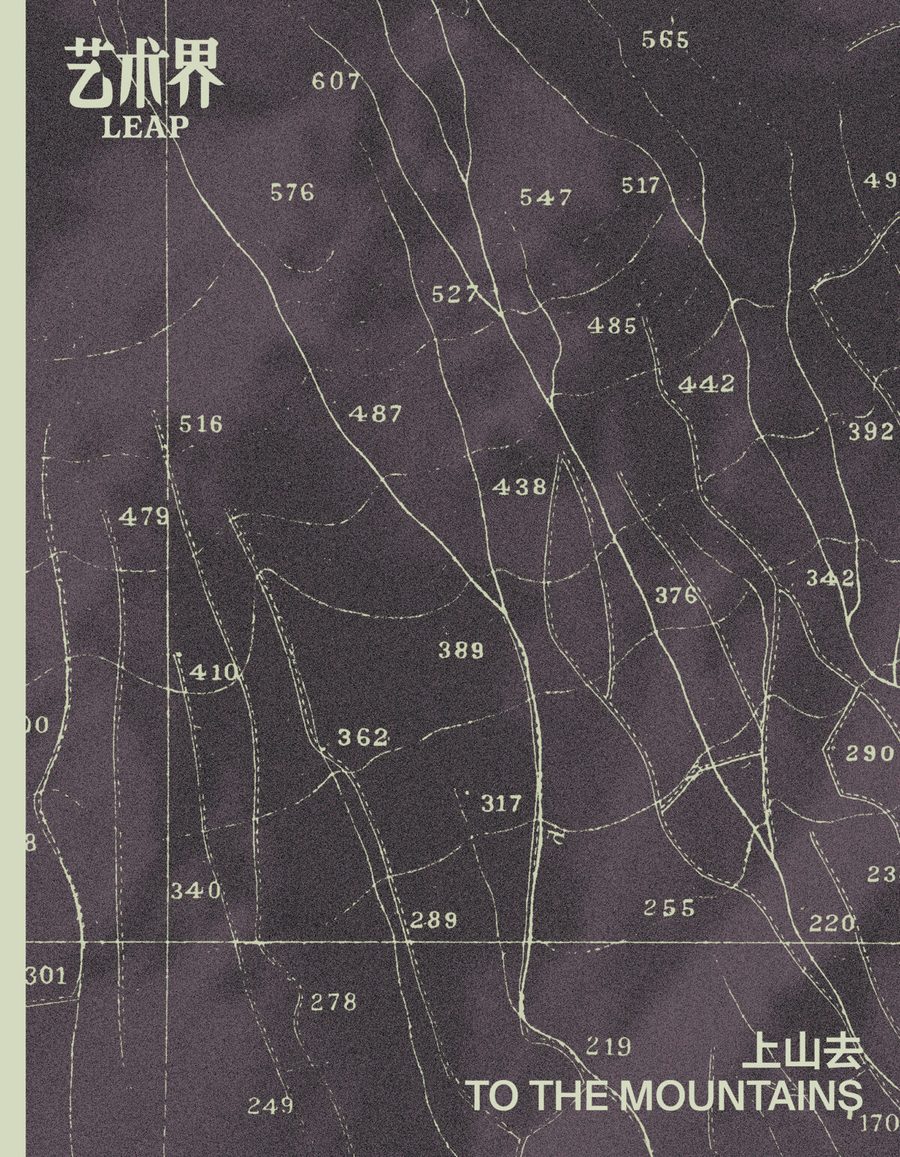
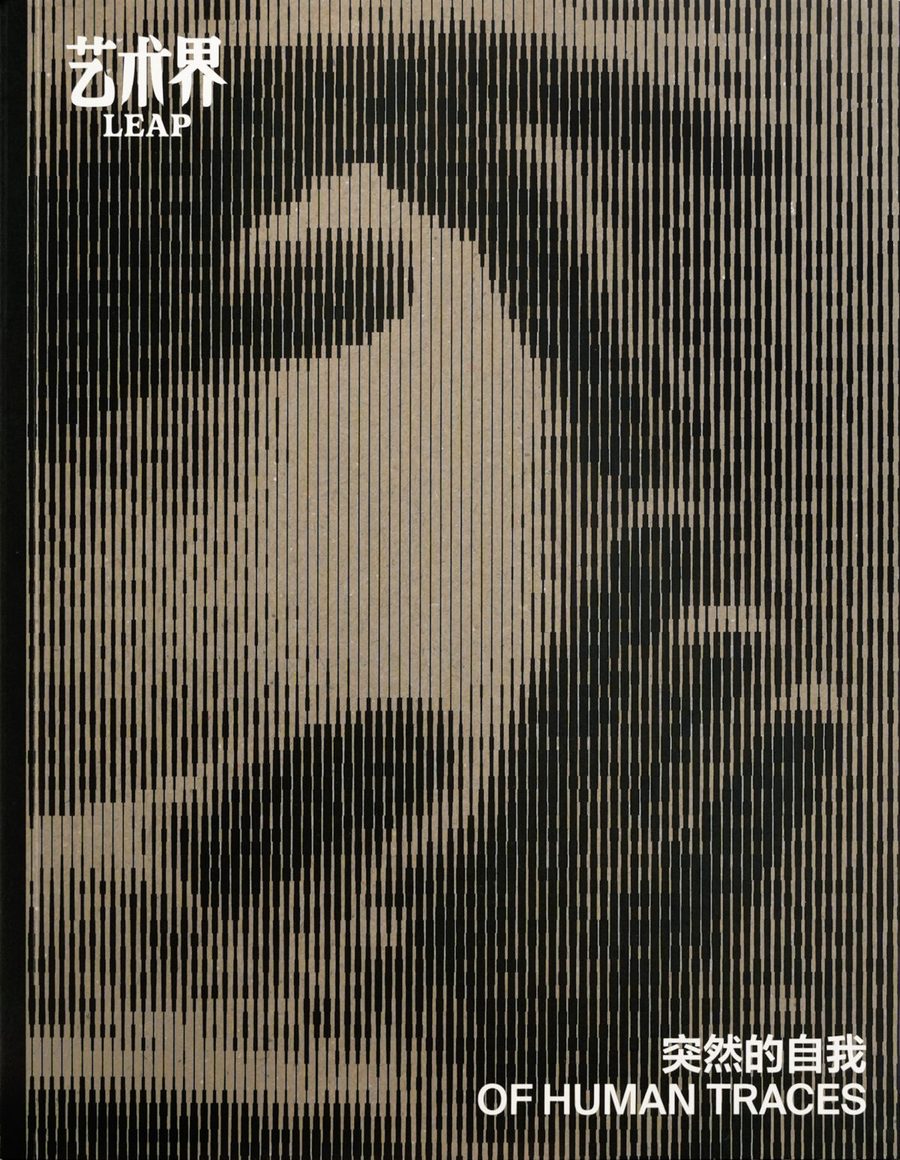
6. Yishujie / LEAP — 艺术界 (Beijing / Shanghai, 2010)
A bilingual magazine about contemporary art in China: the only Chinese publication about 当代 art that appears in two languages for an international audience.
- Bilingualism— the texts are printed in Chinese and in English; the magazine is distributed internationally and addresses both audiences at once.
- Line— contemporary art in China is set within a broad cultural context: criticism, theory, a conversation about taste and its shifts.
- Lineage— the publication grew out of the magazine Yishujie, which had been published since 1996; the bilingual version appeared in 2010.
7. Zhongguo Meishu Bao (China Art Newspaper) — 中国美术报 (Beijing, 2015)
The newspaper of the China National Academy of Painting: art in newspaper format — news, reviews, polemics.
- Launch— the newspaper's launch was announced at a ceremony in the Great Hall of the People in Beijing at the end of 2015.
- Publisher— the China National Academy of Painting (中国国家画院), that is, a state institution.
- Format— newspaper pages about exhibitions, libraries, museums and art education; some issues appear with the support of the ministry of culture.
Sources: China National Academy of Painting · press coverage of the newspaper's launch
8. Shijie Meishu (World Art) — 世界美术 (Beijing, 1979)
The magazine through which Chinese artists of the 1980s became acquainted with Western modernism — above all through translations.
- Publisher— the Central Academy of Fine Arts, quarterly.
- What it published— translated articles about Klimt, Schiele, Miró, Pollock, Balthus and Freud: for the Chinese reader of that time this was the first systematic access to modern Western art.
- Traces— researchers acknowledge the magazine's influence on the language of Chinese painting of the 1980s as direct.
Sources: Central Academy of Fine Arts — about the magazine · an analysis of the magazine's history (art archive)
9. Dandai Meishujia (Contemporary Artists) — 当代美术家 (Chongqing, 1984)
A journal of the Sichuan Fine Arts Institute: an academic periodical that grew up at the centre of the Chongqing school of art.
- Publisher— the Sichuan Fine Arts Institute (四川美术学院); the publication appears in Chongqing.
- Profile— scholarly articles, an archive of documents, conversations with artists; it combines academic rigour with reportage.
- Context— it is included in national databases of scholarly periodicals and is indexed as an academic journal.
Sources: Sichuan Fine Arts Institute — the magazine's editorial office · scholarly periodicals catalogues
10. Artron — 雅昌艺术网 (Beijing / Shenzhen, 2000)
The main industry portal about art in China: a genuine media centre with an image archive and exhibition data grew out of a printing house.
- Beginnings— the portal opened in October 2000 alongside the Yachang printing company, which printed art catalogues and albums.
- What it does— news and reportage, a database of auction results and exhibitions, digitisation of archives for museums and artists.
- Place in the scene— for the Chinese art press it is both a competitor and the main source of ready-made material: print publications cite it.
Sources: artron.net · press coverage of the Yachang company
← cybermodern() * Illustrations belong to their rights holders and are published for informational purposes. For copyright questions or comments on the text copyright@ctrlm.com